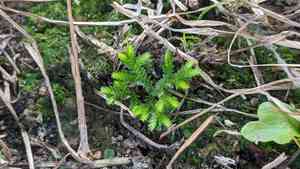
Selaginella ciliaris (Selaginella ciliaris)
Also known as: Maidenhair, Spike Moss
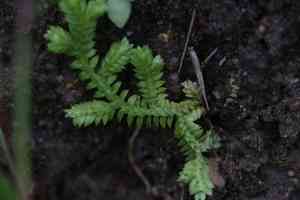
Selaginella ciliaris is characterized by its feathery, delicate foliage that typically creates a dense mat on the forest floor. It flourishes in humid, tropical settings, thriving beneath the shaded canopy. The ciliated leaves help capture moisture and prevent soil erosion, contributing to its distinctive presence in the undergrowth. This evergreen plant's hardy nature and lush green appearance set it apart in its natural habitat.
In This Article
Attributes of Selaginella ciliaris
Lifespan
Perennial
Plant Type
Herb
Plant Height
2-10 cm
Spread
Variable, often 20-30 cm spread
Leaf Color
Green
Flower Size
Not applicable (non-flowering)
Flower Color
Not applicable (non-flowering)
Images of Selaginella ciliaris
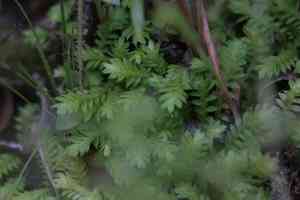
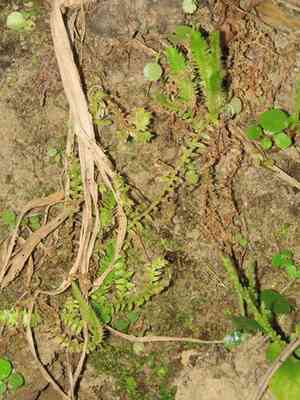
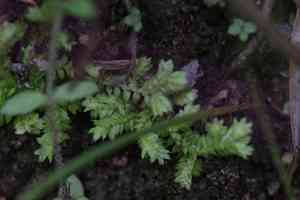
Quickly Identify Selaginella ciliaris
1
Selaginella ciliaris can be identified by its fine, hair-like leaves which are typically green and form a dense mat. Its stems are prostrate and rooting at intervals.
Scientific Classification of Selaginella ciliaris
Phylum
Vascular plants
Class
Club mosses
Order
Selaginellales
Family
Spike-moss
Genus
Spikemosses
Species
Selaginella ciliaris
Planting and Growing of Selaginella ciliaris
Care Difficulty
Easy
Watering Schedule
Every 2 days
Sunlight Requirements
Partial sun
Sunshine Duration
4-6 hours
Ideal Temperature
68-77℉
Soil Type
Potting Mix, Peat Mix
Soil pH
6.5-7.5
Fertilizer Type
Balanced
Pruning Season
Spring, Summer
Pruning Area
Branches, Leaves
Pruning Frequency
2 times a year
Repotting Season
Spring
Pot Type
Plastic, Ceramic
 How to Water Selaginella ciliaris?
For Selaginella ciliaris, it is essential to maintain the right moisture level. Water until the soil feels thoroughly damp, approximately 100 ml per session. This ensures the plant's shallow root system stays adequately hydrated without becoming waterlogged.
What are the symptoms of an underwatered Selaginella ciliaris?
›
What should I do if my Selaginella ciliaris is not getting enough water?
›
What are the symptoms of an overwatered Selaginella ciliaris?
›
How to save an overwatered Selaginella ciliaris?
›
 What Are the Sunlight Requirements for Selaginella ciliaris?
Selaginella ciliaris prefers partial sunlight to full shade. In ideal lighting conditions, it grows more vibrantly with stronger coloration and improved health, replicating the delicate balance of its natural habitat.
What are the optimal light conditions?
›
How can I achieve ideal lighting for Selaginella ciliaris?
›
Benefits of achieving ideal lighting conditions?
›
 What Is the Ideal Temperature Range for Selaginella ciliaris?
The ideal temperature range for Selaginella ciliaris is between 68°F and 77°F. This range is optimal for promoting healthy growth and vibrant foliage, supporting the biochemical processes essential for the plant's metabolism. Temperatures within this range allow for effective photosynthesis and optimal enzyme activity.
 What Soil is Best for Selaginella ciliaris?
Selaginella ciliaris thrives in well-drained soil, which prevents waterlogging and root rot. Good drainage allows roots to breathe, fostering healthy growth and reducing plant stress. This condition ensures that the plant remains vibrant and robust. This plant prefers soil rich in organic matter, which provides essential nutrients for optimal growth. Fertile soil enhances foliage development and helps the plant maintain its lush green appearance. Adding compost can improve nutrient availability. Soil for Selaginella ciliaris should retain moderate moisture without becoming soggy. Maintaining the right moisture balance supports healthy plant metabolism and prevents desiccation. A layer of mulch can help retain this necessary moisture.
 How to Fertilize Selaginella ciliaris?
For Selaginella ciliaris, when applying liquid fertilizer, use a diluted solution at half the strength recommended on the label. Typically, a small amount like one teaspoon per gallon of water suffices. This ensures the plant receives nutrients without the risk of root burn.
 How to Prune Selaginella ciliaris?
Begin by identifying any dead or diseased stems or leaves. These should be removed first to encourage healthy growth and prevent the disease from spreading throughout the plant. Trim the plant to maintain its shape and encourage bushiness. Use small, measured cuts throughout the plant, focusing on areas that look overgrown or unbalanced. Make cuts just above a cluster of healthy leaves or stems to stimulate new growth. This will promote a fuller appearance and more robust branching.
More About Pruning Techniques→
 How to Propagate Selaginella ciliaris plant?
1
Choose vigorous and disease-free Selaginella ciliaris plants to ensure optimal health and growth potential for the new cuttings or divisions.
2
Cut a healthy segment of the plant, ideally 4 to 6 inches long, using sterilized shears. Remove lower leaves to facilitate root growth.
3
Place the cut segment into a sterile, moist growing medium. Ensure it is positioned firmly to prevent it from falling over and hindering root development.
 How to Repot Selaginella ciliaris plant?
1
Look for signs such as roots growing out of drainage holes, slow growth, or water sitting on the surface for too long. These indicate it's time to provide Selaginella ciliaris with new space and nutrients.
2
Select a pot slightly larger than the current one, with good drainage. A larger pot prevents waterlogging and root rot by allowing excess water to drain away efficiently, keeping your plant healthy.
3
Opt for a light, peat-based mix that retains moisture yet drains well. Such soil mimics its natural habitat, promoting healthy growth by balancing moisture retention and preventing root rot.



