How to Prune Mexican skullcap?
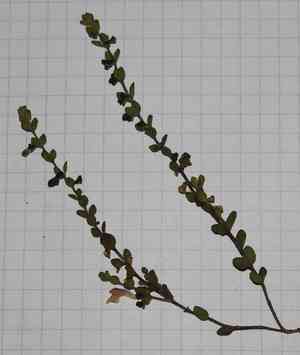
Mexican skullcap features appealing blue blossoms and a compact, shrub-like form. The ideal periods for trimming are late winter and early spring. Cut away any lifeless or compromised stalks to stimulate fresh development and preserve its structure. Consistent trimming fosters thicker foliage and more prolific flowering cycles. Utilize sanitized, sharp implements to avert illness and effectively control its expansion. Trimming additionally facilitates improved air movement and sunlight exposure, boosting the plant's general well-being and robustness.
What Are the Benefits of Pruning Mexican Skullcap?
What Are the Benefits of Pruning Mexican Skullcap?
Trimming mexican skullcap encourages robust development and helps maintain its form. It fosters healthier growth by eliminating dead or crowded stems, lessens disease risk, and boosts blooming, enhancing the plant's overall beauty and vigor.
What Is the Best Time for Pruning Mexican Skullcap?
What Is the Best Time for Pruning Mexican Skullcap?
Trimming mexican skullcap in early spring and late winter aids in clearing away any dead or damaged branches, enabling the plant to direct its energy toward new growth as the season advances. This timing also ensures pruning doesn't disrupt major flowering or fruiting periods, promoting healthier blooms and overall plant vitality.
What Tools Do I Need to Prune Mexican Skullcap?
Hand Pruners
Crucial for accurate cuts. Mexican skullcap has small, delicate stems that benefit from the precision and clean cuts provided by hand pruners.
Pruning Shears
Useful for slightly thicker stems. Mexican skullcap can grow denser, so pruning shears help manage the bushiness efficiently.
Bypass Pruners
Ideal for making clean cuts on live, growing stems. Bypass pruners are necessary for maintaining plant health during pruning.
Sterilizing Solution
Important for preventing disease spread. Always sterilize tools before and after use on mexican skullcap to ensure plant health.
How to Prune Mexican Skullcap
Inspect
Carefully examine mexican skullcap for any indications of illness or wilting. Focus on leaves that show discoloration, spots, or are visibly droopy.
Sanitize
Disinfect your pruning tools with a solution of one part bleach to nine parts water to prevent the spread of disease.
Remove diseased
Remove diseased leaves from mexican skullcap by cutting them off at their base where they meet the stem. Use sharp, sanitized shears to make a clean cut.
Remove withered
Trim withered leaves by cutting them off at the base. Ensure that no dead material is left hanging on mexican skullcap as it can attract pests.
Dispose
Properly dispose of the removed leaves away from mexican skullcap to prevent any potential spread of disease or pests. Do not compost diseased leaves.
Common Pruning Mistakes with Mexican Skullcap
Improper Technique
Many gardeners tend to use dull or inappropriate tools when pruning mexican skullcap, leading to ragged cuts that can invite disease or pest infestations.
Over-Pruning
Excessive pruning can shock mexican skullcap, causing stress that hinders its growth and flowering. Removing too much foliage at once can be detrimental.
Neglecting Cleanliness
Failing to sterilize pruning tools before and after use can transmit diseases to mexican skullcap, adversely affecting plant health.
Ignoring Plantâs Growth Habit
Pruning without understanding mexican skullcap's natural growth pattern can lead to an unappealing or stunted plant shape.
Common Pruning Tips for Mexican Skullcap
Use Sharp Tools
Always use clean, sharp tools to make precise cuts. This helps prevent damage to the plant and reduces the risk of disease.
Prune Conservatively
Remove no more than one-third of mexican skullcap's foliage at a time. This prevents shock and allows the plant to recover more quickly.
Disinfect Tools
Sterilize your pruning tools with a solution of one part bleach to nine parts water before each use to avoid spreading diseases.
Understand Growth Patterns
Familiarize yourself with mexican skullcap's natural growth habit and prune accordingly to maintain its structure while promoting healthy growth and flowering.
Target Dead or Diseased Branches
Focus on removing any dead, diseased, or damaged branches first. This practice keeps the plant healthy and prevents the spread of disease.



