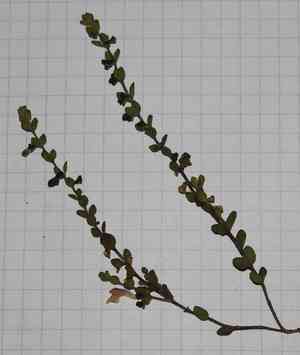
Mexican skullcap (Scutellaria potosina)
Also known as: Scutellaria, Skullcap
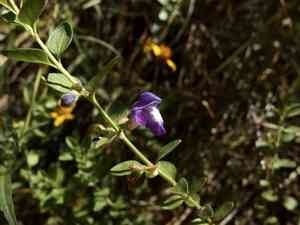
Mexican skullcap (*Scutellaria mexicana*) is a perennial herb characterized by its square stems, a signature trait of the mint family (Lamiaceae). It features oppositely arranged leaves that may have slightly scalloped edges. The plant is particularly noted for its bright blue to violet flowers, which appear in small, helmet-like clusters and attract various pollinators. Native to the arid regions of the southwestern United States and Mexico, especially the Potosi area, it flourishes in rocky or sandy soils and prefers full sun.
In This Article
Attributes of Mexican skullcap
Lifespan
Perennial
Plant Type
Herb
Plant Height
30-60 cm
Spread
20-30 cm
Leaf Color
Green
Flower Size
1-2 cm
Flower Color
Blue, Purple
Images of Mexican skullcap
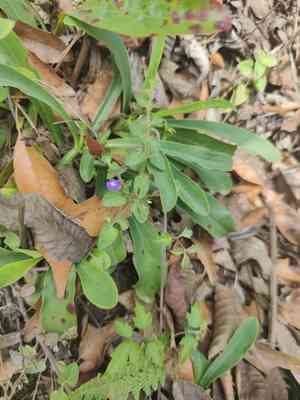
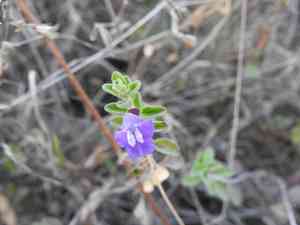
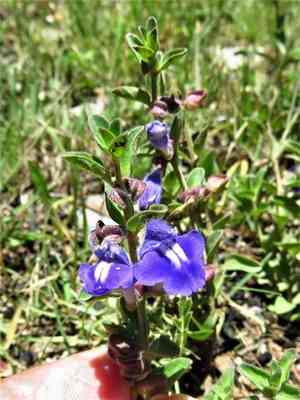
Quickly Identify Mexican skullcap
1
Scutellaria potosina can be identified by its small, tubular flowers that generally appear in shades of blue or purple. The plant typically has square stems and opposite leaves, a characteristic feature of the mint family. The flowers have a distinctive helmet-like shape, which is a trait of the Scutellaria genus.
Scientific Classification of Mexican skullcap
Phylum
Vascular plants
Class
Dicotyledons
Order
Lamiales
Family
Mint
Genus
Skullcap
Species
Mexican skullcap
Planting and Growing of Mexican skullcap
Care Difficulty
Hard
Watering Schedule
Every 2 days
Sunlight Requirements
Partial sun
Sunshine Duration
4-8 hours
Ideal Temperature
60-75℉
Soil Type
Potting Mix, Peat Mix
Soil pH
6.5-7.5
Fertilizer Type
Balanced
Pruning Season
Spring, Summer
Pruning Area
Branches, Leaves
Pruning Frequency
2 times a year
Repotting Season
Spring
Pot Type
Plastic, Ceramic
 How to Water Mexican skullcap?
For Scutellaria potosina, provide around 250ml of water per session. This amount is designed to thoroughly moisten the soil without causing waterlogging. It's essential that the water reaches the roots to encourage healthy growth, but ensure the soil isn't left soggy.
What are the symptoms of an underwatered Mexican skullcap?
›
What should I do if my Mexican skullcap is not getting enough water?
›
What are the symptoms of an overwatered Mexican skullcap?
›
How to save an overwatered Mexican skullcap?
›
 What Are the Sunlight Requirements for Mexican skullcap?
Partial to full sun exposure benefits Scutellaria potosina, supporting healthy growth, vibrant flowering, and structural strength, enhancing its ornamental value and ecological resilience.
What is the best light for Scutellaria potosina?
›
How to ensure ideal lighting for Scutellaria potosina?
›
Benefits of ideal lighting for Scutellaria potosina
›
 What Is the Ideal Temperature Range for Mexican skullcap?
The ideal temperature range for Scutellaria potosina lies between 60°F and 75°F. This range supports optimal growth and flowering, ensuring the plant maintains its vigor and develops its unique foliage. Maintaining consistent temperatures within this range is crucial to avoid stressing the plant.
 What Soil is Best for Mexican skullcap?
Scutellaria potosina thrives in nutrient-rich loam, which provides a balanced supply of essential minerals and nutrients. Loam aids in retaining moisture while allowing proper drainage, making it ideal for consistent plant growth. This plant prefers sandy loam as it ensures good drainage and prevents root rot. The sandy texture allows water to percolate efficiently, ensuring that the roots have access to oxygen even after heavy rainfall or watering. Calcareous soils, rich in calcium carbonate, help Scutellaria potosina develop strong cell walls, enhancing its overall health and resistance to pests. The alkaline nature of this soil supports robust plant structure.
 How to Fertilize Mexican skullcap?
For optimal growth, Scutellaria potosina requires a balanced application of fertilizer, where the liquid fertilizer should be diluted to half the recommended strength. Apply about 1/4 cup of liquid fertilizer per plant. Slow-release granules should be used sparingly, with approximately 2 tablespoons per plant, evenly distributed.
 How to Prune Mexican skullcap?
Begin by removing any dead or damaged stems and leaves to promote new growth. This encourages better air circulation and light penetration within the plant structure. Focus on maintaining a balanced shape that complements the plant's natural form. Removing excessive growth can improve appearance and prevent overcrowding. Trim back one-third of the plant’s oldest stems to encourage bushier growth. This method helps rejuvenate the plant and boosts its overall blooming potential.
More About Pruning Techniques→
 How to Propagate Mexican skullcap plant?
1
To start with seed propagation, prepare the seeds by soaking them in warm water for 24 hours. This helps to soften the seed coat, which accelerates germination by allowing the seed to absorb water more effectively.
2
For cutting propagation, choose healthy shoots from the parent plant. Cut 4-6 inches below a node with sterilized pruning shears. Remove excess leaves, keeping a few at the top, to reduce transpiration and encourage root growth.
3
Ensure the plant is well hydrated before division. Carefully dig around the plant and lift it from the soil. Gently separate the root clumps with your hands ensuring each division has a portion of roots intact to promote successful establishment.
 How to Repot Mexican skullcap plant?
1
Scutellaria potosina should be repotted when you notice the roots beginning to circle the bottom of the pot or protrude from the drainage holes. Another signal is when the plant growth has slowed despite proper care. Spring or autumn are ideal times to repot, as the plant is in its active growth phase, allowing it to adjust to its new environment more effectively.
2
Select a pot that is one size larger than the current one, with sufficient drainage holes to prevent waterlogging, which can lead to root rot. A breathable material like terracotta is ideal. The right-sized pot provides enough space for root growth, enhances drainage, and reduces the risk of overwatering.
3
The perfect soil for Scutellaria potosina is a well-drained, sandy loam mix. This type of soil mimics its natural environment, ensuring that excess moisture drains efficiently, preventing root rot and encouraging healthy root development. A well-drained soil also allows for optimal air circulation within the root zone, promoting vigorous growth.



