How to Prune Black salsify?
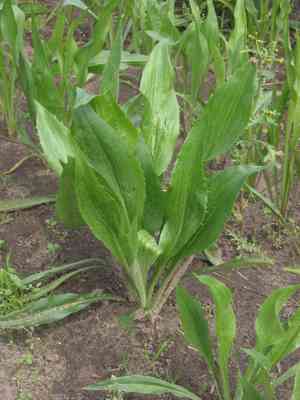
Scorzonera hispanica, characterized by its elongated, slender leaves and palatable roots, flourishes with moderate trimming. To foster vigorous development, eliminate discolored or compromised leaves during the Spring and Summer periods. Undertaking this maintenance during these months enables scorzonera hispanica to channel its resources into cultivating strong roots and abundant foliage. Consistent cutting prevents excessive density and improves air movement, thereby reducing the likelihood of ailments and guaranteeing peak plant health. This technique is beneficial for cultivators, preserving both the plant's visual appeal and its yield.
What Are the Benefits of Pruning Black Salsify?
What Are the Benefits of Pruning Black Salsify?
Trimming black salsify promotes more robust development and helps maintain its desired form. Eliminating older, unproductive roots encourages the growth of tender, flavorful roots ready for harvest.
What Is the Best Time for Pruning Black Salsify?
What Is the Best Time for Pruning Black Salsify?
Pruning black salsify during Spring and Summer is ideal as these periods align with the plant's active growth phase, fostering strong health and vigorous development. In Spring, pruning aids in stimulating new growth after winter dormancy, allowing gardeners to remove any dead or damaged parts that may have resulted from cold weather. This timing ensures the plant's energy is directed towards developing strong new shoots. Summer pruning, especially after the initial flowering and fruiting period, helps maintain the shape and size of black salsify, improving air circulation within the plant and reducing disease risk. Additionally, it assists in managing the plant's energy distribution, focusing on the development of the remaining shoots and roots, which is vital for the next growth cycle.
What Tools Do I Need to Prune Black Salsify?
By-pass Pruners
These pruners operate with a scissor-like motion, perfect for making clean and precise cuts. This is crucial for black salsify, which requires careful trimming to avoid damaging the plants and to preserve their shape and health.
Snips
Smaller and more accurate than pruners, snips are excellent for thinning and trimming black salsify's foliage without harming the delicate stems.
Gloves
While not a cutting tool, gloves are essential for protecting hands when pruning black salsify, particularly to prevent any potential irritation from the sap or from handling the plant's rougher sections.
How to Prune Black Salsify
Identify
Examine black salsify thoroughly for diseased and withered leaves, as well as any affected stems. These parts typically appear discolored, wilted, or show signs of fungal infection or pest damage.
Clean
Before beginning to prune, clean and sanitize your pruning tools. This prevents the spread of disease between plants and ensures a clean cut that can heal properly.
Cut
Carefully remove the identified diseased or withered leaves by cutting them at the base where they meet the stem. If a stem is affected, cut it back to a healthy section. Ensure cuts are made just above a leaf node or a branching point to promote healthy regrowth.
Dispose
Discard all removed diseased and withered materials promptly and responsibly to avoid contamination of the compost or nearby plants. It's crucial not to leave any fallen or removed infected debris in the garden area.
Monitor
After pruning, continue to observe black salsify regularly for any signs of recurring diseases or further wilting. Regular observations help catch any new issues early and maintain the health of black salsify.
Common Pruning Mistakes with Black Salsify
Overpruning
Removing too much foliage from black salsify can significantly weaken the plant. This error is common as gardeners attempt to shape the plant or reduce its size excessively.
Pruning too early
Initiating pruning before black salsify has established a strong root system can hinder its overall development and stress the plant, leading to poor growth and reduced vitality.
Improper cuts
Making cuts too close to the main stem or leaving too large a stub can invite pests and diseases, harming black salsify. This mistake can also impede the plant's natural ability to heal.
Using unclean tools
Utilizing dirty or previously used pruning tools without proper cleaning can spread disease to black salsify, especially if the tools were used on infected plants.
Common Pruning Tips for Black Salsify
Selective pruning
Focus on removing only dead or dying foliage to maintain the health and aesthetics of black salsify. This practice encourages better airflow and light penetration, which are essential for the plant's growth.
Sharp tools
Use sharp, clean pruning shears to make clean cuts. This helps prevent damage to black salsify and ensures faster healing of the cuts.
Timing of cuts
Make pruning decisions based on the plant's growth cycle, avoiding periods when black salsify is preparing for key growth phases. Ensuring the plant has enough foliage to sustain itself is crucial.
Post-pruning care
After pruning black salsify, provide adequate water and possibly a balanced fertilizer to help the plant recover and thrive. This step is crucial to compensate for the stress and loss of photosynthetic area.



