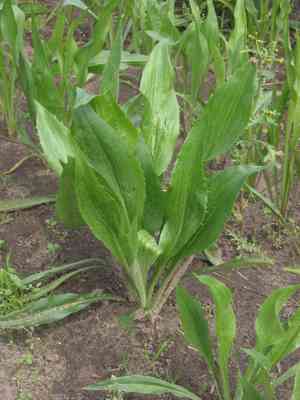
Black salsify (Scorzonera hispanica)
Also known as: Oyster plant, Spanish salsify
The black salsify plant features yellow, ray-like flowers similar to those of a dandelion. Its slender, black taproot can reach lengths of up to one meter and has a diameter of about 2 cm. The root's exterior is black, while the interior is white and creamy.
In This Article
Attributes of Black salsify
Lifespan
Perennial
Plant Type
Herb
Plant Height
1 m
Spread
30 cm
Leaf Color
Green
Flower Size
4-6 cm
Flower Color
Yellow
Images of Black salsify

Quickly Identify Black salsify
1
Look for a long, black root that secretes a white, milky sap when cut. The plant has lanceolate leaves and produces yellow, dandelion-like flowers.
Scientific Classification of Black salsify
Phylum
Vascular plants
Class
Dicotyledons
Order
Asterales
Family
Daisy
Genus
Scorzonera
Species
Black salsify
Planting and Growing of Black salsify
Care Difficulty
Easy
Watering Schedule
Every 3 days
Sunlight Requirements
Full sun
Sunshine Duration
4-8 hours
Ideal Temperature
60-70℉
Soil Type
Potting Mix, Peat Mix
Soil pH
6.5-7.5
Fertilizer Type
Balanced
Pruning Season
Spring, Summer
Pruning Area
Branches, Leaves
Pruning Frequency
2 times a year
Repotting Season
Spring
Pot Type
Plastic, Ceramic
 How to Water Black salsify?
Scorzonera hispanica, commonly known as black salsify, requires adequate watering to thrive. Approximately 500 milliliters per session is ideal. Ensure the soil is moist but not waterlogged, allowing it to dry slightly between waterings. This balance prevents root rot and supports healthy growth.
What are the symptoms of an underwatered Black salsify?
›
What should I do if my Black salsify is not getting enough water?
›
What are the symptoms of an overwatered Black salsify?
›
How to save an overwatered Black salsify?
›
 What Are the Sunlight Requirements for Black salsify?
Scorzonera hispanica thrives in full to partial sun, ideally seven to eight hours of light. Adequate sunlight is essential for vigorous growth, healthy leaves, and optimal flowering.
What is the best lighting condition for Scorzonera hispanica?
›
How can one achieve the ideal lighting conditions?
›
What are the benefits of Scorzonera hispanica receiving ideal lighting?
›
 What Is the Ideal Temperature Range for Black salsify?
For optimal growth, Scorzonera hispanica thrives in temperatures ranging from 60°F to 70°F. This range allows for sufficient enzymatic and metabolic processes necessary for healthy plant development. Maintaining this temperature helps ensure the plant remains stress-free and productive.
 What Soil is Best for Black salsify?
Scorzonera hispanica thrives in well-draining soils that prevent waterlogging. Ensuring the soil is loose and aerated helps promote healthy root growth and prevents root rot, which is essential for robust plants. This plant prefers soil rich in organic matter. Composted materials enhance soil fertility, providing essential nutrients that contribute to the plant's vigorous growth and increase its yield potential. Maintaining moderate moisture levels in the soil is key for Scorzonera hispanica. Consistent moisture supports continuous nutrient uptake and ensures steady plant development without the stress of drought.
 How to Fertilize Black salsify?
Scorzonera hispanica, commonly known as black salsify, requires careful attention to fertilizer amounts. For liquid fertilizers, use approximately 3 to 5 liters of diluted solution per square meter, ensuring the concentration is mild to prevent root burn. Slow-release fertilizers should be applied at about 20 grams per square meter, focusing on balanced nutrients that cater primarily to root development and overall plant health.
 How to Prune Black salsify?
Begin by inspecting the Scorzonera hispanica for any dead, wilted, or discolored leaves. Use a pair of clean, sharp scissors to remove these leaves, cutting them back to the base. This encourages better air circulation and allows the plant's energy to be directed towards healthy growth. After the blooming period, which typically occurs in late summer, prune the flower stalks back to the base. This not only tidies up the plant's appearance but also helps in redirecting nutrients and energy to the roots, aiding in its vegetative growth and preparing it for the next bloom cycle.
More About Pruning Techniques→
 How to Propagate Black salsify plant?
1
The first step is to prepare a well-draining soil mix, enriched with organic compost. This ensures that the seeds or divided sections receive the right amount of nutrients and water. Ensure the soil has a neutral pH and is free from pests and diseases.
2
Sow Scorzonera hispanica seeds thinly in trays filled with prepared soil. Cover lightly with soil and water gently. Maintain a consistent temperature of around 15-20°C to support germination, which generally takes 10 to 14 days.
3
For division, select a mature Scorzonera hispanica plant. Carefully dig around the roots to minimize damage. Use a sharp knife to divide the plant into smaller sections ensuring each has a healthy root system. Plant these sections immediately into prepared soil.
 How to Repot Black salsify plant?
1
Look for signs like roots growing through drainage holes, or the soil drying out too quickly, indicating overcrowding. Spring and autumn are ideal times, as the plant is in an active growth phase, minimizing transplant shock.
2
Select a pot with adequate drainage holes, slightly larger than the current one. This helps prevent waterlogging and provides room for root growth, ensuring the plant thrives in its new home.
3
Use well-draining sandy loam soil. This type allows excess water to escape while retaining the right amount of moisture and nutrients, essential for Scorzonera hispanica's optimal health and growth.
Learn More About Black salsify Diseases
Anthracnose
Bacterial Leaf Spot
Bacterial Soft Rot
Bacterial Wilt
Chemical Injury
Crown Gall
Cyst Nematode
Damping-off
Downy Mildew
Drought Stress
Fusarium Wilt
Gray Mold
Leaf Spot
Mosaic
Nutrient Deficiency
Nutrient Toxicity
Powdery Mildew
Root Rot
Root-knot Nematode
Rusts
Sooty Mold
Spider Mites
Temperature Stress
Thrips Damage
White Mold



