How to Prune Pygmy barrel cactus?
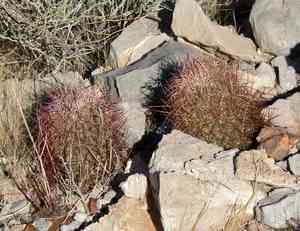
The pygmy barrel cactus, a compact succulent recognized for its thorny, cylindrical structure, typically flourishes in dry climates. To preserve its vitality and contour, trim pygmy barrel cactus during the late winter or early spring period. Concentrate on excising deceased or ailing portions and any superfluous development to foster air circulation and deter decay. Exercise caution to prevent harming the plant's delicate tissues. Trimming not only improves its visual appeal but also stimulates vigorous development, rendering the cactus more durable.
What Are the Benefits of Pruning Pygmy Barrel Cactus?
What Are the Benefits of Pruning Pygmy Barrel Cactus?
Trimming pygmy barrel cactus promotes robust development, maintains its form, and boosts resistance to pests and diseases, thereby improving the plant's overall health and visual appeal.
What Is the Best Time for Pruning Pygmy Barrel Cactus?
What Is the Best Time for Pruning Pygmy Barrel Cactus?
Trimming pygmy barrel cactus during early spring or late winter is optimal as these periods coincide with its inactive phase. During dormancy, the plant is not actively growing, which minimizes stress and disease risk. Early spring and late winter pruning also encourage healthier, more vigorous growth during the active season. Additionally, this timing avoids disrupting the flowering period, ensuring pygmy barrel cactus can bloom properly.
What Tools Do I Need to Prune Pygmy Barrel Cactus?
Long-handled tweezers
Crucial for safely reaching into the dense spines of pygmy barrel cactus without harming the plant or injuring the gardener.
Small pruning shears
Useful for making precise cuts when removing any damaged or dead parts of pygmy barrel cactus. Choose shears with a sharp blade for clean cuts.
Hand-held brush
Important for gently brushing away debris or pests from pygmy barrel cactus without causing any harm to the cactus's delicate structure.
Protective gloves
Essential for shielding hands from the spines of pygmy barrel cactus while performing any pruning tasks. Use gloves specifically designed for handling cacti.
How to Prune Pygmy Barrel Cactus
Assess
Carefully inspect pygmy barrel cactus for any indications of diseased or withered foliage.
Sanitize
Before making any cuts, disinfect your pruning tools with a solution of one part bleach to ten parts water to prevent disease transmission.
Trim diseased
Use sterilized pruning shears to remove diseased leaves, cutting as close to the base of the leaf or main stem as possible without damaging other parts of pygmy barrel cactus.
Trim withered
Remove withered leaves in a similar manner as diseased ones, ensuring you do not harm the healthy portions of pygmy barrel cactus.
Dispose
Properly discard all removed leaves in the trash, not in compost, to prevent any potential spread of disease.
Common Pruning Mistakes with Pygmy Barrel Cactus
Over-pruning
A frequent error is removing too many pads or spines, which can stress pygmy barrel cactus and hinder its growth.
Improper tools
Using dull or unsuitable tools can result in jagged cuts, making pygmy barrel cactus vulnerable to infections.
Cutting in the wrong places
Beginners may cut too close to the cactus body, damaging vital tissues and affecting nutrient transport.
Not sanitizing tools
Failing to sterilize pruning tools between cuts can introduce diseases and pests to pygmy barrel cactus.
Common Pruning Tips for Pygmy Barrel Cactus
Minimalist approach
Prune sparingly, only removing dead or damaged spines and pads. This helps pygmy barrel cactus maintain its shape and health without unnecessary stress.
Sharp, clean tools
Always use sharp and clean pruning tools to ensure clean cuts and reduce the risk of infections.
Cut above nodes
Make precise cuts just above the nodes to encourage healthy regrowth and prevent damage to essential structures.
Sterilize tools
Regularly sterilize your pruning tools with rubbing alcohol or a bleach solution to prevent the spread of pathogens.
Stay aware of overall health
Monitor the overall health of pygmy barrel cactus, focusing on maintaining a balance between removing problematic parts and preserving essential spines for photosynthesis and protection.



