How to Prune White sunnybell?
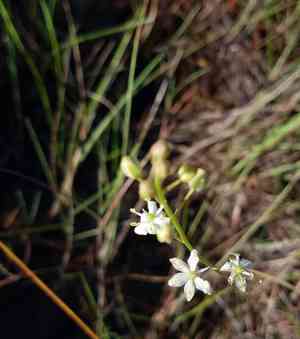
White sunnybell is a perennial species characterized by its unique white blossoms. Trimming ought to be performed in early spring or late winter to foster robust development and flowering. Eliminate any deceased or injured leaves and shorten any excessively long stems to preserve its form. This schedule guarantees negligible interference with the plant's growth pattern and aids strong progression during the active cultivation period. Consistent trimming of white sunnybell improves air movement, lowers the chance of illness, and boosts the plant's general health.
What Are the Benefits of Pruning White Sunnybell?
What Are the Benefits of Pruning White Sunnybell?
Trimming white sunnybell encourages robust development and helps maintain its form. By eliminating dead or crowded stems, gardeners can boost blooming, enhance air circulation, and lower the chance of pests and diseases, ensuring a healthier plant overall.
What Is the Best Time for Pruning White Sunnybell?
What Is the Best Time for Pruning White Sunnybell?
Pruning white sunnybell during early spring or late winter is optimal due to the plant's dormant state. Performing cuts at these times minimizes stress and allows the plant to recover and produce new growth when the active season begins. Additionally, pruning before the growth period promotes healthier blooms and ensures energy isn't wasted on dead or damaged parts, leading to more vibrant flowering.
What Tools Do I Need to Prune White Sunnybell?
Hand pruners
For precise trimming and cutting of dead or damaged foliage in tight spaces. Essential for maintaining the plant's shape.
Bypass pruners
Ideal for clean cuts on live plants, minimizing harm and encouraging healthy development.
Pruning shears
Necessary for cutting thicker stems or branches, ensuring clear, sharp cuts that avoid crushing plant tissue.
Lopping shears
Useful for reaching into denser parts of the plant and managing thicker growth without extensive damage.
Hand saw
For occasional pruning of larger branches or stems, providing a controlled and sharp cut.
How to Prune White Sunnybell
Inspection
Carefully examine white sunnybell for any indications of diseased or withered leaves. It's crucial to identify unhealthy sections before pruning.
Tools Sterilization
Use sterilized, sharp pruning shears or scissors to ensure clean cuts and to prevent the spread of disease.
Diseased Leaves Removal
Trim away any diseased leaves close to the base. Ensure you remove the entire affected area to prevent further spread of the disease.
Withered Leaves Removal
Cut off any withered leaves at their point of origin. This promotes better air circulation and overall plant health.
Disposal
Immediately dispose of all pruned material. Do not compost diseased leaves to avoid contamination.
Common Pruning Mistakes with White Sunnybell
Incorrect technique
Using the wrong tools or improper methods can harm white sunnybell. Dull or unsuitable tools might crush or tear stems instead of cleanly cutting them.
Poor timing
Pruning too early or too late can hinder white sunnybell's growth. Pruning at the wrong time can remove flower buds and reduce flowering.
Over-pruning
Removing too much foliage can stress white sunnybell, impacting its ability to photosynthesize and produce new growth. Over-pruning can lead to weaker plants.
Neglecting to sanitize tools
Using unclean tools can spread diseases from plant to plant. It is crucial to sanitize tools before and after pruning to maintain plant health.
Common Pruning Tips for White Sunnybell
Use proper tools
Always use sharp, clean pruning shears or scissors to ensure clean cuts. This helps prevent damage and reduces the risk of disease.
Prune lightly
For white sunnybell, itâs essential to prune sparingly. Focus on removing dead, damaged, or diseased leaves and stems rather than cutting back healthy growth.
Focus on cleaning up
Remove dried flower heads and any dead or yellowing foliage. This helps the plant look tidy and directs energy towards healthy growth.
Observe plant's growth
Monitor white sunnybell regularly to understand how it responds to pruning. This will help you adjust your approach to suit the plantâs needs, promoting optimal growth and flowering.



