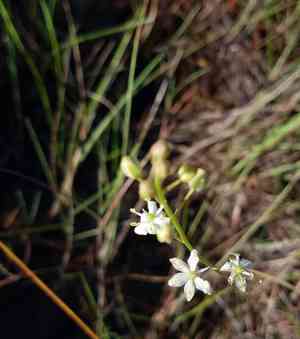
White sunnybell (Schoenolirion albiflorum)
Also known as: None
The white sunnybell (Schoenolirion albiflorum) is a perennial herb recognized for its narrow, grass-like leaves and erect flowering stems adorned with clusters of small, starry white blooms. These flowers usually appear in the spring. The plant thrives in its native environments like wet meadows, pine savannas, and bogs, favoring moist, acidic soils. It prefers locations that receive full sunlight to partial shade and benefit from periodic natural disturbances such as fire or water level changes.
In This Article
Attributes of White sunnybell
Lifespan
Perennial
Plant Height
30-60 cm
Spread
None
Leaf Color
Green
Flower Size
2-3 cm
Flower Color
White
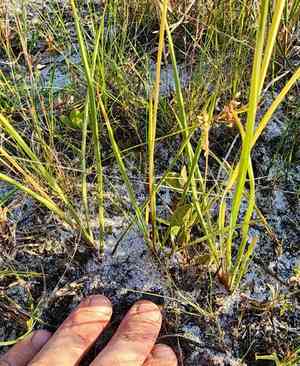
Images of White sunnybell
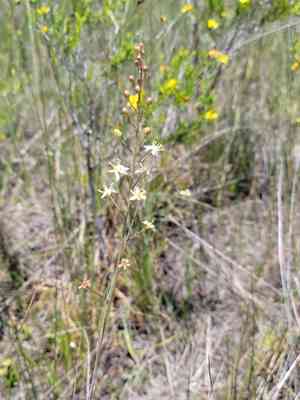
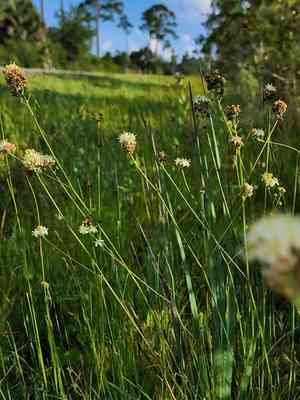
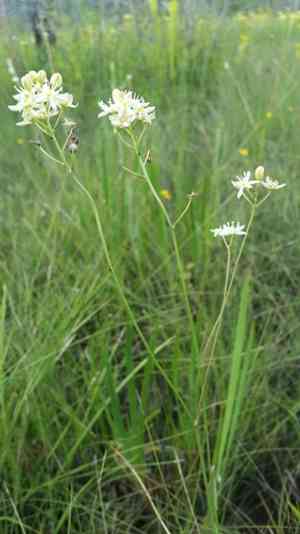
Quickly Identify White sunnybell
1
Identify by its grass-like leaves and terminal clusters of white lily-like flowers. It typically grows in moist, sandy soils.
Scientific Classification of White sunnybell
Phylum
Vascular plants
Class
Monocotyledons
Order
Asparagales
Family
Asparagus
Genus
Rush-lily
Species
White sunnybell
Planting and Growing of White sunnybell
Care Difficulty
Moderate
Watering Schedule
Every 3 days
Sunlight Requirements
Full sun
Sunshine Duration
4-8 hours
Ideal Temperature
50-75℉
Soil Type
Potting Mix, Peat Mix
Soil pH
6.5-7.5
Fertilizer Type
Balanced
Pruning Season
Spring, Summer
Pruning Area
Branches, Leaves
Pruning Frequency
2 times a year
Repotting Season
Spring
Pot Type
Terracotta, Plastic
 How to Water White sunnybell?
For Schoenolirion albiflorum, it's important to ensure the soil is evenly moist but not waterlogged. You should aim to water the plant thoroughly with about 200 milliliters, allowing the water to drain through the soil completely, ensuring that no water is left standing in the saucer.
What are the symptoms of an underwatered White sunnybell?
›
What should I do if my White sunnybell is not getting enough water?
›
What are the symptoms of an overwatered White sunnybell?
›
How to save an overwatered White sunnybell?
›
 What Are the Sunlight Requirements for White sunnybell?
Schoenolirion albiflorum thrives in partial to full sun, benefiting from 6-8 hours of direct sunlight daily. Ideal lighting ensures robust blooming and vigorous bulb health, promoting overall plant vitality.
What is the best location for Schoenolirion albiflorum?
›
How can I ensure consistent light for Schoenolirion albiflorum?
›
Why is proper light exposure crucial for Schoenolirion albiflorum?
›
 What Is the Ideal Temperature Range for White sunnybell?
For optimal growth of Schoenolirion albiflorum, it is important to maintain a temperature between 50°F and 75°F. This range mimics the plant's natural habitat and ensures that cellular processes such as photosynthesis and respiration function efficiently. Temperatures beyond this range may cause stress or damage, affecting overall plant health.
 What Soil is Best for White sunnybell?
Schoenolirion albiflorum requires well-drained soil to prevent root rot and ensure healthy growth. Good drainage facilitates oxygen supply to roots, enhancing plant vigor and resilience. This species thrives in moderately fertile soils, which provide essential nutrients without the risk of nutrient burn or excessive foliage development. This balance promotes optimal growth and flowering. The plant prefers soil that retains moisture but does not become waterlogged. Consistent moisture levels support healthy root function and prevent stress-induced by drought or excess water.
 How to Fertilize White sunnybell?
Schoenolirion albiflorum typically requires a modest amount of fertilizer. For liquid fertilizer, use a balanced 10-10-10 NPK fertilizer at half strength. Apply about 100 ml per plant each time. For slow-release fertilizer, use a small handful, approximately 10 grams, scattered around the base of the plant.
 How to Prune White sunnybell?
Begin by inspecting the plant for any dead or damaged leaves. Use a pair of sharp scissors or pruning shears to gently trim these away. Make clean cuts close to the base of the stem to avoid leaving stubs which can attract pests or diseases. Ensure you remove any yellowing leaves and any blooms that have passed their prime to encourage new growth. During spring and summer, focus on shaping the plant and removing any parts that obstruct growth or sunlight. In autumn, prepare your plant for dormancy by minimizing its size, removing any excess growth to help it conserve energy during winter months. Although winter pruning isn't necessary unless indoors or in a very mild climate, monitor the plant for any signs of stress or damage.
More About Pruning Techniques→
 How to Propagate White sunnybell plant?
1
Carefully dig around the base of the plant to lift it from the ground. This should be done delicately to avoid damaging the root system. Make sure to extract the entire clump for easier division.
2
Using pruning shears, divide the root ball into smaller sections. Each section should have a healthy amount of roots and shoots to ensure successful propagation. Take care to make clean cuts to prevent disease.
3
Plant the divided sections into prepared soil. Dig holes sufficient to cover the roots, and firm the soil gently around the base. Water thoroughly to help the plants establish in their new location.
 How to Repot White sunnybell plant?
1
Schoenolirion albiflorum should be repotted when its roots outgrow the current pot, showing signs of being root-bound. This might include roots emerging through drainage holes or the plant experiencing stunted growth. Ideally, aim for repotting during the plant's dormant or semi-dormant stage, either in early spring or autumn, to reduce stress.
2
Select a pot that is one size larger than its current one, ensuring it has ample drainage holes. A slightly bigger pot prevents overwatering issues, allowing the plant's roots room to expand and access air, preventing root rot. Clay pots are recommended as they provide better aeration for the soil.
3
Opt for a well-draining sandy loam soil. This type of soil prevents waterlogging while retaining enough moisture that Schoenolirion albiflorum needs. The mix should allow easy root penetration, facilitating healthy growth.



