How to Prune Pygmy pink?
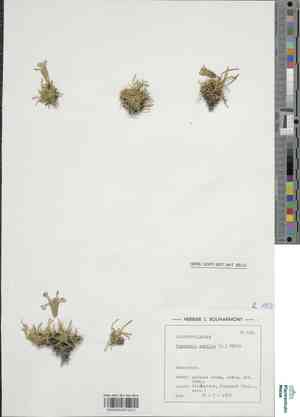
Pygmy pink is a diminutive, fragile botanical specimen recognized for its dense development and appealing pink blossoms. Perform trimming in late winter or early spring to stimulate fresh development and preserve its form. Eliminate deceased or injured stalks and shorten overly extended branches to foster a fuller appearance. Consistent trimming aids in preventing sparse growth and boosts flowering. This method also betters air movement surrounding the plant, diminishing the likelihood of ailments. Always employ sanitized, keen implements for accurate incisions.
What Are the Benefits of Pruning Pygmy Pink?
What Are the Benefits of Pruning Pygmy Pink?
Pygmy pink benefits from trimming as it aids vigorous growth and maintains its compact form. Pruning encourages healthier development, promotes more abundant flowering, controls its spread, and enhances resistance to pests and diseases.
What Is the Best Time for Pruning Pygmy Pink?
What Is the Best Time for Pruning Pygmy Pink?
Trimming pygmy pink during late winter to early spring is considered ideal because this period aligns with the plantâs dormant phase and precedes new growth. Pruning during dormancy minimizes plant shock, reduces disease transmission risk, and allows for better shape correction without interrupting the flowering cycle. As pygmy pink begins to emerge from dormancy in early spring, it directs energy towards new growth, ensuring quicker recovery and enhancing overall health and flowering in the upcoming season.
What Tools Do I Need to Prune Pygmy Pink?
Hand Pruners (Bypass Pruners)
Hand pruners are perfect for pygmy pink as they allow precise cuts on small stems and branches, reducing plant damage. They are especially useful for removing dead or damaged stems and fostering healthier growth.
Pruning Shears
Pruning shears are helpful for maintaining the compact, mounded shape of pygmy pink. They provide a clean cut, which helps minimize potential disease and ensures a neat appearance.
Gloves
While not a cutting tool, gloves are crucial for protecting your hands from any potential irritation when working with pygmy pink and ensuring a firm grip on your pruning tools.
Sterilizing Solution
Again, while not a pruning tool, having a sterilizing solution on hand to clean your tools before and after use helps prevent the spread of disease, which is vital for maintaining the health of pygmy pink.
How to Prune Pygmy Pink
Inspect
Regularly examine pygmy pink for any diseased or withered foliage. Focus on identifying signs of illness, such as discoloration or spots, and wilting.
Sterilize
Before pruning, sanitize your pruning shears or scissors with rubbing alcohol or a bleach solution to prevent disease transmission.
Remove diseased leaves
Carefully remove diseased leaves by cutting them at the base, ensuring to cut as close to the stem as possible without harming the healthy part of pygmy pink. Dispose of these leaves away from the garden to prevent contamination.
Remove withered leaves
Trim away any withered leaves in a similar fashion, making clean cuts to avoid leaving ragged edges. This helps improve the overall appearance and health of pygmy pink.
Dispose and clean
After pruning, collect all trimmed material and dispose of it properly. Clean and sterilize pruning tools again to ensure they are ready for future use.
Common Pruning Mistakes with Pygmy Pink
Over-pruning
Many gardeners, especially beginners, may remove too much of the plant, leading to stunted growth and fewer blooms. Excessive pruning can also make pygmy pink susceptible to diseases and pests.
Incorrect pruning tools
Using dull or unsuitable tools can harm the plant. It's important to use sharp, clean shears to make precise cuts.
Pruning at the wrong angle
Cutting stems at improper angles can hinder proper healing and increase vulnerability to disease. Always make cuts at a slight angle to encourage water runoff.
Ignoring dead or diseased parts
Failing to remove dead or diseased sections can allow the problem to spread, weakening the entire plant.
Common Pruning Tips for Pygmy Pink
Moderate pruning
Ensure to prune pygmy pink moderately. Remove only about one-third of the plant at a time to promote healthy regrowth and abundant blooming. This helps maintain the plant's vigor and form.
Use appropriate tools
Always use sharp, clean tools such as pruning shears or scissors. This ensures clean cuts that will heal quickly, minimizing the risk of infection or disease.
Prune at the right angle
Make cuts at a 45-degree angle to the stem. This angle promotes efficient water runoff and helps prevent rotting, aiding faster healing.
Target problematic areas
Focus on removing dead, damaged, or diseased stems first. This prevents the spread of disease and pests, ensuring the overall health of pygmy pink.
Clean up debris
After pruning, gather and dispose of all cuttings and debris. This helps prevent diseases from taking hold and encourages a tidy growing environment.



