
Pygmy pink (Saponaria pumilio)
Also known as: Dwarf soapwort
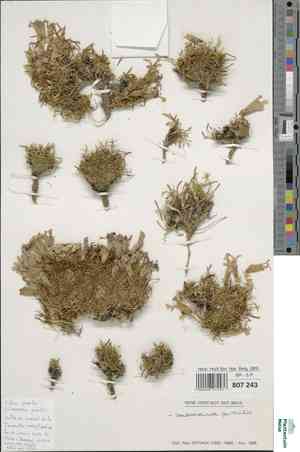
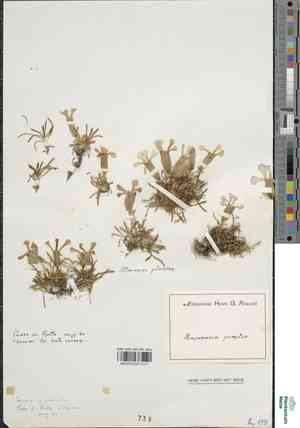
The Pygmy pink, a small perennial plant, excels in alpine environments due to several key adaptations. It forms tight, cushion-like clusters in rocky crevices and limestone gravel, which help it withstand harsh conditions. Its lance-shaped, glossy green leaves create dense mounds, providing insulation against cold and minimizing water loss. In summer, it produces clusters of small, fragrant pink to white flowers that attract pollinators, supporting the local ecosystem. The plant's low-growing habit reduces wind exposure and prevents damage from heavy snowfall, making it well-suited for survival in alpine habitats.
In This Article
Attributes of Pygmy pink
Lifespan
Perennial
Plant Type
Herb
Plant Height
5-15 cm
Spread
10-30 cm
Leaf Color
Green
Flower Size
1-2 cm
Flower Color
Pink to purple
Images of Pygmy pink


Quickly Identify Pygmy pink
1
Saponaria pumilio can be identified by its compact, cushion-like growth form, small, narrow leaves, and its cluster of pink to purple flowers. The plant typically grows in rocky alpine habitats.
Scientific Classification of Pygmy pink
Phylum
Vascular plants
Class
Dicotyledons
Order
Caryophyllales
Family
Pink
Genus
Soapworts
Species
Pygmy pink
Planting and Growing of Pygmy pink
Care Difficulty
Easy
Watering Schedule
Every day
Sunlight Requirements
Full sun
Sunshine Duration
4-8 hours
Ideal Temperature
60-75℉
Soil Type
Potting Mix, Peat Mix
Soil pH
6.5-7.5
Fertilizer Type
Balanced
Pruning Season
Spring, Summer
Pruning Area
Branches, Leaves
Pruning Frequency
2 times a year
Repotting Season
Spring
Pot Type
Plastic, Ceramic
 How to Water Pygmy pink?
Saponaria pumilio prefers a moderate amount of water. It's crucial to let the soil dry out completely between waterings. This plant does well with around 200 ml of water per session. When watering, ensure the water reaches deep into the soil but does not leave the plant sitting in water, as this can lead to root rot.
What are the symptoms of an underwatered Pygmy pink?
›
What should I do if my Pygmy pink is not getting enough water?
›
What are the symptoms of an overwatered Pygmy pink?
›
How to save an overwatered Pygmy pink?
›
 What Are the Sunlight Requirements for Pygmy pink?
Saponaria pumilio benefits greatly from full sun to partial sun exposure. This range fosters healthy growth, vibrant flowering, and robust structural development, enhancing its ornamental value.
Ideal Light Intensity
›
Location Strategy
›
Effects of Optimal Lighting
›
 What Is the Ideal Temperature Range for Pygmy pink?
The ideal temperature range for Saponaria pumilio is between 60°F to 75°F. This range supports optimal growth and blooming, providing the plant with the necessary warmth to activate its metabolic processes efficiently. Maintaining this temperature range ensures healthy root development and maximizes flowering potential.
 What Soil is Best for Pygmy pink?
Saponaria pumilio thrives in well-drained soil as it prevents root rot and allows roots to access necessary nutrients. This adaptability mimics its natural alpine habitats where water does not accumulate. This plant is accustomed to surviving in nutrient-poor soils, which reduces the need for frequent fertilization and helps it maintain its characteristic compact growth. While Saponaria pumilio can handle low-nutrient soils, a moderately fertile soil mix can encourage more vibrant blooms. Balanced fertility supports healthy growth without compromising resilience.
 How to Fertilize Pygmy pink?
For Saponaria pumilio, applying a balanced 10-10-10 liquid fertilizer at a rate of 1/4 teaspoon per gallon of water is ideal. For slow-release fertilizer, choose a granular formula and use around 3-4 ounces per square meter.
 How to Prune Pygmy pink?
Begin pruning Saponaria pumilio by examining the plant and identifying any dead or diseased stems. Use sharp shears to remove these, cutting at a 45-degree angle to encourage healthy growth. Trim back any stems that are excessively long to maintain the plant's shape. After major pruning, give the plant a light misting to reduce shock. To encourage bushy growth, pinch off the tips of the new growth during the growing seasons. This promotes lateral branching, leading to a fuller plant with more blooms. Regular deadheading of spent flowers can also improve flowering by reducing seed formation and directing energy back into producing new shoots.
More About Pruning Techniques→
 How to Propagate Pygmy pink plant?
1
When propagating Saponaria pumilio, choose healthy parent plants free from disease or pests. This ensures that the cuttings, seeds, or divisions are of the highest quality, providing the best start for new plants.
2
For successful propagation, prepare a well-draining propagation medium like a mix of peat moss and perlite. This ensures proper aeration and moisture retention for developing roots.
3
Maintain consistent temperatures and provide indirect sunlight for newly propagated Saponaria pumilio. Avoid direct sunlight which can be too harsh and may desiccate delicate cuttings and seedlings.
 How to Repot Pygmy pink plant?
1
Saponaria pumilio needs repotting when roots start circling the pot or emerging from drainage holes. Autum and spring are ideal as the plant isn't in active growth. These seasons provide a stable environment for the plant to recover and establish itself in new soil.
2
The ideal pot for Saponaria pumilio should be slightly larger than the old one, with decent drainage to avoid root rot. Terra cotta pots are preferable as they allow better airflow, preventing moisture accumulation that could harm the roots.
3
Choosing a well-draining cactus mix ensures aeration and prevents waterlogging, which can lead to root diseases. This type of soil stimulates healthy root growth by providing the necessary balance of moisture and air.
Toxicity
Ingestion
WARNING
The judgment on toxicity and danger is for reference only. We DO NOT GUARANTEE any accuracy of such judgment. Therefore, you SHALL NOT rely on such judgment. It is IMPORTANT TO SEEK PROFESSIONAL ADVICE in advance when necessary.
Learn More About Pygmy pink Diseases
Anthracnose
Bacterial Leaf Spot
Bacterial Soft Rot
Bacterial Wilt
Black Spot
Chemical Injury
Crown Gall
Cyst Nematode
Damping-off
Downy Mildew
Drought Stress
Fusarium Wilt
Gray Mold
Leaf Curl
Leaf Spot
Mosaic
Nutrient Deficiency
Nutrient Toxicity
Powdery Mildew
Root Rot
Root-knot Nematode
Rusts
Sooty Mold
Spider Mites
Temperature Stress
Thrips Damage
White Mold



