How to Prune Sanvitalia angustifolia?
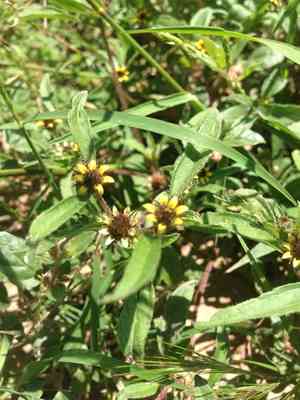
Sanvitalia angustifolia features vibrant yellow, daisy-shaped blossoms and a cascading growth pattern. Perform trimming in spring, summer, and autumn to preserve its form and stimulate flowering. Periodically eliminate withered or compromised stems and faded blooms. Cut back elongated or excessively grown stems to foster denser development. Trimming encourages more vigorous foliage and abundant flowering, elevating the plant's aesthetic value. Regular pruning guarantees a sturdy and appealing presentation across all growing periods.
Advantages of Trimming Sanvitalia Angustifolia
Advantages of Trimming Sanvitalia Angustifolia
Trimming sanvitalia angustifolia promotes robust development and helps maintain its form. By eliminating dead or overgrown stems, you can improve air circulation, lower the chance of pests and diseases, and foster a more vigorous and appealing plant overall.
Optimal Period for Trimming Sanvitalia Angustifolia
Optimal Period for Trimming Sanvitalia Angustifolia
Trimming or cutting sanvitalia angustifolia is best performed in Spring, Summer, and Fall as these seasons align well with its growth and blooming cycles. During Spring, the plant initiates its active growth phase, allowing it to recover quickly from pruning and encouraging healthy new development. Summer is an ideal time for light trimming to maintain shape and remove faded flowers, promoting continuous blooming. Fall pruning can help tidy up the plant as it prepares for dormancy, ensuring a healthy condition in the subsequent growing season. These periods avoid the stress of mid-winter pruning, which could harm the plant during its dormant state.
Necessary Tools for Trimming Sanvitalia Angustifolia
Hand Pruners
Perfect for making precise cuts on the small, delicate stems of sanvitalia angustifolia. Essential for shaping and removing spent flowers without harming the plant.
Scissors
Useful for deadheading and fine trimming. Their small size allows for accuracy in maintaining sanvitalia angustifolia's neat appearance.
Snips
Excellent for detailed cuts in tight spaces due to their pointed tips. Perfect for reaching stems buried within the dense foliage of sanvitalia angustifolia.
How to Trim Sanvitalia Angustifolia
Inspect
Examine sanvitalia angustifolia to identify withered leaves that need removal. Ensure you only trim dead or dying foliage.
Sterilize Tools
Clean and sterilize your pruning shears with rubbing alcohol or a bleach solution to prevent the spread of disease.
Remove
Carefully cut the withered leaves at the base where they meet the stem. Make precise cuts to avoid damaging healthy tissue.
Dispose
Dispose of the cut withered leaves properly to prevent any potential spread of disease or pests.
Assess
After trimming, reassess sanvitalia angustifolia to ensure no withered leaves remain and the plant looks balanced and healthy.
Common Trimming Errors with Sanvitalia Angustifolia
Excessive Trimming
Cutting back too much of sanvitalia angustifolia can lead to stress and hinder growth. Limit pruning to maintain the plant's health.
Incorrect Technique
Using dull or dirty tools can cause damage to the plant tissue, increasing the risk of disease and poor healing.
Trimming at the Wrong Nodes
Cutting at the wrong place on the stem can lead to uneven growth or excessive scragginess.
Ignoring Deadheading
Failing to remove spent flowers can hinder continuous blooming and overall plant vigor.
Neglecting Sanitation
Not cleaning tools between uses can spread disease among plants.
General Trimming Advice for Sanvitalia Angustifolia
Use Clean, Sharp Tools
Ensure your pruners are sanitized and sharpened to make clean cuts, reducing the risk of disease.
Prune Strategically
Trim back to the next healthy node or bud to encourage bushier growth and avoid legginess.
Deadhead Regularly
Remove spent blooms to encourage ongoing flowering and maintain a tidy appearance.
Remove Dead or Damaged Stems
Always cut away any dead or damaged stems to promote healthy new growth and increase airflow.



