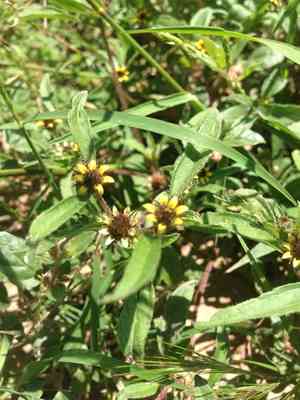
Sanvitalia angustifolia (Sanvitalia angustifolia)
Also known as: Creeping Zinnia, Trailing Sanvitalia
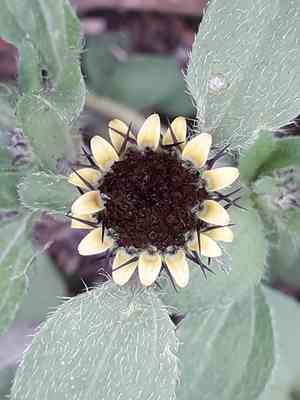
Sanvitalia angustifolia is frequently confused with S. ocymoides and S. procumbens, although it can be distinguished by its unique petal size and shape. Native to the grasslands of Mexico, Sanvitalia angustifolia can also be found along roadsides. Gardeners value this species for its drought resistance.
In This Article
Attributes of Sanvitalia angustifolia
Lifespan
Annual
Plant Type
Herb
Plant Height
2-6 inches (5-15 cm)
Spread
12-18 inches (30-45 cm)
Leaf Color
Green
Flower Size
0.5-1 inch (1.3-2.5 cm)
Flower Color
Yellow (sometimes orange or white)
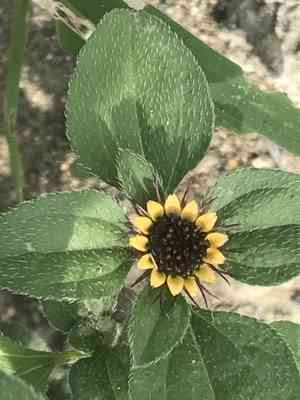
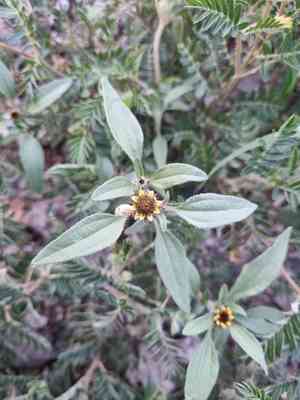
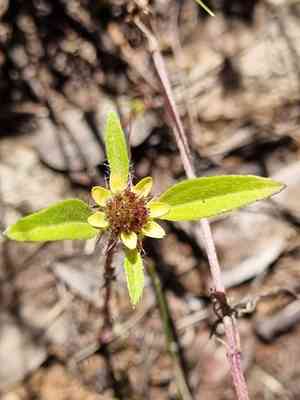
Images of Sanvitalia angustifolia
Quickly Identify Sanvitalia angustifolia
1
Look for a low-growing, spreading plant with small, vibrant yellow flowers that have a dark central disk. The leaves are small, opposite, lance-shaped, and usually covered with fine hairs.
Scientific Classification of Sanvitalia angustifolia
Phylum
Vascular plants
Class
Dicotyledons
Order
Asterales
Family
Daisy
Genus
Creeping zinnias
Species
Sanvitalia angustifolia
Planting and Growing of Sanvitalia angustifolia
Care Difficulty
Easy
Watering Schedule
Every 4 days
Sunlight Requirements
Full sun
Sunshine Duration
6-10 hours
Ideal Temperature
60-75℉
Soil Type
Potting Mix, Peat Mix
Soil pH
6.5-7.5
Fertilizer Type
Balanced
Pruning Season
Spring, Summer
Pruning Area
Branches, Leaves
Pruning Frequency
2 times a year
Repotting Season
Spring
Pot Type
Plastic, Ceramic
 How to Water Sanvitalia angustifolia?
For Sanvitalia angustifolia, it is crucial to provide enough water to moisten the soil thoroughly but not to waterlog it. Depending on the soil and climate, around 250 ml of water per session usually suffices. The goal is to keep the soil consistently moist but not soggy.
What are the symptoms of an underwatered Sanvitalia angustifolia?
›
What should I do if my Sanvitalia angustifolia is not getting enough water?
›
What are the symptoms of an overwatered Sanvitalia angustifolia?
›
How to save an overwatered Sanvitalia angustifolia?
›
 What Are the Sunlight Requirements for Sanvitalia angustifolia?
Sanvitalia angustifolia enjoys full sun, benefiting most from a range of 6 to 8 hours of daily light exposure. Proper lighting boosts its photosynthesis process, essential for healthy growth, colorful blooms, and resilience.
How much sunlight does Sanvitalia angustifolia need?
›
What are solutions to ensure ideal lighting for Sanvitalia angustifolia?
›
What benefits does Sanvitalia angustifolia gain from ideal lighting?
›
 What Is the Ideal Temperature Range for Sanvitalia angustifolia?
The ideal temperature range for growing Sanvitalia angustifolia is between 60°F and 75°F. This range ensures that the plant has optimal growth conditions, providing the right warmth for photosynthesis while preventing stress that could hinder development.
 What Soil is Best for Sanvitalia angustifolia?
Sanvitalia angustifolia thrives best in well-drained soil that prevents waterlogging, which is crucial to avoid root rot and promote healthy growth. The plant favors soil with moderate fertility, ensuring it has enough nutrients without the risk of excessive nitrogen which could stunt bloom production. Maintaining slightly moist soil aids this plant in its continuous growth cycle, especially during the warmer months when water evaporation rates are higher.
 How to Fertilize Sanvitalia angustifolia?
Sanvitalia angustifolia appreciates a balanced fertilizer regime. Use a fertilizer with an N-P-K ratio of 10-10-10, applying approximately 1 tablespoon per gallon of water. Ensure even distribution across the plant's root zone.
 How to Prune Sanvitalia angustifolia?
Begin by identifying spent blooms - those that are brown and wilted. Cut just below the base of these faded flowers to encourage the plant to redirect energy into producing new blooms. Look for leggy stems that appear stretched out or weak. Trim these back to a leaf node to stimulate more robust growth and maintain the compact shape of the plant. To keep your Sanvitalia angustifolia looking dense, use pruning to shape the plant during the growing season. Cut back overly long stems, maintaining a rounded and balanced appearance.
More About Pruning Techniques→
 How to Propagate Sanvitalia angustifolia plant?
1
For seed propagation, start by preparing a well-draining soil mix. You can use a blend of peat, perlite, and vermiculite to create a medium that retains moisture without becoming waterlogged. Ensure the soil is sterile to prevent disease.
2
Sow Sanvitalia angustifolia seeds on the soil surface, gently pressing them down without covering them completely, as they require light to germinate. Water the soil lightly to keep it moist but not wet.
3
For cutting propagation, choose healthy stems and take 3-4 inch cuttings using sharp pruning shears. Remove the lower leaves, leaving a couple of leaf nodes at the top. This helps in reducing moisture loss.
 How to Repot Sanvitalia angustifolia plant?
1
Sanvitalia angustifolia should be repotted when roots begin to outgrow the current container, visible through drainage holes, or when soil compaction limits water absorption. The ideal time to repot is during the growing seasons of spring and summer when the plant is most resilient and can quickly establish itself in the new pot.
2
Select a container that is one size larger than the current pot—slightly wider and deeper. Proper drainage is crucial, so ensure the chosen pot has sufficient drainage holes to allow excess water to escape, preventing root rot and promoting healthy growth. This benefits the plant by reducing waterlogging and oxygen-cut off to the roots.
3
The ideal soil for repotting Sanvitalia angustifolia is a well-draining potting mix, ideally containing components like perlite or sand to enhance drainage. A suitable soil encourages root aeration and prevents soggy conditions, reducing the risk of fungal diseases and promoting vigorous root development.
Learn More About Sanvitalia angustifolia Diseases
Anthracnose
Bacterial Leaf Spot
Bacterial Soft Rot
Bacterial Wilt
Chemical Injury
Damping-off
Downy Mildew
Drought Stress
Fusarium Wilt
Gray Mold
Leaf Spot
Mosaic
Nutrient Deficiency
Nutrient Toxicity
Powdery Mildew
Root Rot
Root-knot Nematode
Rusts
Sooty Mold
Spider Mites
Temperature Stress
Thrips Damage
White Mold



