How to Prune Munz's sage?
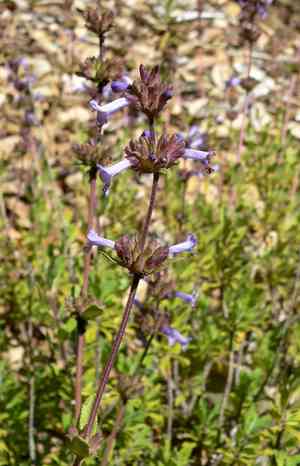
Munz's sage, recognized for its fragrant leaves and vivid blue blossoms, thrives with early spring trimming. Essential methods involve excising deceased or compromised stalks to foster vigorous development and contouring the specimen by reducing its total volume by up to one-third. This action not only preserves its visual charm but also stimulates a more prolific flowering period. Trimming additionally aids in controlling its expansion, deterring it from becoming overly sparse or lignified. Utilize sanitized, keen implements to avert pathogen dissemination.
What Are the Benefits of Pruning Munz's Sage?
What Are the Benefits of Pruning Munz's Sage?
Munz's sage thrives with trimming, promoting vigorous growth and shape retention. Pruning eliminates dead or diseased parts, stimulates healthy new development, boosts flowering, aids in size management, and enhances overall appearance. This plant also gains increased resistance to pests and diseases through consistent pruning.
What Is the Best Time for Pruning Munz's Sage?
What Is the Best Time for Pruning Munz's Sage?
Trimming munz's sage in early spring is ideal as it aligns with its natural growth cycle. During this period, munz's sage is emerging from dormancy, making it more resilient to pruning stress and enabling rapid recovery and new growth. Furthermore, early spring pruning helps shape the plant before active growth and flowering, fostering a healthy, robust structure. Avoiding pruning in late fall or winter is crucial, as it can impair the plant's ability to endure cold temperatures and heighten disease risk.
What Tools Do I Need to Prune Munz's Sage?
Bypass Pruners
Perfect for making precise cuts on living stems, which helps prevent disease. Essential for removing dead or damaged stems from munz's sage.
Loppers
Useful for cutting through thicker, woody stems that hand pruners cannot manage. Munz's sage can develop substantial branches that may require these.
Pruning Saw
Necessary for cleanly cutting large, woody branches. Ensures that bigger cuts are neat to minimize harm and reduce disease risk.
Hedge Shears
Beneficial for shaping munz's sage and maintaining its desired form. Allows for uniform trimming of new growth.
How to Prune Munz's Sage
Assess
Examine munz's sage for any diseased foliage, withered leaves, dead branches, and infected branches. Identifying these sections is vital for targeted trimming.
Trim Diseased Leaves
Carefully remove any diseased leaves by cutting them at their base where they connect to the stem. Use sterilized pruning shears to prevent disease spread.
Trim Withered Leaves
Cut away withered leaves to encourage healthier growth and improved air circulation. Trim close to the main stem without harming healthy tissue.
Remove Dead Branches
Using sharp, sterilized shears or loppers, cut dead branches back to the nearest living part of the plant. Ensure cuts are clean to avoid creating entry points for pathogens.
Cut Diseased Branches
Prune diseased branches back to healthy tissue, making cuts slightly above a node where new growth can emerge. Dispose of pruned material properly to prevent disease spread.
Common Pruning Mistakes with Munz's Sage
Over-Pruning
Removing too much foliage at once can stress munz's sage, leading to reduced growth and fewer flowers. It's important to prune sparingly.
Improper Cuts
Using dull or unsuitable tools can damage stems and branches, making munz's sage vulnerable to disease. Always use sharp pruning shears or scissors.
Pruning at Incorrect Angles
Cutting branches at wrong angles can impede proper healing. Cuts should be made at a 45-degree angle away from the bud to promote healthy new growth.
Timing Mistakes
Pruning at the wrong time can negatively impact munz's sage's blooming cycle. Understanding and adhering to the optimal pruning schedule is crucial.
Neglecting Deadwood
Failing to remove dead, diseased, or damaged stems can hinder munz's sage's growth and encourage disease spread.
Common Pruning Tips for Munz's Sage
Use Proper Tools
Invest in high-quality, sharp pruning shears to make clean cuts. This minimizes damage and helps munz's sage heal quickly.
Make Clean Cuts
Ensure cuts are clean and precise. Clean cuts heal faster and are less prone to disease.
Prune Gradually
Remove no more than a third of the plant at any time. This prevents stressing munz's sage and encourages steady, healthy growth.
Focus on Shape
Shape munz's sage by cutting back overgrown shoots and maintaining a bushy, rounded form. This helps air circulation and sunlight penetration.
Remove Old Blooms
Regularly deadhead spent flowers to encourage new blooms and extend the flowering period for munz's sage.
Check for Damage
Regularly inspect munz's sage for dead, damaged, or diseased branches. Promptly remove these to maintain plant health.
Encourage Airflow
Thin out the interior of munz's sage slightly to enhance air circulation and reduce the risk of fungal diseases.



