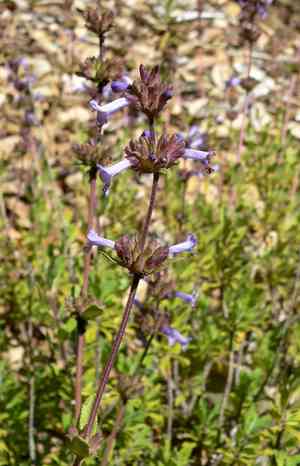
Munz's sage (Salvia munzii)
Also known as: Munz's sage
Munz's sage (Salvia munzii) is a hardy perennial shrub adorned with striking blue to violet blossoms. Native to the chaparral regions of Southern California and Baja California, this plant is well-suited to dry, Mediterranean climates. Its gray-green, lance-shaped foliage is both aromatic and efficient at conserving water, highlighting its drought-tolerant nature. Typically growing up to 3 feet in height and width, Munz's sage thrives in full sun and well-drained soils, contributing to local ecosystems by attracting bees and hummingbirds with its nectar-rich flowers.
In This Article
Attributes of Munz's sage
Lifespan
Perennial
Plant Type
Shrub
Plant Height
0 mm to 30 cm
Spread
2-3 feet (0.6-0.9 meters)
Leaf Color
Gray-green
Flower Size
0.5-1 inch (1.3-2.5 cm)
Flower Color
Bluish-purple
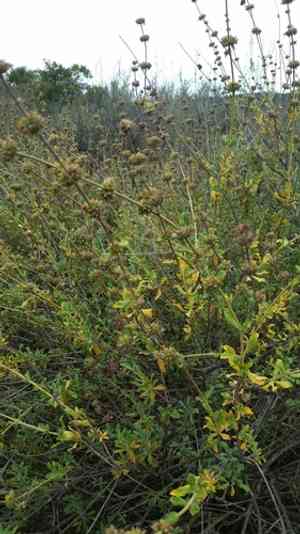
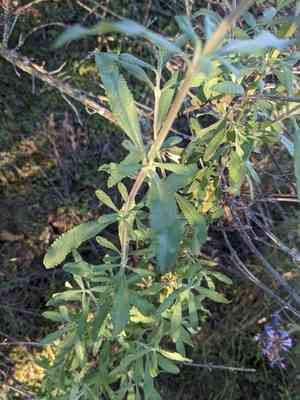
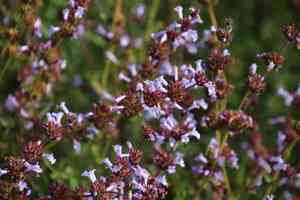
Images of Munz's sage
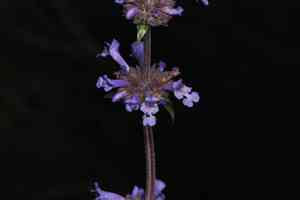
Quickly Identify Munz's sage
1
Salvia munzii can be identified by its small, aromatic leaves and tubular bluish-purple flowers. The leaves are typically gray-green and the plant has a shrub-like form, growing up to several feet in height.
Scientific Classification of Munz's sage
Phylum
Vascular plants
Class
Dicotyledons
Order
Lamiales
Family
Mint
Genus
Sages
Species
Munz's sage
Planting and Growing of Munz's sage
Care Difficulty
Moderate
Watering Schedule
Every 2 days
Sunlight Requirements
Full sun
Sunshine Duration
6-10 hours
Ideal Temperature
65-75℉
Soil Type
Potting Mix, Peat Mix
Soil pH
6.5-7.5
Fertilizer Type
Balanced
Pruning Season
Spring, Summer
Pruning Area
Branches, Leaves
Pruning Frequency
2 times a year
Repotting Season
Spring
Pot Type
Plastic, Ceramic
 How to Water Munz's sage?
Salvia munzii prefers moderate watering, approximately 250 milliliters each time. Ensure the soil is damp but not waterlogged, allowing the top inch to dry out between waterings. This helps maintain a balance, preventing root rot while keeping the plant hydrated.
What are the symptoms of an underwatered Munz's sage?
›
What should I do if my Munz's sage is not getting enough water?
›
What are the symptoms of an overwatered Munz's sage?
›
How to save an overwatered Munz's sage?
›
 What Are the Sunlight Requirements for Munz's sage?
Salvia munzii flourishes under full to partial sunlight. This range ensures maximum energy absorption from the sun, aiding in robust floral display and general plant vigor, strengthening resilience against external stressors.
What is the best lighting condition for Salvia munzii?
›
How can you ensure ideal light exposure for Salvia munzii?
›
What are the benefits of Salvia munzii getting ideal light conditions?
›
 What Is the Ideal Temperature Range for Munz's sage?
Salvia munzii thrives best in temperatures ranging between 65°F and 75°F. This range ensures the plant's optimal metabolic activities and growth speed. Maintaining these temperatures supports vibrant foliage and abundant flowering.
 What Soil is Best for Munz's sage?
Salvia munzii thrives in well-drained soil to prevent root rot. The plant benefits from soil that facilitates proper drainage, ensuring its roots aren’t waterlogged, promoting healthier growth. This plant flourishes when planted in nutrient-rich soils. High organic content provides essential nutrients, supporting vigorous growth and abundant flowering, making the plant more resilient. Salvia munzii is well-suited for drought-tolerant soils, needing less frequent watering once established. This trait helps it survive in arid climates, reducing water usage and maintenance needs.
 How to Fertilize Munz's sage?
Each application of fertilizer for Salvia munzii should be moderate, with approximately 1/4 to 1/2 cup of balanced, general-purpose, water-soluble fertilizer for a single plant. This avoids over-fertilization and supports the plant's natural growth cycle.
 How to Prune Munz's sage?
Gather sharp pruning shears and sterilize them with isopropyl alcohol to prevent the spread of pathogens. Begin by removing any dead or damaged stems. Cut back to the base of the stem to promote new growth. Shape Salvia munzii by trimming back about one-third of the length of healthy stems. This encourages a bushier appearance and more blooms. Trim interior branches to open up the plant's center, improving airflow and reducing the risk of mildew.
More About Pruning Techniques→
 How to Propagate Munz's sage plant?
1
Collect seeds from mature Salvia munzii plants after they have flowered. It's important to ensure the seeds are dry and stored properly to maintain their viability for future propagation.
2
Use a well-draining potting mix for sowing seeds or planting cuttings. Amend the soil with perlite or sand to improve drainage and aeration, which is crucial for healthy root development.
3
Take cuttings from a healthy plant during the active growing season, preferably in spring. Trim a section of healthy stem about 4-6 inches long, remove the lower leaves, and plant it in a moist potting mix.
 How to Repot Munz's sage plant?
1
Salvia munzii shows signs of needing repotting when it becomes root-bound or the soil does not retain moisture well. If you notice roots emerging from the drainage holes or the plant appears stunted, it's time to consider repotting, usually during active growing seasons like spring or summer.
2
Select a pot that is one size larger than the current one, allowing for an inch of extra space around the root ball. The ideal pot should have ample drainage holes to prevent waterlogging, which is essential for the healthy development of Salvia munzii's roots, promoting robust growth and flowering.
3
Choose a well-draining potting mix, possibly enriching it with some sand or perlite to enhance aeration. This soil ensures proper moisture levels without retaining excess water, thus reducing the risk of root rot and promoting the healthy growth of Salvia munzii.



