How to Prune Woolly sage?
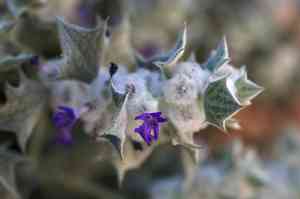
Salvia lanata, a unique variety recognized for its fuzzy surface, thrives with trimming predominantly from late winter through early spring. Concentrate on eliminating deceased or compromised limbs while fostering fresh development. Reducing dense sections enhances air movement and general plant well-being. Refrain from severe cutting since Salvia lanata exhibits a gradual growth pace, and excessive removal might strain the specimen. Timely pruning elevates flower quality and sustains a neat look, extending the plant's lifespan.
What Are the Benefits of Pruning Woolly Sage?
What Are the Benefits of Pruning Woolly Sage?
Pruning woolly sage encourages robust development and helps maintain its desired form. This method aids in managing its size, improves air flow to lessen pest and disease threats, and stimulates fresh, healthy growth.
What Is the Best Time for Pruning Woolly Sage?
What Is the Best Time for Pruning Woolly Sage?
Trimming woolly sage in late winter or early spring is optimal, coinciding with its dormant phase. This timing helps prevent plant stress while fostering new, healthy growth as temperatures rise. Furthermore, pruning prior to the active growing season ensures woolly sage can direct its energy towards producing strong foliage and blooms, enhancing its overall health and visual appeal.
What Tools Do I Need to Prune Woolly Sage?
Hand Pruners
Perfect for snipping slender, delicate stems and spent flower stalks, offering precise control for detailed pruning tasks on woolly sage.
Bypass Pruners
Effective for cutting vibrant, healthy stems up to 0.75 inches in diameter without crushing plant tissue, promoting clean recovery.
Loppers
Suitable for thicker branches or more mature, woody stems up to 2 inches in diameter, crucial for preserving the shape and vitality of woolly sage.
Pruning Shears
Useful for finer, more intricate work, such as deadheading faded flowers and trimming soft growth to encourage more abundant blooms on woolly sage.
Pruning Saw
Required for cutting through larger, more substantial branches that are too thick for loppers, ensuring safe and clean cuts.
How to Prune Woolly Sage
Diseased leave removal
Carefully check woolly sage for any infected leaves. Using sanitized pruning shears, remove the affected leaves close to the branch to stop disease spread.
Withered leave removal
Identify dried-up leaves on woolly sage. Trim these leaves at their base with sharp, clean scissors to encourage new growth and enhance the plant's look.
General cleaning
Remove any fallen leaves or debris from around the base of woolly sage to improve air circulation and lower the risk of disease.
Shape maintenance
Lightly trim the outermost tips of woolly sage to maintain its natural form. Avoid heavy pruning as this can stress the plant.
Tool sanitization
After pruning, thoroughly clean and sterilize all tools to prevent cross-contamination.
Common Pruning Mistakes with Woolly Sage
Over-pruning
Removing too much foliage can stress woolly sage, diminishing its vigor and capacity to flower.
Improper technique
Using dull or unsanitized tools can harm the plant and introduce pathogens.
Pruning at the wrong time
Cutting back the plant at inappropriate times can disrupt its growth cycle and blooming.
Common Pruning Tips for Woolly Sage
Use sharp, clean tools
Ensure your pruning shears are sharp and sterilized to make clean cuts and minimize infection risk.
Make precise cuts
Cut just above a leaf node or bud to encourage healthy new growth.
Remove dead or diseased wood
Regularly inspect woolly sage and promptly cut away any dead or diseased branches to maintain plant health.
Thin out crowded areas
Prune selectively to allow light and air circulation within the plant, promoting healthier growth.



