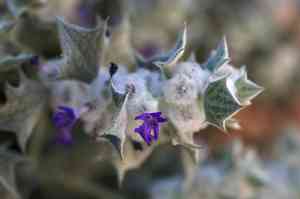
Woolly sage (Salvia funerea)
Also known as: Death Valley Sage, Funeral Sage
Woolly sage (Salvia leucophylla) is a fascinating perennial herb known for its silvery-gray leaves and vibrant purple to violet blossoms that appear on upright spikes. This plant excels in arid environments due to its notable drought-resistant features. The woolly texture of its leaves helps to minimize water loss, while its aromatic oils provide both moisture retention and protection from herbivores. The striking flower colors and distinctive sage aroma not only attract pollinators but also add a unique sensory appeal to its natural, dry habitats.
In This Article
Attributes of Woolly sage
Lifespan
Perennial
Plant Type
Herb
Plant Height
1 to 1.5 feet (30 to 45 cm)
Spread
1 to 2 feet (30 to 60 cm)
Leaf Color
Gray-green
Flower Size
0.5 to 1 inch (1.3 to 2.5 cm)
Flower Color
Pale blue to purple
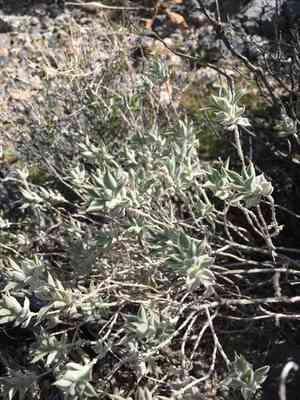
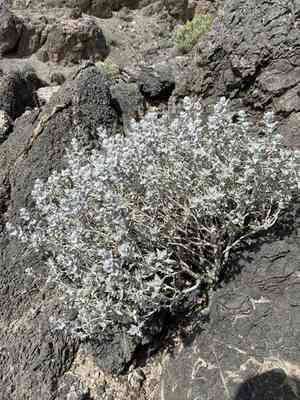
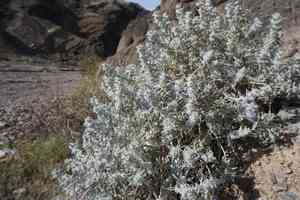
Images of Woolly sage

Quickly Identify Woolly sage
1
Salvia funerea can be identified by its small, gray-green leaves, which are covered with fine hairs. It produces pale blue to purple flowers arranged in whorls on tall, spindly spikes. The plant has a distinctive, aromatic scent.
Scientific Classification of Woolly sage
Phylum
Vascular plants
Class
Dicotyledons
Order
Lamiales
Family
Mint
Genus
Sages
Species
Woolly sage
Planting and Growing of Woolly sage
Care Difficulty
Moderate
Watering Schedule
Every 2 days
Sunlight Requirements
Full sun
Sunshine Duration
6-10 hours
Ideal Temperature
60-75℉
Soil Type
Potting Mix, Peat Mix
Soil pH
6.5-7.5
Fertilizer Type
Balanced
Pruning Season
Spring, Summer
Pruning Area
Branches, Leaves
Pruning Frequency
2 times a year
Repotting Season
Spring
Pot Type
Plastic, Ceramic
 How to Water Woolly sage?
Salvia funerea, commonly known as the Death Valley sage, thrives in arid environments and requires moderate watering. The key is to provide a thorough soak of approximately 200 ml per watering session, ensuring that the soil is completely saturated but allows for quick drainage. This mimics the plant's natural environment, where infrequent but deep watering refreshes it.
What are the symptoms of an underwatered Woolly sage?
›
What should I do if my Woolly sage is not getting enough water?
›
What are the symptoms of an overwatered Woolly sage?
›
How to save an overwatered Woolly sage?
›
 What Are the Sunlight Requirements for Woolly sage?
Salvia funerea's ideal light range is full to partial sun, facilitating robust health by enabling efficient photosynthesis and enhancing its bloom intensity and leaf coloration.
What is the ideal lighting for Salvia funerea?
›
How can one provide ideal light conditions for Salvia funerea?
›
What benefits does Salvia funerea gain from ideal light conditions?
›
 What Is the Ideal Temperature Range for Woolly sage?
For optimal growth, Salvia funerea prefers temperatures ranging from 60°F to 75°F. These conditions imitate the mild desert climates of its natural habitat. Temperature within this range ensures the plant remains active without experiencing undue stress. Maintaining such conditions can enhance growth and flowering periods.
 What Soil is Best for Woolly sage?
Salvia funerea thrives in soil that ensures excess water is quickly drained away, preventing root rot and fungal infections. Well-draining soil mimics its natural desert habitat, creating the perfect conditions for healthy growth and vibrant blooms. This plant prefers soils that are not rich in nutrients. An overly fertile soil can lead to lush foliar growth at the expense of flowers. Keeping the soil lean supports the plant's natural growth habits and encourages a robust flowering cycle. A gritty or gravelly soil texture is beneficial, aiding in proper aeration and drainage. This simulates the scree and rocky habitats where Salvia funerea is often found, fostering a resilient and well-anchored root system.
 How to Fertilize Woolly sage?
Salvia funerea benefits from light fertilization due to its natural adaptation to nutrient-poor desert soils. It requires minimal amounts of fertilizer, usually around a quarter strength of a typical houseplant fertilizer. Over-fertilization can lead to more harm than good.
 How to Prune Woolly sage?
Begin by sterilizing your pruning tools to prevent disease. Start by removing any dead or damaged branches, as these can impede the plant's growth. Trim back to the nearest set of leaves or down to the base of the plant if the stem is dead. For shaping, gently trim the outer foliage to maintain a compact form, but avoid heavy pruning as it could stress Salvia funerea. After the initial flowering period, deadhead faded blooms to stimulate additional flowering. This involves cutting the flower stalks back to the main stem or just above a set of leaves. Regular deadheading can keep the plant flowering throughout the summer months by redirecting energy towards new blooms.
More About Pruning Techniques→
 How to Propagate Woolly sage plant?
1
Use a well-draining potting mix or sandy soil for seed or cutting propagation. Ensure the soil is slightly moist but not waterlogged. The right mix will prevent rot and promote root development.
2
Scatter the seeds evenly over the prepared soil surface and lightly cover them with a thin layer of substrate. Ideally, do this in early spring to ensure they germinate with the rise in temperatures.
3
Cut a 4-6 inch section of a healthy, non-flowering stem in the late spring or early summer. Remove the lower leaves and dip the end in rooting hormone to enhance root development.
 How to Repot Woolly sage plant?
1
Watch for signs such as roots growing out of the pot's drainage holes, soil that dries out too quickly, or stunted growth. These are indicators that Salvia funerea needs more space to thrive and should be repotted.
2
Opt for a slightly larger pot that provides adequate drainage. A terracotta pot can be beneficial for Salvia funerea as it aids in moisture regulation, preventing over-watering, which is a common issue with this plant.
3
Utilize a well-draining cactus mix to ensure excess water is quickly dispersed, mimicking the plant's natural desert environment. This soil type helps prevent root rot and promotes a healthy root system.
Learn More About Woolly sage Diseases
Anthracnose
Bacterial Leaf Spot
Bacterial Soft Rot
Bacterial Wilt
Black Spot
Chemical Injury
Crown Gall
Cyst Nematode
Damping-off
Downy Mildew
Drought Stress
Fusarium Wilt
Gray Mold
Leaf Curl
Leaf Spot
Mosaic
Nutrient Deficiency
Nutrient Toxicity
Powdery Mildew
Root Rot
Root-knot Nematode
Rusts
Sooty Mold
Spider Mites
Temperature Stress
Thrips Damage
White Mold



