How to Prune Scarlet sage?
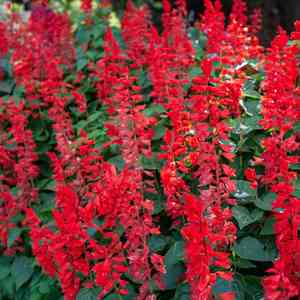
This vivid perennial is recognized for its brilliant crimson blossoms that draw in beneficial insects. For scarlet sage, trimming ought to occur from the beginning of spring until the end of autumn to foster denser development and a greater abundance of flowers. Remove faded flowers consistently to encourage uninterrupted blooming. After flowering, reduce the plant by as much as one-third to revitalize its growth. Refrain from extensive pruning in late autumn to safeguard emerging buds. Pruning aids scarlet sage by improving air movement and lowering the likelihood of disease.
What Are the Benefits of Pruning Scarlet Sage?
What Are the Benefits of Pruning Scarlet Sage?
Trimming scarlet sage encourages more abundant blooms, fosters strong and healthy development, and helps maintain a desirable, compact form. By selectively removing stems, scarlet sage can channel energy into flower production, ensuring a visually impressive display.
What Is the Best Time for Pruning Scarlet Sage?
What Is the Best Time for Pruning Scarlet Sage?
Pruning in early spring benefits scarlet sage by removing winter damage, shaping the plant, and stimulating new growth for the upcoming flowering season. Trimming during the growing period, which can extend into late autumn, allows for deadheading faded flowers, promoting continuous blooming and preventing the plant from expending energy on seed creation. It also helps maintain an attractive shape and encourages denser growth. The recommended timing aligns with scarlet sage's growth cycle to avoid disrupting its natural flowering period and to ensure the plant's health and vitality.
What Tools Do I Need to Prune Scarlet Sage?
Bypass Hand Pruners
Scarlet sage typically grows as a bushy plant with soft stems. Therefore, bypass hand pruners are perfect for making clean cuts through the plant's relatively soft, green stems without causing unnecessary harm to the plant tissues.
Sharp Scissors
For more precise, delicate tasks or if branches are very thin, sharp scissors can be used to snip off dead flowers or to shape the exterior of scarlet sage. They offer accuracy and ease of use for detailed work.
Pruning Shears
For mature or tougher stems of scarlet sage, pruning shears will provide the necessary strength and sharpness for a clean cut, which is crucial for the plant's health and to encourage new growth.
Gloves
To safeguard hands from cuts and plant sap, it is wise to wear gloves when working with scarlet sage. Garden gloves that fit snugly also provide the dexterity needed to handle tools and stems.
Cleaning Cloth & Disinfectant
To prevent the spread of disease when moving between plants or even different parts of scarlet sage, it's important to clean and disinfect pruning tools after each use. A simple cloth and rubbing alcohol or bleach solution will suffice.
How to Prune Scarlet Sage
Step1: Sterilization of Pruning Tools
Sterilize pruning tools before you begin to ensure scarlet sage's well-being. Use rubbing alcohol or a 10% bleach solution to clean your scissors or pruners to prevent disease transmission.
Step2: Identification of Unhealthy Plant Parts
Thoroughly inspect scarlet sage to identify dead flowers, elongated stems, and damaged stems that require pruning. This identification process is vital for maintaining plant health and promoting bushier growth.
Step3: Deadheading Spent Flowers
Start with dead flowers, also known as deadheading. Pinch the stem just below the faded flower or use your sterilized scissors to cut it off. This encourages scarlet sage to produce more blooms and conserve energy by not producing seeds.
Step4: Trimming Leggy Stems for Fuller Growth
Address elongated stems to encourage more compact growth and flowering. Cut back each leggy stem by up to one-third to one-half its length, making the cut just above a leaf node to stimulate new growth. A leaf node is where a pair of leaves will emerge from the stem.
Step5: Cutting Back Damaged Stems
Prune damaged stems by cutting them back to healthy tissue. Look for a point on the stem that is free of marks, discoloration, or deformity. Make your cut just above a leaf node to encourage new growth, ensuring you remove the entire damaged section.
Step6: Reshaping for Attractive Plant Form
Reshape scarlet sage after trimming to maintain an appealing form. Cut any excessively long or misplaced stems to balance the plant's shape, always cutting just above a leaf node to promote healthy new branches.
Step7: Cleanup of Pruning Debris
Clear away all clippings and fallen debris from around scarlet sage to prevent disease or pest issues. This is also important for maintaining air circulation around the plant after pruning.
Step8: Post-Pruning Watering
Water scarlet sage after pruning to help reduce stress and aid the plant in its recovery. Ensure the soil is moist but not waterlogged.
Step9: Monitoring Plant Recovery and Growth
Monitor the plant's recovery in the subsequent weeks, providing adequate water and potentially a balanced fertilizer to assist in regrowth. Observe the pruning sites for any signs of disease or poor regrowth, taking further action if necessary.
Post-Pruning Care for Scarlet Sage
Post-Pruning Care for Scarlet Sage
Immediately after pruning scarlet sage, ensure it's placed in a location with partial to full sunlight to promote healing and growth. Maintain moderate humidity and a temperature range of 60-85°F. Resume regular watering, but keep the soil consistently moist, not soggy, to prevent root rot. Apply a balanced, water-soluble fertilizer to replenish nutrients. Post-pruning, monitor scarlet sage for wilted or discolored leaves indicating stress or infection. If detected, adjust care and possibly consult a plant pathologist for further advice.
Common Pruning Mistakes with Scarlet Sage
Overly Aggressive Pruning Reduces Flowering
Pruning too aggressively, which can stress scarlet sage and diminish its capacity to produce flowers.
Using Dull Tools Causes Jagged Cuts and Disease
Not using clean, sharp tools, which can result in jagged cuts that make scarlet sage more vulnerable to diseases.
Cutting Old Woody Stems Limits New Growth
Pruning into woody, older stems that may not readily produce new growth, leading to reduced flowering and potentially harming the plant's vitality.
Common Pruning Tips for Scarlet Sage
Deadhead Spent Blooms to Encourage Flowering
Regularly remove faded blooms from scarlet sage to promote continuous flowering by using clean, sharp scissors or pruners to cut the stem just above a leaf node.
Pinch Back Tips to Promote Branching and Fullness
Lightly prune or pinch back the tips of scarlet sage during the active growing season to encourage branching and create a denser plant.
Remove Damaged Foliage to Prevent Disease Spread
Remove any damaged or diseased foliage as soon as it is noticed to maintain plant health and prevent the spread of infection.



