How to Prune Lemmon's willow?
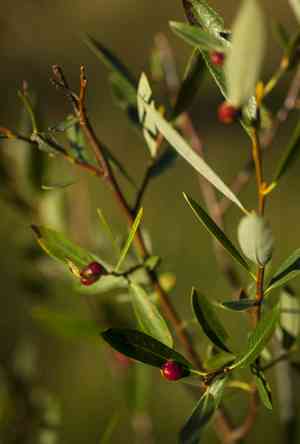
A unique deciduous bush, lemmon's willow is recognized for its robust development and capacity to flourish in moist environments. To ensure peak vitality and structure, trim lemmon's willow in late winter or early spring, prior to the emergence of new shoots. Concentrate on eliminating deceased or impaired branches, reducing crowded sections to facilitate light and air movement, and sculpting the plant to preserve its inherent shape. Consistent trimming not only improves its aesthetic but also fosters more vigorous growth and manages its dimensions.
What Are the Benefits of Pruning Lemmon's Willow?
What Are the Benefits of Pruning Lemmon's Willow?
Trimming lemmon's willow encourages robust development and helps maintain its form. Strategic cutting back promotes a denser structure, preventing excessive growth and ensuring optimal vitality and appearance.
What Is the Best Time for Pruning Lemmon's Willow?
What Is the Best Time for Pruning Lemmon's Willow?
Pruning lemmon's willow in late winter or early spring is recommended as the plant remains dormant during these periods. This timing minimizes stress on lemmon's willow, allowing it to recover from cuts without diverting energy from leaf or flower production. Furthermore, pruning before spring growth begins enables gardeners to easily identify which branches to remove for maintaining plant health and desired shape. This period also reduces the risk of pest infestations and diseases entering through pruning cuts, as many pests and pathogens are less active in colder weather.
What Tools Do I Need to Prune Lemmon's Willow?
Hand Pruners
Perfect for removing small to medium-sized branches from lemmon's willow. This tool offers precise control, essential for shaping and maintaining the tidy look of lemmon's willow.
Lopping Shears
Ideal for cutting thicker, stronger branches, typically up to 1.5 inches in diameter. Given the dense growth of lemmon's willow, these shears simplify handling larger branches without excessive effort.
Pruning Saw
Crucial for removing larger branches from mature lemmon's willow plants. Its serrated blade cuts through thick wood cleanly and efficiently. This tool is vital for managing the structural integrity of larger shrubs.
Hedge Shears
Useful for shaping lemmon's willow when it serves as a screening plant or hedge. Hedge shears allow for quick trimming of new growth to maintain desired forms and sizes.
How to Prune Lemmon's Willow
Identify and remove
Identify and remove all diseased and withered leaves from lemmon's willow. This action prevents disease spread and promotes healthier growth. Use sanitized shears to make clean cuts close to the main branch without causing damage.
Trim dead branches
Inspect lemmon's willow for dead branches, which appear dry and break easily. Carefully cut these at their base, near the collar of the main trunk, to facilitate proper healing and prevent decay organisms from entering the plant.
Remove diseased branches
Remove any branches showing signs of disease, such as discoloration or unusual growths. Make each cut just above a healthy node or lateral branch, ensuring no stubs are left as they can attract pests and diseases.
Thin interior
Thin out the interior of lemmon's willow to improve air circulation and light penetration. Selectively prune overlapping branches and those growing inward towards the plant's center. This step is crucial for reducing moisture-related diseases.
Clean up
After pruning, clear away all removed plant material from around lemmon's willow. Dispose of diseased material properly to prevent any potential reinfection. Clean and sanitize your tools at the end of the pruning session.
Common Pruning Mistakes with Lemmon's Willow
Overpruning
Removing too much foliage from lemmon's willow can weaken the plant. Novice gardeners often make the mistake of cutting back more than a third of the plant in one pruning session, which can lead to stress and poor growth.
Improper cutting technique
Using dull or dirty pruning tools can result in jagged cuts or introduce diseases to lemmon's willow, endangering its health. Ensuring tools are clean and sharp is crucial.
Neglecting dead branches
Failing to regularly remove dead or damaged branches can hinder the overall health and aesthetic of lemmon's willow. This oversight can lead to unnecessary stress on the plant and potentially the spread of disease.
Incorrect cut placement
Cutting too close to the bud or leaving too long a stub when pruning lemmon's willow can either damage the bud or encourage disease through the exposed stub.
Common Pruning Tips for Lemmon's Willow
Correct tool use
Utilize sharp, clean pruning shears for lemmon's willow. Clean cuts heal faster and reduce the risk of disease. Sterilize tools between cuts, especially when working on diseased branches.
Thinning technique
Focus on thinning rather than topping. Remove select branches to increase light penetration and air movement throughout lemmon's willow. This encourages healthy growth and reduces disease risk.
Structural pruning
Prioritize maintaining the natural shape of lemmon's willow while pruning. Remove crossed or rubbing branches and those growing inward to foster a strong, attractive structure.
Healing enhancement
Make angled cuts just above outward-facing buds to promote efficient water runoff and quicker healing. This technique helps direct new growth outward, enhancing lemmon's willow's overall form.



