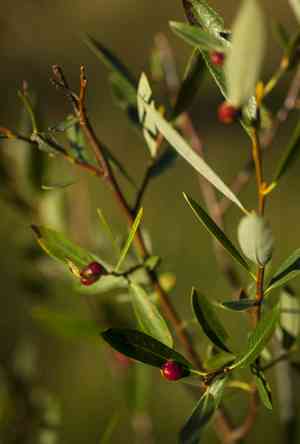
Lemmon's willow (Salix lemmonii)
Also known as: Lemmon's willow, Sierra willow
Bebb's willow (Salix bebbiana) is named after American botanist Michael Schuck Bebb. Found across North America, from Alaska to the northeastern United States, it thrives in moist, wet habitats, particularly in riparian zones. Bebb's willow is often utilized for erosion control and stabilizing disturbed soils.
In This Article
Attributes of Lemmon's willow
Lifespan
Perennial
Plant Type
Shrub
Plant Height
1 m to 4 m
Spread
3 m to 4 m
Leaf Color
Green
Flower Size
6 cm to 7 cm
Flower Color
Yellow Green
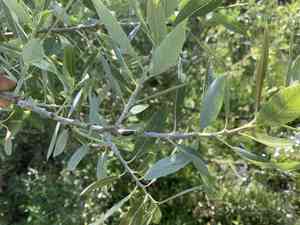
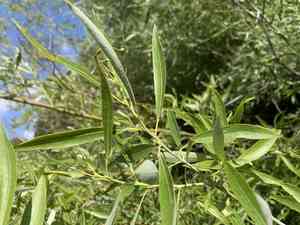
Images of Lemmon's willow


Quickly Identify Lemmon's willow
1
Salix lemmonii can be identified by its narrow lance-shaped leaves, smooth green or yellow stems, and small catkins that appear in spring. It typically grows near streams and moist areas.
Scientific Classification of Lemmon's willow
Phylum
Vascular plants
Class
Dicotyledons
Order
Malpighiales
Family
Willow
Genus
Willows
Species
Lemmon's willow
Planting and Growing of Lemmon's willow
Care Difficulty
Easy
Watering Schedule
Every 3 days
Sunlight Requirements
Full sun
Sunshine Duration
4-8 hours
Ideal Temperature
60-75℉
Soil Type
Potting Mix, Peat Mix
Soil pH
6.5-7.5
Fertilizer Type
Balanced
Pruning Season
Spring, Summer
Pruning Area
Branches, Leaves
Pruning Frequency
Once a year
Repotting Season
Spring
Pot Type
Plastic, Terracotta
 How to Water Lemmon's willow?
For Salix lemmonii, or Lemmon's Willow, watering should be thorough but allowing excess water to drain off. Each watering session should provide around 1000 milliliters, ensuring the soil is consistently moist but not waterlogged.
What are the symptoms of an underwatered Lemmon's willow?
›
What should I do if my Lemmon's willow is not getting enough water?
›
What are the symptoms of an overwatered Lemmon's willow?
›
How to save an overwatered Lemmon's willow?
›
 What Are the Sunlight Requirements for Lemmon's willow?
The plant thrives best under full sun to partial sun conditions. Proper sunlight exposure ensures stronger, healthier growth with vibrant foliage, significantly enhancing the plant's natural beauty.
Question: What is the ideal environment for Salix lemmonii?
›
Solutions to provide ideal lighting
›
Effect of ideal lighting
›
 What Is the Ideal Temperature Range for Lemmon's willow?
The ideal temperature range for Salix lemmonii is between 60°F and 75°F. These temperatures mimic the natural environment of the species and promote healthy growth and development. Keeping the plant within this range ensures optimal conditions that support active photosynthesis and nutrient uptake, contributing to vibrant foliage and robust health.
 What Soil is Best for Lemmon's willow?
Salix lemmonii thrives in nutrient-rich soil that provides essential nutrients. A fertile substrate encourages robust root development and vigorous foliage, enhancing the plant's overall health and resilience. Although tolerant of various soil types, Salix lemmonii benefits from well-drained soil which prevents root rot. Adequate drainage ensures roots have access to oxygen, maintaining the plant's vigor and reducing disease risk. While requiring good drainage, this species also thrives in soil that can retain moisture, supporting its lush growth and preventing dehydration during dry periods, critical for its survival in arid conditions.
 How to Fertilize Lemmon's willow?
Salix lemmonii, commonly known as Lemmon's willow, thrives with balanced nutrient support. Typically, a liquid fertilizer can be applied at a rate of 1 gallon per plant, mixed at half the recommended strength, every two weeks during the growing season. Adjust based on plant size and growth conditions.
 How to Prune Lemmon's willow?
Always use sharp, clean pruning shears to minimize plant stress and prevent the spread of pathogens. Sanitizing tools between cuts helps in maintaining plant health. Make clean, angled cuts just above a healthy bud or branch junction to direct growth and improve water runoff, reducing the risk of rot and promoting vigorous growth.
More About Pruning Techniques→
 How to Propagate Lemmon's willow plant?
1
In seed propagation, collect ripe seeds at the end of the growing season. Make sure seeds are fully matured and dry them in a cool, dry place.
2
For cutting propagation, cut segments of 6-8 inches from healthy willow stems. Remove leaves from the lower half and dip in rooting hormone before planting.
3
For division propagation, carefully dig up an established plant in early spring or fall. Gently separate the main clump into smaller sections, ensuring each has roots attached, and replant immediately.
 How to Repot Lemmon's willow plant?
1
Keep an eye out for roots that are starting to circle the pot's base or those that have begun to surface. If the plant seems to need more constant watering or is visibly outgrowing its current pot, these are tell-tale signs that Salix lemmonii is ready for a change of scenery.
2
Opt for a pot one size larger than the current one, preferably made from a breathable material like clay. This encourages proper air circulation, ensuring the roots do not become waterlogged and promoting healthy plant growth.
3
Use a well-draining loamy soil to provide the perfect balance of moisture retention and drainage. This soil mix is ideal for Salix lemmonii as it prevents root rot while supporting the plant’s growth and nutrient uptake.



