How to Prune European violet-willow?
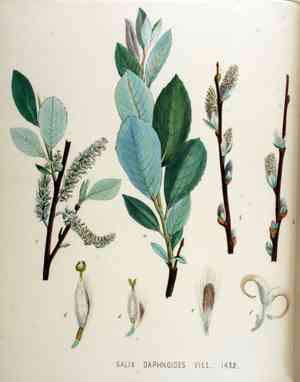
Distinguished by its vivid stalks and slender, deep green foliage, european violet-willow flourishes with appropriate trimming. The most effective time for pruning is in late winter or early spring to stimulate robust development and preserve its impressive look. Consistent reduction of mature branches and elimination of deceased or compromised wood is advised to improve light access and air movement. Pruning not only controls its dimensions and form but also fosters energetic new shoots, which are crucial for the plant's aesthetic and well-being.
Advantages of Trimming European Violet-willow
Advantages of Trimming European Violet-willow
Trimming european violet-willow encourages robust new development and assists in maintaining its desired form. Consistent cutting back fosters a denser, healthier specimen, enhancing its overall visual appeal and vigor.
Optimal Period for Trimming European Violet-willow
Optimal Period for Trimming European Violet-willow
Trimming european violet-willow from late winter to early spring is ideal, coinciding with its dormant phase just before the growth cycle restarts. This timing helps prevent cutting into new shoots, which can stress the plant and diminish its flowering potential. Furthermore, the absence of leaves provides a clearer view of the plant's structure, aiding in better shaping decisions. Pruning during this period also minimizes the risk of exposing fresh cuts to harsh winter conditions, which can increase susceptibility to ailments.
Essential Tools for Trimming European Violet-willow
Bypass Pruners
Perfect for executing clean, precise cuts on the smaller, younger branches of european violet-willow without crushing plant tissues.
Loppers
Suitable for reaching deeper into european violet-willow's growth and for severing thicker branches that bypass pruners cannot easily manage.
Pruning Saw
Required for cutting branches exceeding 1.5 inches in thickness, common in older, more established european violet-willow. A pruning saw helps manage large limbs without harming the plant.
Method for Trimming European Violet-willow
Identify
Carefully inspect european violet-willow to locate dead and diseased branches. Look for branches that appear brittle, lack buds, or exhibit signs of discoloration and fungal growth.
Sanitize
Before commencing pruning, disinfect all pruning tools with a bleach or alcohol solution to prevent disease transmission among the parts of european violet-willow.
Cut
Using sharp, clean pruning shears, make cuts at a 45-degree angle approximately 1/4 inch above a healthy bud or branch junction. Ensure cuts are made on the dead or diseased wood, avoiding healthy tissues to promote rapid healing.
Shape
After removing all unhealthy branches, evaluate the overall form and structure of european violet-willow. Remove any branches that cross over others or disrupt the plant's natural shape, aiming for a balanced appearance.
Cleanup
Once pruning is finished, clear away all removed branches and debris from around european violet-willow. This helps prevent disease spread and keeps the area tidy, which can deter pests.
Common Trimming Errors with European Violet-willow
Overpruning
A frequent error is overpruning european violet-willow, which can severely weaken the plant. Removing too much foliage at once can stress european violet-willow, diminishing its vigor and resilience.
Incorrect cuts
Making cuts too close to the bud or leaving too long a stub can lead to diseases and poor growth. Proper cut placement ensures healthier growth and reduces the risk of plant diseases.
Neglecting tool sanitation
Using uncleaned pruning tools can spread diseases from infected plants to healthy ones. Always sanitize tools before moving to a different plant, especially when cutting european violet-willow.
General Trimming Advice for European Violet-willow
Correct tool usage
Employ sharp, clean pruning shears for european violet-willow. Sharp tools create cleaner cuts that heal more quickly, reducing disease risk.
Selective trimming
Focus on removing only the dead, damaged, or diseased branches. This helps maintain the shape and health of european violet-willow without compromising its natural structure.
Timing trimming cuts
European violet-willow benefits from careful consideration of where and how cuts are made. Ensure cuts are made at a 45-degree angle, approximately 1/4 inch above a bud facing the outside of the plant to encourage outward growth.



