How to Prune Barren-ground willow?
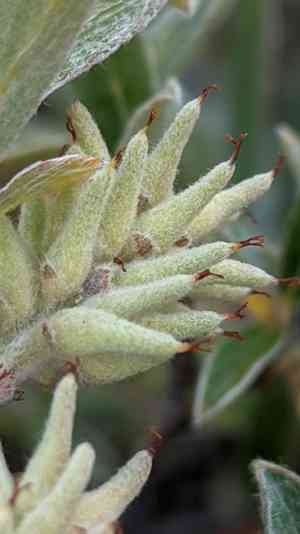
This dense shrub, recognized for its hardiness in frigid environments, barren-ground willow necessitates meticulous trimming to preserve its form and foster robust development. Trimming operations should be conducted in late winter or early spring, precisely before the emergence of new shoots. This schedule aids in preventing undue strain on barren-ground willow and facilitates swift recovery of pruned areas. Systematically remove older limbs to improve light access and airflow, substantially contributing to the plant's general well-being and strength.
What Are the Benefits of Pruning Barren-ground Willow?
What Are the Benefits of Pruning Barren-ground Willow?
Trimming barren-ground willow promotes robust development and preserves its form. This is crucial for improving its overall vitality and look, ensuring a compact and manageable growth suitable for its surroundings.
What Is the Best Time for Pruning Barren-ground Willow?
What Is the Best Time for Pruning Barren-ground Willow?
Pruning or trimming barren-ground willow during late winter or early spring is ideal as it coincides with the plant's dormant phase before the start of the new growth cycle. Trimming in late winter, just prior to spring growth, helps prevent sap loss, which is more active in warmer weather. This timing also allows cuts to heal quickly with rising spring temperatures, reducing disease risk. Furthermore, pruning before new growth begins aids in shaping the plant and removing any dead or diseased branches, contributing positively to healthier development and more abundant flowering or fruiting in the upcoming growth season.
What Tools Do I Need to Prune Barren-ground Willow?
Hand Pruners
Perfect for making precise cuts on young or small branches of barren-ground willow, which typically maintains a bushy form. Ensure pruners are sharp to avoid harming plant tissues.
Lopping Shears
Appropriate for removing thicker branches that hand pruners cannot manage. Barren-ground willow can develop denser, woody growth as it matures, requiring a more robust cutting implement.
Pruning Saw
Necessary for the largest branches of barren-ground willow, especially in older or more established shrubs. A pruning saw helps cut through thick wood without causing splits or fractures.
How to Prune Barren-ground Willow
Identify
Carefully examine barren-ground willow to locate diseased and withered leaves, as well as dead and unhealthy branches. Look for discoloration, fungal growth, or any signs of decay.
Sanitize
Before beginning the pruning process, disinfect all pruning tools. Use a solution of 1 part bleach to 9 parts water to prevent the spread of diseases to healthy parts of barren-ground willow.
Remove leaves
Using disinfected shears, carefully remove all identified diseased and withered leaves from barren-ground willow. Make clean cuts at the base of each leaf to minimize stress on the plant.
Prune branches
Trim dead and diseased branches from barren-ground willow. Make cuts at a 45-degree angle, just above a bud or branch junction to encourage proper healing and new growth.
Clean up
Dispose of all removed material away from healthy plants to prevent any potential re-infestation or disease spread. Clean the area around barren-ground willow to maintain a healthy growing environment.
Common Pruning Mistakes with Barren-ground Willow
Overpruning
Removing too much foliage at once can stress barren-ground willow, potentially leading to stunted growth and reduced vigor.
Improper cut locations
Cutting too far from or too close to the bud can hinder proper healing and growth. Incorrect cut locations can also lead to diseases.
Using dull tools
Dull or unclean pruning tools can cause jagged cuts that poorly heal and can introduce pathogens to barren-ground willow, risking infection and disease.
Ignoring diseased branches
Failing to identify and remove diseased or damaged branches can allow diseases to spread throughout barren-ground willow, compromising overall health.
Common Pruning Tips for Barren-ground Willow
Clean cuts near buds
Make clean, angled cuts just above outward-facing buds to promote outward growth and prevent water accumulation that can cause disease.
Annual thinning
Thin out crowded branches annually to enhance light penetration and air circulation within barren-ground willow's canopy, which is essential for robust health and growth.
Sanitize tools
Always use sharp, sanitized pruning tools to ensure clean cuts that heal quickly, preventing disease entry.
Selective pruning
Focus on pruning away only the dead, damaged, or overly vigorous branches to maintain barren-ground willow's natural shape and improve its structural integrity.



