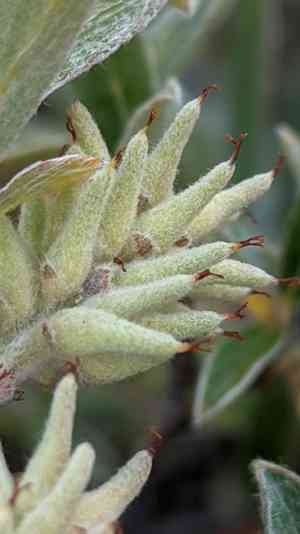
Barren-ground willow (Salix brachycarpa)
Also known as: Short-fruited willow
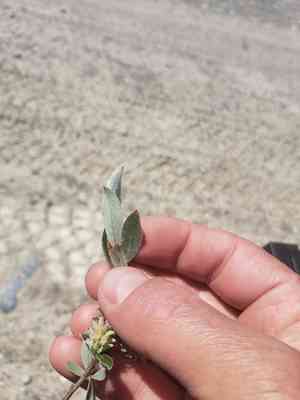
Salix brachycarpa is a low-growing or occasionally prostrate shrub that can reach up to 1.5 meters in height. The stems can be hairy, and the smaller branches may exhibit a woolly texture. The leaves typically have hairy surfaces, especially on the undersides. This species is dioecious, meaning that male and female flowers are found on different plants.
In This Article
Attributes of Barren-ground willow
Lifespan
Perennial
Plant Type
Shrub
Plant Height
1 to 2 meters
Spread
Varies, typically up to 1.5 meters
Leaf Color
Grayish-green
Flower Size
Catkins typically 1 to 2 cm long
Flower Color
Yellow-green
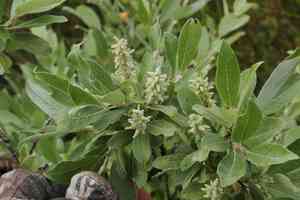
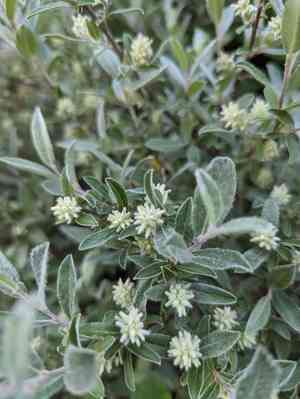
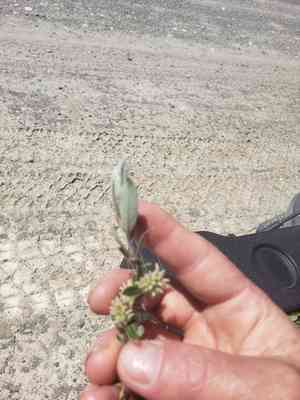
Images of Barren-ground willow
Quickly Identify Barren-ground willow
1
Salix brachycarpa can be identified by its shrubby habit, small narrow leaves with a grayish-green upper surface and whitish undersides, and its catkin flowers. The fruit capsules are short and stout.
Scientific Classification of Barren-ground willow
Phylum
Vascular plants
Class
Dicotyledons
Order
Malpighiales
Family
Willow
Genus
Willows
Species
Barren-ground willow
Planting and Growing of Barren-ground willow
Care Difficulty
Moderate
Watering Schedule
Every 4 days
Sunlight Requirements
Full sun
Sunshine Duration
6-10 hours
Ideal Temperature
55-70℉
Soil Type
Potting Mix, Peat Mix
Soil pH
6.5-7.5
Fertilizer Type
Balanced
Pruning Season
Spring, Summer
Pruning Area
Branches, Leaves
Pruning Frequency
2 times a year
Repotting Season
Spring
Pot Type
Ceramic, Plastic
 How to Water Barren-ground willow?
When watering Salix brachycarpa, it is crucial to ensure that the soil remains consistently moist but not waterlogged. Aim to provide around 500 milliliters of water per session, soaking the soil thoroughly but allowing excess moisture to drain away.
What are the symptoms of an underwatered Barren-ground willow?
›
What should I do if my Barren-ground willow is not getting enough water?
›
What are the symptoms of an overwatered Barren-ground willow?
›
How to save an overwatered Barren-ground willow?
›
 What Are the Sunlight Requirements for Barren-ground willow?
Salix brachycarpa performs optimally with a light range involving full to partial sunlight, providing benefits such as strong leaf coloration and resistance to environmental stresses due to improved photosynthetic activity.
How does Salix brachycarpa thrive best?
›
How can you achieve this ideal light condition?
›
What are the benefits of receiving ideal light?
›
 What Is the Ideal Temperature Range for Barren-ground willow?
The ideal temperature range for Salix brachycarpa is between 55 to 70°F. This range provides optimal conditions for growth and development, ensuring healthy foliage and robust growth. Outside of this range, the plant may experience slower growth or stress.
 What Soil is Best for Barren-ground willow?
Salix brachycarpa thrives in soil that retains moisture well, ensuring consistent hydration for optimal growth and photosynthesis. The soil should not dry out completely as this may lead to stress for the plant. Rich, nutrient-laden soil fosters robust root development and vibrant foliage in Salix brachycarpa. A mix of organic matter and minerals can enhance soil fertility, essential for the plant's overall health and growth. While moisture retention is key, the soil must also provide good drainage to prevent root rot in Salix brachycarpa. The balance between drainage and moisture retention ensures the plant's roots receive enough oxygen and do not stay submerged.
 How to Fertilize Barren-ground willow?
For Salix brachycarpa, a balanced fertilizer such as 10-10-10 or 20-20-20 is suitable. Use approximately 1/4 cup of liquid fertilizer per plant, carefully diluted in water, making sure to prevent direct contact with the foliage to avoid burn.
 How to Prune Barren-ground willow?
Begin by cutting away any dead or damaged branches as these can harbor pests and diseases. Make cuts just above a healthy bud or branch junction. Regularly thin out overcrowded branches, focusing on crossing or rubbing branches. This will help improve air circulation and light penetration, promoting a healthier plant. Trim back overly long or unruly branches to maintain the desired shape and size of your Salix brachycarpa. Encourage a more rounded and balanced growth by making cuts at strategic internodes.
More About Pruning Techniques→
 How to Propagate Barren-ground willow plant?
1
Harvest seeds from mature capsules in late autumn. Ensure seeds are dry before storing them for spring sowing to improve germination success.
2
Select healthy stems from the plant, and use sharp shears to cut 6-8 inch sections. Ensure that each cutting has at least two nodes for optimal root development.
3
Divide the plant by carefully uprooting and separating clumps of roots. This is best done in early spring to allow the plant to establish roots before the growing season.
 How to Repot Barren-ground willow plant?
1
You should consider repotting Salix brachycarpa when you notice roots circling at the bottom of the pot, a decrease in growth rate, or if the soil begins to break down, affecting its drainage. These signs typically indicate that the plant has outgrown its container and requires more space for healthy root development.
2
Selecting a pot for Salix brachycarpa should include ensuring it has adequate drainage holes to prevent waterlogging, which could lead to root rot. A slightly larger pot than the current one, about 2 inches wider, will provide the space the roots need to expand. It also helps in maintaining soil moisture consistency.
3
Choosing the right soil for repotting Salix brachycarpa means opting for well-draining loamy soil with a mix of organic matter. This type of soil structure helps retain essential moisture while draining excess water, preventing root rot, and providing the plant with the nutrients it requires for robust growth.



