How to Prune Barclay's willow?
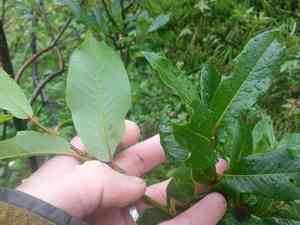
Recognized for its flexible development and delicate, curving limbs, barclay's willow flourishes with consistent trimming. Essential methods involve eliminating deceased or compromised wood, alleviating congested sections to boost air movement, and decreasing stature for aesthetic management. The most suitable periods for pruning are early spring and late winter, aligning with its inactive phase. Trimming boosts the plant's well-being, stimulates robust development, and preserves its appealing structure. Verify that implements are sanitized to avert the spread of pathogens.
Advantages of Trimming Barclay's Willow
Advantages of Trimming Barclay's Willow
Barclay's willow benefits from trimming by encouraging robust development and maintaining its form. Pruning aids in managing the plant's dimensions, enhancing its look and ensuring healthy growth. Furthermore, it boosts resistance to pests and diseases, leading to a more resilient and visually appealing plant.
Optimal Time for Pruning Barclay's Willow
Optimal Time for Pruning Barclay's Willow
Pruning barclay's willow in early spring or late winter is ideal as the plant is dormant, thereby reducing stress. During these seasons, stored energy in roots and stems can be redirected to new growth when spring arrives. Pruning before the growth cycle resumes promotes healthy development and ensures quick wound healing as the plant's growing season begins. Additionally, pruning at this time helps avoid disrupting later flowering or fruiting periods.
Tools Required for Pruning Barclay's Willow
Hand Pruners
Essential for making clean cuts on smaller branches, typically up to 1 inch in diameter. Bypass pruners are recommended for their clean cut that promotes faster healing.
Loppers
Ideal for cutting through thicker branches, generally up to 2 inches in diameter. Their long handles provide extra reach and leverage.
Pruning Saw
Necessary for trimming larger branches that cannot be handled by hand pruners or loppers. A folding pruning saw is portable and efficient for clean cuts.
Pole Pruner
Useful for reaching high branches without the need for a ladder. It combines a pruner and saw on an extendable pole for versatile pruning.
Hedge Shears
Can be used for shaping and trimming younger, more flexible growth. They are effective for maintaining a tidy appearance.
How to Prune Barclay's Willow
Inspection
Carefully examine barclay's willow to identify and mark dead or diseased branches. Look for signs such as discoloration, brittleness, or fungal growth.
Selection
Choose the trimming tool (pruning shears or a saw) appropriate for the size of the branches to be removed. Ensure they are clean and sharp to make precise cuts.
Cutting dead branches
Remove dead branches by cutting back to healthy tissue or the nearest healthy branch. Make clean cuts close to the parent limb without leaving stubs.
Removing diseased branches
Cut diseased branches well below the affected area, ideally at least 6 inches into healthy wood. Dispose of the diseased material away from the garden to prevent further spread.
Sterilization
After each cut on diseased branches, sterilize pruning tools with a disinfectant solution to avoid cross-contamination.
Common Pruning Mistakes with Barclay's Willow
Over-pruning
Excessively cutting back a large portion of barclay's willow can stress the plant and lead to weak growth or dieback. It's important to remove only about one-third of the plant's overall growth per year.
Incorrect Cuts
Making cuts that are too close to the main stem or at the wrong angle can damage barclay's willow, causing potential entry points for diseases and pests. Ensure cuts are clean and made at a slight angle to encourage proper healing.
Pruning at the Wrong Time
Although the best season for pruning is mentioned elsewhere, itâs crucial to understand that even within the appropriate season, extreme weather conditions can make it risky to prune barclay's willow. Avoid pruning during periods of extreme heat or frost.
Ignoring Disease and Pests
Failing to properly sanitize pruning tools can spread diseases and pests. Always clean tools before and after pruning barclay's willow to maintain plant health.
Common Pruning Tips for Barclay's Willow
Use Sharp Tools
Ensure your pruning shears are sharp to make clean cuts, minimizing damage to barclay's willow. Dull tools can create jagged cuts that heal poorly.
Remove Dead or Diseased Wood
Start by cutting away any dead or diseased branches to prevent the spread of pathogens. This also helps in assessing the plantâs shape and what needs additional pruning.
Thin Out Crowded Branches
Remove overcrowded branches to improve air circulation and light penetration, reducing the risk of fungal infections and promoting healthier growth in barclay's willow.
Cut Back to a Bud
Make cuts just above a bud that is facing outward. This encourages new growth to spread outward rather than inward, promoting a more open and balanced structure in barclay's willow.
Step Back and Assess
Periodically step back and look at barclay's willow from different angles to ensure a balanced and aesthetically pleasing shape. This approach helps avoid over-pruning and miscalculations in shaping.



