How to Prune Bermuda palm?
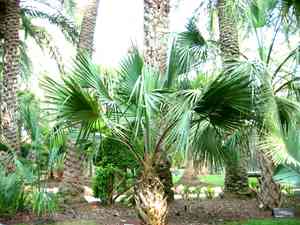
The Bermuda palm is distinguished by its palmate foliage and sturdy stem. Trimming should occur from late winter through early spring. Gently detach any withered or compromised fronds and any offshoots to preserve a tidy look and encourage vigorous development. Refrain from over-pruning to avert strain. Consistent, measured trimming diminishes pest problems and elevates the plant's visual attractiveness. Adhere to regional directives to guarantee appropriate upkeep customized for your locale.
What Are the Benefits of Pruning Bermuda Palm?
What Are the Benefits of Pruning Bermuda Palm?
Trimming bermuda palm encourages robust development and helps maintain its form. It improves air circulation, lowers pest and disease risks, and promotes healthier leaf growth. Regular trimming enhances the plant's overall appearance and prevents it from becoming overgrown or exceeding its designated area.
What Is the Best Time for Pruning Bermuda Palm?
What Is the Best Time for Pruning Bermuda Palm?
Pruning bermuda palm in early spring and late winter is optimal, as these periods allow the plant to recover quickly before its active growth phase. During these times, bermuda palm is typically not in its peak growth, which lessens the chance of stressing the plant. Furthermore, trimming in late winter or early spring helps remove any winter damage and prepares the plant for vigorous growth in the warmer months ahead. This timing ensures bermuda palm's optimal health and longevity, while also fostering a more controlled and attractive shape.
What Tools Do I Need to Prune Bermuda Palm?
Hand Pruners
Crucial for making precise cuts on small fronds and stems. Perfect for maintaining the plant's shape and eliminating dead or damaged fronds.
Loppers
Useful for cutting thicker stems and branches that hand pruners cannot manage. Offers better leverage and extended reach.
Pruning Saw
Essential for cutting through the thicker, tougher bases of older fronds. Ensures clean cuts without harming the plant.
Long-Handled Pole Pruners
Advantageous for reaching higher fronds without needing a ladder. Helps maintain safety during pruning.
Protective Gloves
Important for shielding your hands from sharp edges and potential pests while pruning.
How to Prune Bermuda Palm
Assessment
Inspect bermuda palm for diseased and dried leaves to determine pruning requirements.
Sanitize tools
Clean and sterilize pruning tools with a solution of one part bleach to nine parts water to prevent disease transmission.
Remove diseased leaves
Cut off diseased leaves at their base, close to the trunk, using sharp pruning shears to minimize harm.
Remove withered leaves
Trim withered leaves at their base, ensuring a clean cut to encourage healthy development.
Dispose properly
Collect all pruned leaves and discard them appropriately to prevent any potential disease from spreading back to bermuda palm.
Common Pruning Mistakes with Bermuda Palm
Over-pruning
Removing too many fronds, especially green or slightly discolored ones, can stress bermuda palm and impede its growth. This may leave the plant susceptible to diseases and pests.
Improper cuts
Using dull or dirty tools can result in jagged cuts, which may heighten the risk of infections. Additionally, cutting too close to the trunk can damage the vascular tissue vital for nutrient transport.
Pruning at the wrong stage
Removing fronds before they are naturally ready to shed can deprive bermuda palm of nutrients being recycled from the aging fronds, which is crucial for the plant's overall health.
Neglecting safety
Failing to wear gloves or other protective gear might lead to injuries due to the sharp edges of the fronds or thorny stems sometimes present in bermuda palm.
Common Pruning Tips for Bermuda Palm
Use sharp, clean tools
Always ensure your pruning shears or saws are sharp and sanitized to make clean cuts and prevent the spread of diseases.
Focus on dead or damaged fronds
Prioritize removing only dead, diseased, or heavily damaged fronds. This minimizes stress on bermuda palm and encourages healthier growth.
Leave green fronds intact
Green fronds are vital for photosynthesis and nutrient absorption. Only remove them if they are severely damaged or if they pose a safety hazard.
Cut at a slight angle
Make angular cuts to prevent water from pooling at the cut site, which reduces the risk of fungal infections and promotes faster healing.
Wear protective gear
Don gloves, long sleeves, and safety glasses to protect yourself from potential injuries caused by the sharp edges of bermuda palm's fronds.



