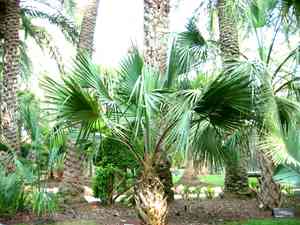
Bermuda palm(Sabal bermudana)

Bermuda palm (Sabal bermudana)

Also known as: Palmetto

Bermuda palms, especially the Bermuda Sabal Palm (Sabal bermudana), are notable for several distinguishing features and uses:

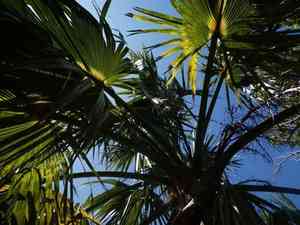
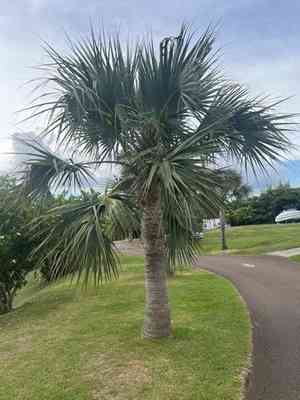
1. **Resilient Fan Leaves**: They possess distinctive fan-shaped leaves that emerge from a bare petiole, giving them a unique aesthetic appeal.

2. **Wildlife Support**: These palms serve as essential food sources for various birds and animals, contributing to local ecosystems.

3. **Cold Resistance**: Bermuda palms are relatively cold-tolerant, allowing them to be cultivated in regions farther north compared to many other palm species.

4. **Ornamental Value**: Their ability to withstand cooler temperatures and harsh coastal conditions makes them ideal for ornamental planting in diverse climates.

These features underscore the Bermuda palm's adaptability and ecological significance, setting them apart from other palm species.

Attributes of Bermuda palm

Lifespan
Perennial
Plant Height
Up to 12 meters
Spread
Up to 3 meters
Leaf Color
Blue-green
Flower Size
Approximately 5 millimeters
Flower Color
White

ForwardPlant - Identify plants with a snap

Identify and diagnose plants, get toxicity alerts, and explore safety guides for all types of fungi.

Try for Free

Images of Bermuda palm

Bermuda palm(Sabal bermudana)

Quickly Identify Bermuda palm

1
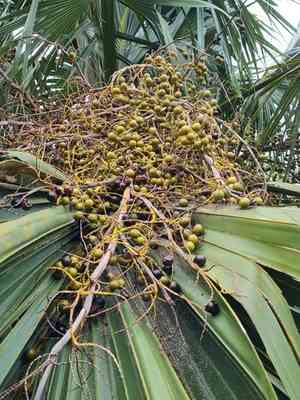
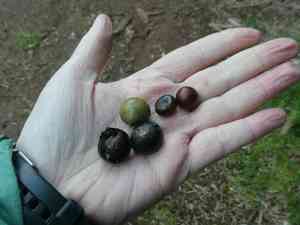
Identify Sabal bermudana by its costapalmate leaves, which are fan-shaped with a central rib. The leaves are blue-green, and the trunk is stout and covered with old leaf bases. The fruit is a small black drupe.

Scientific Classification of Bermuda palm

Phylum
Magnoliophyta
Class
Liliopsida
Order
Arecales
Family
Arecaceae
Genus
Sabal

Planting and Growing of Bermuda palm

Care Difficulty
Easy
Watering Schedule
Every 2 days
Sunlight Requirements
Full sun
Sunshine Duration
4-8 hours
Ideal Temperature
70-85℉
Soil Type
Potting Mix, Peat Mix
Soil pH
6.5-7.5
Fertilizer Type
Balanced
Pruning Season
Spring, Summer
Pruning Area
Branches, Leaves
Pruning Frequency
2 times a year
Repotting Season
Spring
Pot Type
Plastic, Ceramic

water icon How to Water Bermuda palm?

For Sabal bermudana, each watering session should provide around 1000 milliliters of water. Aim to soak the soil thoroughly without water logging it. The topsoil should feel moist but not soggy to ensure adequate hydration without risking root rot.
What are the symptoms of an underwatered Bermuda palm?
What should I do if my Bermuda palm is not getting enough water?
What are the symptoms of an overwatered Bermuda palm?
How to save an overwatered Bermuda palm?

sunlight icon What Are the Sunlight Requirements for Bermuda palm?

Sunlight Requirements: Full sun
Duration of light: 6 to 8 hours
Full sun exposure is optimal, ensuring robust growth and vitality by facilitating efficient photosynthesis and nutrient production.
What is the best placement for Sabal bermudana?
How to ensure consistent sunlight for Sabal bermudana?
Benefits of receiving ideal sunlight conditions?

temperature icon What Is the Ideal Temperature Range for Bermuda palm?

Ideal Temperature: 70 ~ 85℉
The ideal temperature range for Sabal bermudana is between 70°F to 85°F. Within this range, the plant can perform optimally, exhibiting vigorous growth and robust health. The temperature supports both photosynthetic activity and cellular respiration, ensuring all metabolic processes occur efficiently. It's crucial to maintain this temperature range consistently to prevent stress and potential stunting of growth.

soil icon What Soil is Best for Bermuda palm?

Soil type: Loam, Sandy loam, Sandy soil
Soil PH: 6.5 ~ 7.5
Sabal bermudana thrives in well-drained soils that allow for efficient water movement. This condition prevents root rot and ensures the palm has access to air and nutrients, essential for its growth and health. To thrive, Sabal bermudana necessitates soil rich in essential nutrients. Nutrient-rich soils support robust growth, vibrant foliage, and overall plant vigor, by providing the palm with the necessary components it needs for photosynthesis and development. Maintaining moderate moisture levels is crucial for Sabal bermudana, as it ensures that the plant doesn't experience drought stress while also preventing waterlogging. This balance is key to sustaining healthy root systems and steady growth.

fertilize icon How to Fertilize Bermuda palm?

Fertilizer type: Balanced
Sabal bermudana, commonly known as the Bermuda Palmetto, typically requires moderate fertilization. Use a balanced fertilizer, such as a 10-10-10, and apply approximately one cup per application for smaller plants, increasing to two to three cups for mature trees. Adjust the amount based on the plant’s size and soil conditions.

prune icon How to Prune Bermuda palm?

Pruning Time: Spring, Summer, Autumn, Winter
When trimming Sabal bermudana, cut fronds as close to the trunk as possible without damaging the trunk itself. Make a clean, straight cut, avoiding jagged edges which can be a gateway for disease and pests. After pruning, ensure the plant is well-watered and check for signs of stress or shock. Regularly monitor for pest infestations, as the cuts may attract insects. Consider applying a fungicide to the cuts if infections are a concern. More About Pruning Techniques

propagate icon How to Propagate Bermuda palm plant?

Propagate Time: Spring,Summer
1
Before sowing, soak the seeds in water for 24-48 hours to soften the tough outer shell. This will aid in faster germination, allowing moisture to penetrate the seed effectively.
2
Sow the seeds in the moist sterilized potting mix, covering them lightly with the mix. Ensure that temperatures are kept consistently between 70°F to 85°F to encourage germination.
3
Maintain a consistently moist environment by misting the soil regularly, but avoid waterlogging. Overwatering can lead to fungal growth, which is detrimental to young seedlings.
More About Propagating Techniques

repot icon How to Repot Bermuda palm plant?

Repotting frequency: Every 2-3 years
1
Repotting should be considered when you notice roots emerging from drainage holes or if the plant becomes root-bound. Yellowing leaves or stunted growth are also indicators that it's time to give your Sabal bermudana a more spacious home. Observing these signs ensures the plant continues to thrive and remain healthy.
2
Select a pot that is one to two inches larger in diameter than the current one. It should have ample drainage holes to prevent waterlogging. A terracotta pot can be a great option as it allows the soil to dry out faster than plastic, reducing the risk of root rot in this palm species.
3
Opt for a well-draining soil mix to ensure proper aeration. A sandy soil mix enriched with organic material will not only support healthy root growth but also prevent water retention. This soil composition mimics the plant's natural habitat, fostering robust growth and vitality.

ForwardPlant - Identify plants with a snap

Find the best spots for them to optimize their health, simply using your phone.

Try for Free