How to Prune Spiral ditchgrass?
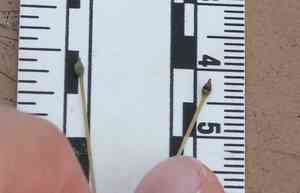
This widely dispersed aquatic vegetation flourishes in brackish water habitats. For spiral ditchgrass, trimming withered leaves and stalks is crucial for preserving its vitality and curbing rapid proliferation. The most suitable periods for pruning extend from spring through autumn, coinciding with the plant's vigorous development stages. Trim to control its dimensions in restricted areas and to eliminate deceased or decaying foliage, thereby boosting light access and diminishing the likelihood of decomposition. Consistent trimming of this variety enhances water circulation and the quality of its aquatic environment.
Advantages of Trimming Spiral Ditchgrass
Advantages of Trimming Spiral Ditchgrass
Trimming spiral ditchgrass encourages robust development and helps maintain a desired shape. Regular cutting can revitalize spiral ditchgrass, ensuring it doesn't dominate aquatic environments.
Optimal Period for Pruning Spiral Ditchgrass
Optimal Period for Pruning Spiral Ditchgrass
The best times for pruning spiral ditchgrass are Spring, Early Summer, and Fall. During these periods, the plant is actively growing, allowing it to recover quickly from pruning and efficiently reallocate resources for new growth. In Spring, pruning removes any winter-damaged or dead material, promoting healthier and more vigorous development. In Early Summer, trimming might be needed to keep spiral ditchgrass at its preferred size and shape, or to remove any non-viable shoots that didn't thrive in Spring. Fall pruning is beneficial for preparing spiral ditchgrass for winter by eliminating parts that could decay and harbor pests or diseases. Importantly, Fall pruning should occur well before the first frost to prevent plant damage. Since spiral ditchgrass lacks a significant flowering or fruiting phase requiring preservation, reproductive considerations are not a primary concern for pruning.
Tools Required for Pruning Spiral Ditchgrass
Aquatic Plant Shears
These scissors, with long handles and sharp blades, enable precise cuts without excessively disturbing the water. Spiral ditchgrass thrives in aquatic settings, and these shears are designed for effective underwater use.
Hand Pruning Clippers
For shaping and trimming spiral ditchgrass that has been taken out of the water or is growing at the water's edge, handheld pruning shears provide a clean cut, ensuring the health of the remaining plant.
Rubber-Coated Gloves
When pruning spiral ditchgrass, wearing rubber-coated gloves is helpful for a secure grip, especially since the environment is wet and can be slippery.
How to Prune Spiral Ditchgrass
Identification
Locate the diseased, withered leaves, and dead or unhealthy branches on spiral ditchgrass that need removal.
Sterilization
Sanitize pruning tools to prevent the spread of diseases to healthy parts of spiral ditchgrass.
Removing dead material
Carefully cut off dead branches and withered leaves from spiral ditchgrass using precise cuts to avoid harming healthy tissues.
Removing diseased material
Eliminate diseased leaves and branches from spiral ditchgrass with clean cuts, ensuring no jagged edges are left that could attract pests or disease.
Disposal
Properly discard all removed material away from healthy plants to prevent disease transmission.
Common Pruning Errors with Spiral Ditchgrass
Excessive Pruning
Removing too much foliage from spiral ditchgrass can deplete its energy reserves, leading to weakened growth or even plant death. Gardeners should avoid cutting more than one-third of the plant at a time.
Incorrect Cutting Technique
Making jagged or torn cuts on spiral ditchgrass can create entry points for pathogens and hinder the healing process. Clean, sharp cuts are vital for the plant's health.
Neglecting Tool Cleanliness
Failing to sterilize pruning tools before use can spread diseases between plants. Gardeners should always clean their tools before and after pruning spiral ditchgrass to prevent disease transmission.
Ignoring Plant Structure
Cutting without understanding the growth habit of spiral ditchgrass can compromise the plant's shape and result in undesirable growth patterns. It's important to recognize the plant's natural form before making cuts.
Pruning Healthy Growth
Unnecessarily pruning vigorous, healthy areas of spiral ditchgrass can limit its potential for spread and impact its overall vitality. Only prune when necessary to remove damaged or overgrown areas.
General Pruning Advice for Spiral Ditchgrass
Utilize sharp instruments
Sharp, clean tools will ensure precise cuts that heal quickly, minimizing potential damage and disease risk to spiral ditchgrass.
Follow natural shape
Observing and maintaining the natural growth pattern of spiral ditchgrass will ensure a more aesthetic appearance and healthier plant structure.
Prune damaged sections
Removing dead, diseased, or damaged portions of spiral ditchgrass will improve the overall health and appearance of the plant and encourage more robust growth.
Thin crowded areas
Thinning dense areas of spiral ditchgrass can improve air circulation and light penetration, leading to healthier growth and decreased disease susceptibility.
Disinfect pruning tools
To prevent the spread of pathogens, disinfect all pruning tools with alcohol or a bleach solution before and after working on spiral ditchgrass.



