
Spiral ditchgrass (Ruppia cirrhosa)
Also known as: Spiral tasselweed, Ditchgrass, Widgeongrass
Ruppia cirrhosa, commonly known as spiral ditchgrass, is an aquatic plant recognized for its slender, elongated flowers. It is native to regions in both America and Europe, thriving in lakes and other freshwater environments.
In This Article
Attributes of Spiral ditchgrass
Lifespan
Perennial
Plant Type
Herb
Plant Height
10 cm to 50 cm
Spread
Not applicable (aquatic plant)
Leaf Color
Green
Flower Size
1 mm to 2 mm
Flower Color
White, or yellowish
Images of Spiral ditchgrass
Quickly Identify Spiral ditchgrass
1
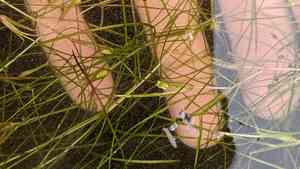
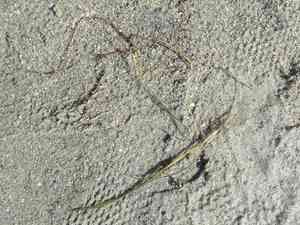
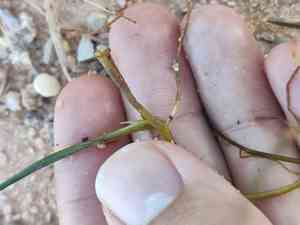
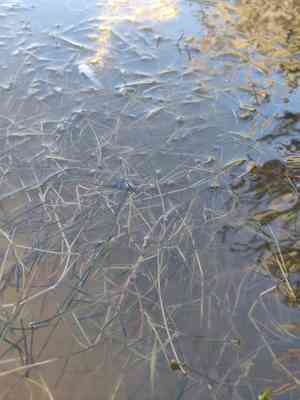
Ruppia cirrhosa can be identified by its thread-like, highly flexible stems and narrow, ribbon-like leaves. The leaves are usually about 1-2 mm wide and can grow up to 20 cm long. It also produces small, inconspicuous flowers that float on the water\'s surface.
Scientific Classification of Spiral ditchgrass
Phylum
Vascular plants
Class
Monocotyledons
Order
Alismatales
Family
Ditch-grass
Genus
Widgeonweeds
Species
Spiral ditchgrass
Planting and Growing of Spiral ditchgrass
Care Difficulty
Hard
Watering Schedule
Every 2 days
Sunlight Requirements
Full sun
Sunshine Duration
6-10 hours
Ideal Temperature
68-77℉
Soil Type
Potting Mix, Peat Mix
Soil pH
6.5-7.5
Fertilizer Type
Balanced
Pruning Season
Spring, Summer
Pruning Area
Branches, Leaves
Pruning Frequency
2 times a year
Repotting Season
Spring
Pot Type
Plastic, Ceramic
 How to Water Spiral ditchgrass?
Ruppia cirrhosa, also known as spiral ditch-grass, thrives in aquatic environments, so it requires a consistent and ample amount of water. When watering, aim to provide approximately 500 milliliters per session. This ensures its roots are submerged, mimicking its natural habitat, and allowing it to absorb nutrients effectively.
What are the symptoms of an underwatered Spiral ditchgrass?
›
What should I do if my Spiral ditchgrass is not getting enough water?
›
What are the symptoms of an overwatered Spiral ditchgrass?
›
How to save an overwatered Spiral ditchgrass?
›
 What Are the Sunlight Requirements for Spiral ditchgrass?
Ruppia cirrhosa ideally thrives in environments offering full or partial sun with 6 to 8 hours of daily exposure. Proper lighting fosters robust growth and ecological contributions.
What is the best lighting condition for Ruppia cirrhosa?
›
How can I achieve these ideal lighting conditions?
›
What benefits come from providing ideal light conditions for Ruppia cirrhosa?
›
 What Is the Ideal Temperature Range for Spiral ditchgrass?
The ideal temperature range for cultivating Ruppia cirrhosa is between 68°F and 77°F. This range supports optimal growth and physiological functions, providing the necessary environment for photosynthesis, respiration, and nutrient uptake. Maintaining this temperature ensures the plant's vitality and productivity.
 What Soil is Best for Spiral ditchgrass?
Ruppia cirrhosa thrives in soils that can retain moisture well since it naturally grows in aquatic or semi-aquatic environments. This allows for consistent nutrient uptake and supports its delicate root system. Soils rich in organic matter like loam are ideal for Ruppia cirrhosa. This nutrient-rich substrate ensures vigorous growth and green foliage, supporting optimal photosynthesis and plant health. Proper soil aeration is crucial for Ruppia cirrhosa, as it prevents root rot and encourages healthy root development. Sandy soils provide excellent drainage, ensuring oxygen reaches the roots efficiently.
 How to Fertilize Spiral ditchgrass?
Ruppia cirrhosa, known for its underwater beauty, thrives with a balanced nutrient application. Liquid fertilizer should be applied at a concentration of 1 ppm (parts per million) to maintain water quality and support growth without causing harm to aquatic life.
 How to Prune Spiral ditchgrass?
Ruppia cirrhosa, commonly found in saline and brackish waters, has a delicate growth pattern with long, slender stems. When pruning, it is vital to gently handle the plant to avoid damaging the stems, which are essential for its buoyancy and growth. Utilize sharp and clean scissors or gardening shears to prune Ruppia cirrhosa. Cut back the longest stems first to maintain a balanced appearance and healthy growth. Ensuring tools are clean will prevent the spread of disease to other plants in the water body.
More About Pruning Techniques→
 How to Propagate Spiral ditchgrass plant?
1
Begin by filling the seed tray with a mixture of fine sand and loamy soil. This mixture provides the necessary nutrients and drainage for the seeds. Ensure the soil is evenly distributed and slightly moistened before sowing the seeds.
2
Scatter the Ruppia cirrhosa seeds evenly across the prepared soil surface. Lightly press them into the soil to ensure good contact, but be careful not to bury them too deeply, as they require light to germinate.
3
Place the seed tray in a location that receives indirect sunlight. Maintain a consistent temperature around 20°C (68°F) and ensure the soil remains consistently moist by misting regularly.
 How to Repot Spiral ditchgrass plant?
1
Ruppia cirrhosa should be repotted when you notice stunted growth, yellowing leaves, or densely packed roots in the current container. These signs indicate that the plant requires more space to thrive. Repotting in Spring or Summer provides the optimal growth conditions.
2
Select a pot that is slightly larger than the current one, ensuring it has drainage holes. A bigger pot provides room for growth while good drainage prevents root rot. Use terracotta or plastic pots for durability and longevity.
3
Ruppia cirrhosa thrives in sandy, aquatic soils. This type of soil provides excellent drainage and mimics natural habitats. The light texture supports root expansion and reduces the risk of soil compaction, crucial for aquatic plants.



