How to Prune Alpine sheep sorrel?
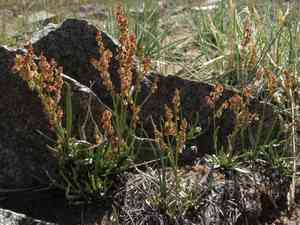
This enduring herb flourishes in mountainous regions, distinguished by its small leaves. Essential trimming methods for alpine sheep sorrel involve eliminating withered or compromised foliage and cutting back excessively long stems to foster robust development. The most effective time for pruning is in late winter or early spring, prior to the emergence of new shoots. Pruning during this period aids in preserving the plant's strength and averting illnesses. Cultivators should be aware that prompt trimming also promotes a denser and more controllable growth pattern for this particular variety.
Advantages of Trimming Alpine Sheep Sorrel
Advantages of Trimming Alpine Sheep Sorrel
Trimming alpine sheep sorrel promotes robust development and maintains its form, crucial for both plant vitality and garden appearance. Strategic cuts enhance air circulation and sun exposure, which are vital for its strength.
Optimal Period for Trimming Alpine Sheep Sorrel
Optimal Period for Trimming Alpine Sheep Sorrel
During late winter, alpine sheep sorrel is typically inactive, and the absence of active growth means the plant can recover from trimming without diverting energy from other essential processes. Trimming in late winter can stimulate vigorous growth as temperatures rise. Trimming in early spring is also effective as it allows gardeners to clearly see the structure of alpine sheep sorrel without a full canopy of leaves, making it easier to make precise cuts. This timing also helps to prevent disease transmission, as many pathogens are dormant in cooler weather. Furthermore, cutting back alpine sheep sorrel before its active growth phase ensures that energy is directed into producing new, healthy growth rather than maintaining older, potentially unproductive or diseased parts of the plant.
Necessary Tools for Trimming Alpine Sheep Sorrel
Bypass Hand Pruners
Perfect for making clean cuts on alpine sheep sorrel, without crushing its relatively thin stems, improving the plant's overall health and encouraging new growth.
Gardening Shears
Useful for shaping alpine sheep sorrel and managing its spread. The sharp blades can easily handle the small, delicate foliage without causing harm.
Gloves
Offer protection from irritation or allergic reactions when handling alpine sheep sorrel, as well as improving grip on trimming tools.
Garden Scissors
Allow precision in removing dead or yellowing leaves from alpine sheep sorrel, which is important for maintaining the plant's appearance and vigor.
How to Trim Alpine Sheep Sorrel
Clean Tools
Before starting, ensure all trimming tools are clean and sharp to prevent the spread of disease and to make clean cuts on alpine sheep sorrel.
Identify
Identify and carefully examine alpine sheep sorrel for diseased and withered leaves that need trimming. Look for any discolored, spotted, or visibly damaged foliage indicative of illness or decay.
Sanitize
Sanitize the trimming shears with alcohol or a household disinfectant before and after cutting diseased leaves to prevent transferring pathogens to healthy parts of alpine sheep sorrel or to other plants.
Cut
Using the trimming shears, carefully snip off the diseased and withered leaves at their base, close to the main stem of alpine sheep sorrel, without damaging healthy tissue. Make cuts at an angle to facilitate water runoff and discourage disease.
Disposal
Collect all removed foliage and dispose of them properly. Do not compost diseased material to avoid spreading any potential pathogens in the garden.
Common Trimming Errors with Alpine Sheep Sorrel
Over-trimming
Excessive removal of foliage which can stress alpine sheep sorrel and potentially reduce its vigor and ability to photosynthesize efficiently.
Incorrect Cut Locations
Cutting too close or too far from the main stem or crown can lead to poor healing and increase susceptibility to disease.
Using Dull Tools
Dull trimming tools can cause jagged cuts that are more prone to infection and can damage the delicate tissues of alpine sheep sorrel.
Trimming Healthy Tissue
Unnecessarily cutting away healthy foliage which can stunt growth and reduce the overall health of alpine sheep sorrel.
Ignoring Dead Material
Failing to remove dead or diseased material that can harbor pests and diseases, potentially affecting the health of alpine sheep sorrel.
General Trimming Advice for Alpine Sheep Sorrel
Sterilize Tools
Always use sterilized trimming tools to prevent the spread of disease when cutting alpine sheep sorrel.
Targeted Trimming
Focus on removing only the dead, damaged, or diseased foliage to maintain the health and aesthetic of alpine sheep sorrel.
Angles Of Cuts
Make cuts at a 45-degree angle to promote proper water runoff and healing, ensuring the cut is clean and smooth.
Follow Natural Shape
Trim alpine sheep sorrel following its natural growth habit for a more aesthetically pleasing shape and to avoid unnecessary stress on the plant.
Post Trimming Care
Provide alpine sheep sorrel with adequate water and potentially a light feed after trimming to support recovery and encourage new growth.



