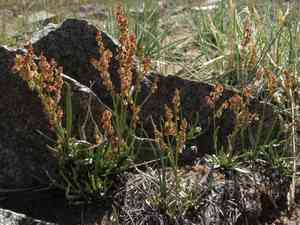
Alpine sheep sorrel (Rumex paucifolius)
Also known as: Few-leaved Dock
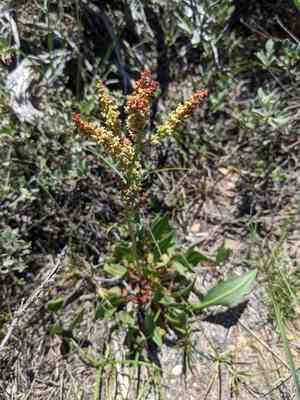
Alpine sheep sorrel is a resilient perennial that thrives in high-altitude environments. It prefers moist, well-drained soils and is commonly found in rocky, mountainous regions. The plant features a basal rosette of elongated, smooth-edged leaves that taper to a point. During its flowering season, it produces small, greenish-brown flowers arranged in clusters along slender stems, giving the plant a delicate yet hardy appearance.
In This Article
Attributes of Alpine sheep sorrel
Lifespan
Perennial
Plant Type
Herb
Plant Height
30–60 cm
Spread
Not applicable (herbaceous plant)
Leaf Color
Green
Flower Size
0.2–0.5 cm
Flower Color
Greenish
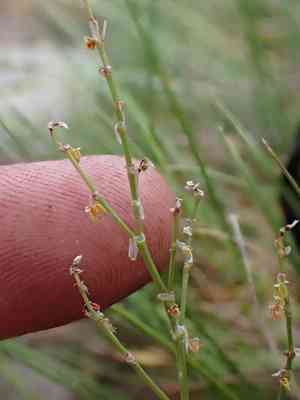
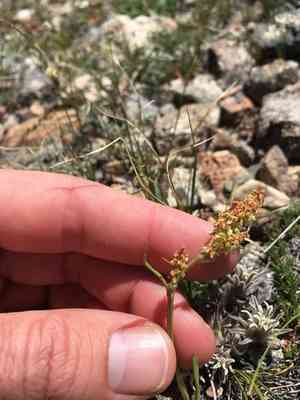
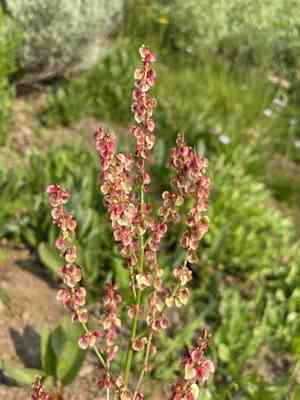
Images of Alpine sheep sorrel
Quickly Identify Alpine sheep sorrel
1
To identify Rumex paucifolius, look for its distinct lance-shaped leaves which are fewer in number compared to other species of dock. It has small, greenish flowers forming in clusters.
Scientific Classification of Alpine sheep sorrel
Phylum
Vascular plants
Class
Dicotyledons
Order
Caryophyllales
Family
Buckwheat
Genus
Docks
Species
Alpine sheep sorrel
Planting and Growing of Alpine sheep sorrel
Care Difficulty
Easy
Watering Schedule
Every 2 days
Sunlight Requirements
Full sun
Sunshine Duration
6-10 hours
Ideal Temperature
60-75℉
Soil Type
Potting Mix, Peat Mix
Soil pH
6-7.5
Fertilizer Type
Balanced
Pruning Season
Spring, Summer
Pruning Area
Branches, Leaves
Pruning Frequency
2 times a year
Repotting Season
Spring
Pot Type
Plastic, Ceramic
 How to Water Alpine sheep sorrel?
For Rumex paucifolius, it's essential to water until the soil is moist but not waterlogged. This means you should aim for about 400 ml of water per session, ensuring it reaches the root zone without leaving excess water sitting in the saucer.
What are the symptoms of an underwatered Alpine sheep sorrel?
›
What should I do if my Alpine sheep sorrel is not getting enough water?
›
What are the symptoms of an overwatered Alpine sheep sorrel?
›
How to save an overwatered Alpine sheep sorrel?
›
 What Are the Sunlight Requirements for Alpine sheep sorrel?
Rumex paucifolius thrives with full to partial sunlight exposure, ideally 6 to 8 hours daily. Such conditions ensure the plant has ample energy for photosynthesis, fostering robust growth and enhancing its overall vitality.
Best Light Conditions
›
Solutions to Achieve Ideal Light
›
Benefits of Ideal Lighting
›
 What Is the Ideal Temperature Range for Alpine sheep sorrel?
The optimal temperature range for Rumex paucifolius is between 60 to 75°F. This range provides the best conditions for growth, ensuring that the plant's metabolic activities are conducted efficiently.
 What Soil is Best for Alpine sheep sorrel?
Rumex paucifolius flourishes best in well-drained soil, which prevents waterlogging. Proper drainage ensures that the roots receive adequate oxygen, promoting healthy growth and preventing root rot. This plant benefits from a nutrient-rich substrate that supports its growth demands. A fertile soil full of organic matter helps supply the nutrients required for robust plant development and vibrant foliage. While Rumex paucifolius can tolerate some drought, it prefers moist soil. Consistently maintaining moderate moisture levels facilitates healthy growth and strengthens the plant's overall resilience.
 How to Fertilize Alpine sheep sorrel?
For Rumex paucifolius, it's important to use a balanced fertilizer, ideally in a 10-10-10 NPK ratio. During the active growing season, apply liquid fertilizer at a rate of roughly one tablespoon per gallon of water, ensuring the solution is adequately diluted. For slow-release fertilizers, follow the packaging instructions for the specific product but generally apply about a tablespoon per square foot of the soil surface.
 How to Prune Alpine sheep sorrel?
Begin by examining the plant for any stems that look dead, diseased, or damaged. Snip these off at the base of the plant, being careful to not cut into healthy sections. Trim back any errant stems that disrupt the natural form of the plant. Cut just above a node to encourage new growth in a direction that maintains the plant's overall structure.
More About Pruning Techniques→
 How to Propagate Alpine sheep sorrel plant?
1
Begin by filling seed trays with a quality seed-starting mix. Ensure the mix is moist but not waterlogged, as excessive moisture can hinder germination. Sow the Rumex paucifolius seeds evenly and cover them lightly with the mix.
2
Dig around the mature plant carefully using a garden spade to lift it from the soil. Gently shake away excess dirt to expose the roots and shoot systems, making the division process easier and more precise.
3
Once germinated or divided, transfer the seedlings or divisions to their designated spots in the garden. Ensure they receive adequate sunlight and water regularly to encourage steady growth and establishment.
 How to Repot Alpine sheep sorrel plant?
1
It's time to consider repotting Rumex paucifolius when you notice that the roots are circling inside the pot or emerging from drainage holes. Another signal is when the plant's growth has notably slowed or water drains too quickly after watering, indicating the soil has compacted and requires refreshing. Ideally, aim for repotting in the spring when the plant is naturally gearing up for a growth spurt.
2
Select a pot that is only one size larger than the current one. Ensure it has adequate drainage holes to prevent waterlogging, which can cause root rot. Opting for a slightly porous material like terracotta can help regulate soil moisture by allowing excess moisture to evaporate, providing a healthier environment for the plant's roots.
3
Use a sandy, well-draining soil mix to mimic the natural environment of Rumex paucifolius. This soil type ensures that excess water can escape, preventing root rot while maintaining enough moisture for the plant's needs. Adding components like perlite or coarse sand can enhance aeration and drainage further, contributing to root health and plant vigor.



