How to Prune Northern dock?
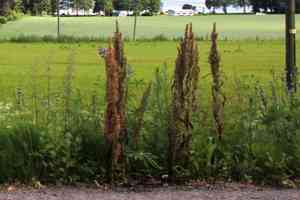
This enduring herbaceous species features extended leaves and a vigorous development pattern. Trimming ought to concentrate on eliminating deceased or compromised foliage to foster robust development and air circulation. The most suitable period for this upkeep is during spring or early summer, coinciding with the plant's energetic growth stage. Particular care must be taken to avert excessive density, which could result in illness. Consistent trimming can boost northern dock's vitality and aesthetic appeal, contributing to a neatly kept garden area.
What Are the Benefits of Pruning Northern Dock?
What Are the Benefits of Pruning Northern Dock?
Trimming northern dock promotes robust development and helps maintain its form. Strategic cuts enhance air flow and sunlight exposure, vital for plant well-being. Regular trimming keeps northern dock visually appealing and at a manageable size, improving its garden presence.
What Is the Best Time for Pruning Northern Dock?
What Is the Best Time for Pruning Northern Dock?
The ideal periods for trimming northern dock are spring and early summer. In spring, northern dock is actively growing, allowing it to recover quickly from cuts and encouraging strong growth. Spring pruning also removes winter-damaged or dead foliage before new growth begins. Early summer trimming is good for shaping and size control before peak summer growth. Pruning before northern dock seeds prevents unwanted spread and directs energy to healthier foliage and roots. Avoid pruning northern dock in late summer or fall, as new growth may not harden sufficiently before cold weather, risking frost damage.
What Tools Do I Need to Prune Northern Dock?
Hand Pruners
Perfect for shaping and trimming northern dock's foliage. They provide precise cuts and can handle stems up to ¾ inches thick, suitable for northern dock's stem size.
Garden Shears
Useful for quickly and efficiently cutting multiple northern dock stems, especially for mature plants with thicker foliage.
Pruning Saw
Required for removing thicker branches that hand pruners cannot manage, ensuring clean cuts without harming the plant.
Long-Handled Loppers
Recommended for reaching into dense northern dock patches without bending, making the pruning process easier on the back while maintaining cut control.
How to Prune Northern Dock
Clean Tools
Before trimming northern dock, ensure all pruning implements are cleaned and sanitized to prevent disease transmission.
Remove Diseased Leaves
Carefully check northern dock for signs of unhealthy leaves. Using sharp pruning shears, cut off any discolored or damaged leaves at their base, avoiding healthy tissue.
Remove Withered Leaves
Identify any dried or dead leaves on northern dock. Gently trim these leaves, ensuring cuts are clean and close to the stem to encourage healthy new growth.
Remove Diseased Stems
Examine northern dock for stems showing disease. Prune these stems to the base or a healthy section, making cuts at a 45-degree angle to aid water runoff and healing.
Dispose Trimmed Material
After trimming northern dock, properly discard all pruned materials, especially diseased ones, to prevent reinfection or spread of disease to other plants.
Common Pruning Mistakes with Northern Dock
Over-Pruning
Removing too much foliage at once can stress northern dock, potentially leading to reduced vitality or even plant demise.
Improper Cut Location
Cuts made too far from or too close to a bud or node can cause unnecessary harm to northern dock, hindering its recovery and growth.
Using Dull Tools
Blunt pruning shears or knives can create ragged cuts that are more susceptible to pests and diseases, negatively impacting northern dock's health.
Pruning Diseased Material
Failing to sanitize tools after removing diseased parts can spread pathogens to healthy sections of northern dock and other plants.
Neglecting Plant Form
Random cutting without considering northern dock's natural shape can result in an unattractive appearance and weaken the plant's structure.
Common Pruning Tips for Northern Dock
Sanitize Equipment
Always clean your pruning tools before and after working on northern dock to prevent disease spread.
Prune To Node
Make cuts just above a leaf node or bud to encourage healthy regrowth. This is crucial for maintaining northern dock's health and structure.
Thin Out Densely Grown Areas
To improve air circulation and light penetration, selectively thin out areas where northern dock's growth is too thick.
Remove Dead Or Damaged Material
Regularly cut away any dead, dying, or damaged foliage to keep northern dock healthy and to prevent disease and pest infestations.
Cut At Angle
Make angled cuts to prevent water from collecting on the cut surface, which could lead to rot or disease in northern dock.



