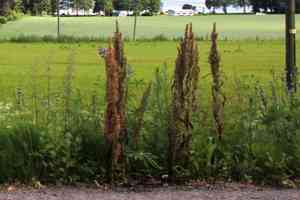
Northern dock (Rumex longifolius)
Also known as: Butter dock
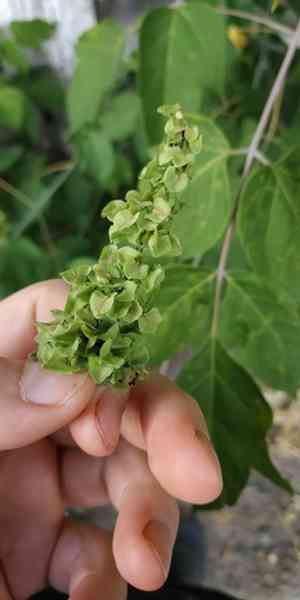
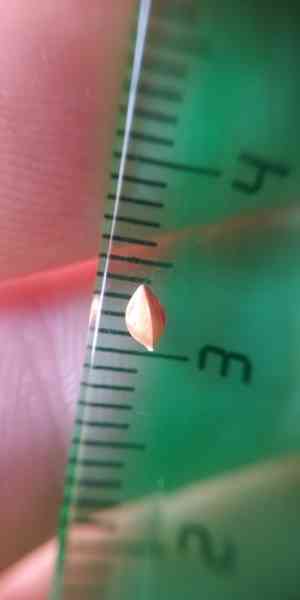
Rumex longifolius is a perennial plant that typically grows between 61 and 119 cm tall. It features large, broad leaves with crinkled, undulating edges. The plant has erect, sturdy stems that remain unbranched until just below the flower clusters. The alternate stem leaves are narrowly ovate to lanceolate with a rounded or tapered base, and the leaf stalks are about the same length as the leaf blades. Its inflorescence is composed of large clusters of racemes containing small, greenish, bisexual flowers. The plant produces a glossy brown nut with a triangular cross section.
In This Article
Attributes of Northern dock
Lifespan
Perennial
Plant Type
Herb
Plant Height
60 cm to 1.2 m
Spread
N/A (Herbaceous plant with no woody crown)
Leaf Color
Dark green
Flower Size
2 mm to 3 mm
Flower Color
Yellow Green Red Brown Orange
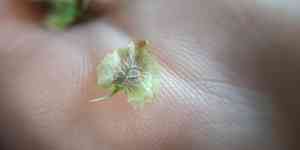
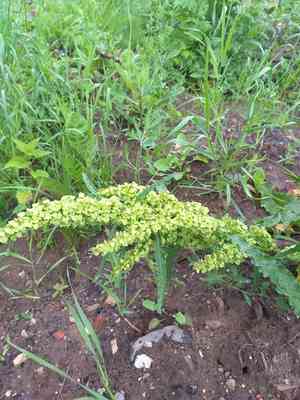
Images of Northern dock
Quickly Identify Northern dock
1
To identify Rumex longifolius, look for its characteristic long and narrow lance-shaped leaves, which can grow up to 30 cm in length. The plant often forms a basal rosette with a central flowering stalk that can reach up to 1 meter in height. Its small greenish or reddish flowers grow in dense clusters.
Scientific Classification of Northern dock
Phylum
Vascular plants
Class
Dicotyledons
Order
Caryophyllales
Family
Buckwheat
Genus
Docks
Species
Northern dock
Planting and Growing of Northern dock
Care Difficulty
Easy
Watering Schedule
Every 2 days
Sunlight Requirements
Partial sun
Sunshine Duration
6-10 hours
Ideal Temperature
60-75℉
Soil Type
Potting Mix, Peat Mix
Soil pH
6.5-7.5
Fertilizer Type
Balanced
Pruning Season
Spring, Summer
Pruning Area
Branches, Leaves
Pruning Frequency
2 times a year
Repotting Season
Spring
Pot Type
Plastic, Ceramic
 How to Water Northern dock?
For Rumex longifolius, water sufficiently so the soil feels moist to the touch but is not waterlogged. A base watering of around 250 milliliters ensures that the soil is evenly moistened without oversaturation. This helps maintain the necessary nutrient uptake and avoids root rot.
What are the symptoms of an underwatered Northern dock?
›
What should I do if my Northern dock is not getting enough water?
›
What are the symptoms of an overwatered Northern dock?
›
How to save an overwatered Northern dock?
›
 What Are the Sunlight Requirements for Northern dock?
Rumex longifolius benefits from partial sun exposure, which promotes robust growth and lush foliage. Maintaining this light level supports optimal photosynthesis and sustains plant health.
More About Sunlight Requirements Techniques→
How much sunlight does it need daily?
›
What happens if it gets too much light?
›
How can I optimize light for my plant indoors?
›
 What Is the Ideal Temperature Range for Northern dock?
For optimal growth, Rumex longifolius thrives in temperatures between 60°F and 75°F. This range ensures proper metabolic function and promotes healthy foliage development, maximizing the plant's potential for robust growth.
 What Soil is Best for Northern dock?
Rumex longifolius thrives in soils that offer good drainage. This prevents waterlogging, which can lead to root rot. Well-drained soils ensure that the roots receive oxygen, promoting healthy growth. This plant benefits from nutrient-rich soils. Loamy soils typically provide a balance of essential nutrients, supporting vigorous foliage and robust root development crucial for the plant’s overall vitality. While Rumex longifolius needs good drainage, it also requires soils that retain enough moisture. Sandy loam is ideal as it holds moisture without becoming soggy, maintaining a consistent supply of water to the roots.
 How to Fertilize Northern dock?
For Rumex longifolius, the amount of fertilizer required should be moderate. Typically, 1/4 strength liquid fertilizer is recommended to avoid over-fertilization. When using solid or slow-release fertilizers, use only 50 grams per square meter to ensure balanced nutrition.
 How to Prune Northern dock?
Begin by removing any dead or dying leaves and stems at the base. Follow by trimming back any leggy or overgrown stems to encourage bushier growth. Make cuts just above a leaf node to stimulate new shoots. Regularly trim to control size and shape, ensuring even sunlight exposure and airflow among the leaves. After pruning, water the plant adequately to reduce shock and aid in recovery. Apply a balanced liquid fertilizer to stimulate rejuvenation and promote vigorous growth. Keep an eye on the plant for any sign of stress or disease following pruning.
More About Pruning Techniques→
 How to Propagate Northern dock plant?
1
Choose a well-draining potting mix that is rich in organic matter. Ensure the soil is moist but not waterlogged before placing seeds or plant divisions into it.
2
Lightly press the seeds into the soil surface and cover them with a thin layer of soil. The seeds should be placed in a warm area with indirect sunlight for optimal germination.
3
Carefully dig up the plant and gently separate the roots and shoots into smaller sections, making sure each division has a healthy root system. Replant the divisions immediately into prepared soil.
 How to Repot Northern dock plant?
1
Rumex longifolius communicates its need for repotting through reduced growth and root crowding. If you notice roots escaping through the drainage holes or a visible slowdown in growth despite proper care, it's time. Typically, this makes spring and autumn ideal seasons as they offer moderate climate conditions for transplantation.
2
When selecting a pot for Rumex longifolius, opt for one that is merely 2-3 inches larger in diameter than the current one. This ensures some room for growth without overwhelming the plant. Moreover, drainage is crucial, so ensure the pot has adequate drainage holes to help prevent waterlogging and subsequent root rot.
3
A well-draining soil mix, rich in organic matter, is essential for Rumex longifolius. The soil should retain some moisture yet simultaneously allow excess water to flow away quickly. A loam-based mix with added compost can provide the necessary nutrients, mimicking the plant’s natural habitat conditions and supporting robust growth.
Toxicity
Ingestion
WARNING
The judgment on toxicity and danger is for reference only. We DO NOT GUARANTEE any accuracy of such judgment. Therefore, you SHALL NOT rely on such judgment. It is IMPORTANT TO SEEK PROFESSIONAL ADVICE in advance when necessary.



