How to Prune Sweet Coneflower?
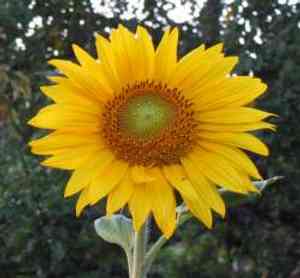
Rudbeckia fulgida, recognized for its golden blossoms and erect, clustered growth, thrives with the removal of spent blooms to stimulate additional flowering and inhibit unwanted self-propagation. Regularly snip off faded flowers. During late autumn or early winter, following the initial frost, trim the foliage down to soil level to foster robust new development in the spring. Throughout the growing season, pruning might involve excising impaired or ailing stalks. Strategic trimming sustains vitality and improves the garden's visual appeal.
What Are the Benefits of Pruning Sweet Coneflower?
What Are the Benefits of Pruning Sweet Coneflower?
Trimming sweet Coneflower promotes abundant flowering and vigorous development, helping it keep an ideal form. This leads to a healthier specimen with enhanced resistance to pests and illnesses, boosting its decorative appeal.
What Is the Best Time for Pruning Sweet Coneflower?
What Is the Best Time for Pruning Sweet Coneflower?
Trimming sweet Coneflower in late winter to early spring aligns with its dormant phase, lessening stress and minimizing sap loss that can occur during active growth. This period helps avoid cutting the plant when it's preparing to bloom. Additionally, the lack of leaves at this time allows for better visibility to make precise cuts. It's also good to prune after the harshest winter weather has passed to prevent damaged or diseased limbs from further cold stress. Pruning in this season also encourages strong growth as the plant directs energy into new development when temperatures rise.
What Tools Do I Need to Prune Sweet Coneflower?
Bypass Pruners
Perfect for making neat cuts on sweet Coneflower stems. The sharp, curved blades of bypass pruners allow for accurate cutting, reducing plant stress and encouraging healthy regrowth.
Gardening Gloves
Protecting your hands is crucial when trimming sweet Coneflower, as it can help prevent scrapes and irritation from plant sap.
Pruning Saw
For thicker, woody stems that bypass pruners can't handle, a pruning saw can make smooth cuts without harming the remaining stem structure.
Long-Handled Loppers
These are useful for reaching deeper into the plant or for cutting through thicker stems of mature sweet Coneflower, providing leverage and greater cutting power.
Garden Shears
These are suitable for trimming and shaping the softer, leafy parts of sweet Coneflower.
How to Prune Sweet Coneflower
Disinfect tools
Before starting, ensure all pruning tools are disinfected to prevent disease spread to or from sweet Coneflower. Use a solution of 1 part bleach to 9 parts water to thoroughly clean the tools.
Remove diseased parts
Carefully inspect sweet Coneflower for any signs of illness. Using sterilized pruning shears, cut away any diseased leaves or branches, making sure to remove the entire affected area to prevent disease spread.
Trim dead material
Identify and remove dead branches and withered leaves from sweet Coneflower. Cut them back to the base or to the nearest healthy stem, taking care not to damage the plant's structure or any emerging buds.
Deadhead flowers
Remove the spent flowers of sweet Coneflower by pinching or snipping off the flower head just below the bloom's base. This will encourage more blooming and maintain a neat appearance.
Cleanup
After pruning sweet Coneflower, collect and dispose of all trimmed material away from the garden to limit the risk of any disease spreading. Clean the tools again using the same bleach solution to prepare them for next use.
Common Pruning Mistakes with Sweet Coneflower
Overzealous cutting
Pruning sweet Coneflower too severely can stress the plant and hinder its ability to thrive. Removing too much foliage at once can shock the plant, reducing its vigor and flowering potential.
Imprecise cuts
Making cuts too far from the node can lead to dead stubs, which can invite disease and pests. Conversely, cutting too close to the node can damage the plant's growth points.
Pruning during active growth
Trimming sweet Coneflower during its peak growing phase can interrupt the natural growth cycle, affecting bloom production and overall health.
Using dull tools
Employing dull pruning shears can cause jagged cuts that damage sweet Coneflower and make it more susceptible to disease.
Ignoring disease prevention
Failing to disinfect tools before and after pruning sweet Coneflower can spread diseases from plant to plant.
Neglecting plant shape
Pruning without considering the natural form of sweet Coneflower may lead to an unbalanced appearance and reduced plant health.
Common Pruning Tips for Sweet Coneflower
Proportionate pruning
Aim to remove no more than one-third of the overall foliage during a pruning session to maintain sweet Coneflower's health and vitality.
Precise cuts
Cut back to just above a leaf bud, ensuring your cuts are clean and angled away from the bud to prevent water accumulation, which could lead to rot.
Clean tools
Always use sharp, clean tools for pruning sweet Coneflower to make precise cuts and reduce the risk of disease transmission.
Disinfect tools
Sterilize your pruning tools before and after using them on sweet Coneflower to minimize disease spread.
Monitor plant health
Regularly inspect sweet Coneflower for signs of damaged or diseased stems and foliage, and prune these areas as needed to maintain plant health.
Consider appearance
Prune sweet Coneflower with its natural shape in mind to encourage a more aesthetically pleasing and balanced growth pattern.



