
Sweet Coneflower (Rudbeckia subtomentosa)
Also known as: Sweet Coneflower, Fragrant Coneflower
The Black-eyed Susan, also known by its Latin name _Rudbeckia fulgida_, is a clumping perennial that showcases bright yellow, daisy-like flowers with dark brown centers. This hardy plant emits a sweet fragrance, is resistant to deer, and looks particularly stunning when planted in large groups.
In This Article
Attributes of Sweet Coneflower
Lifespan
Perennial
Plant Type
Herb
Plant Height
91 cm to 1.5 m
Spread
30 cm to 60 cm
Leaf Color
Green
Flower Size
2.5 cm to 8 cm
Flower Color
Yellow
Images of Sweet Coneflower

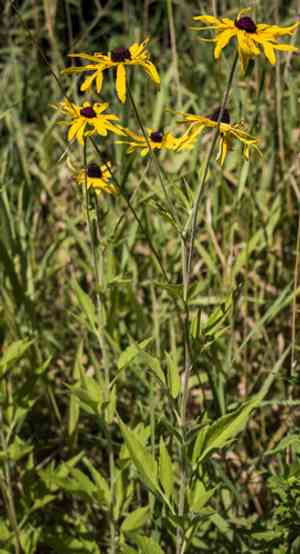
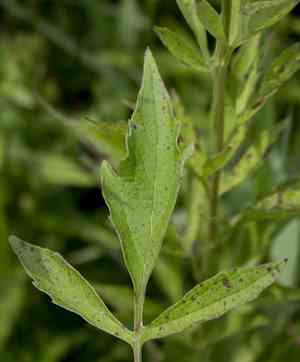

Quickly Identify Sweet Coneflower
1
Upright growth reaching 3-5 feet (0.9-1.5 meters), lanceolate leaves, bright yellow daisy-like flowers with raised central cone.
2
Grey-green leaves with toothed lower edges, downy underside, and coarser texture, along with smaller smooth-edged upper leaves.
3
Bright yellow flowers with purple central disk, 2-3 inches (5-7.5 cm) in diameter, fragrant when crushed.
4
Seed head containing dark, angular seeds without tuft of hairs, aiding in plant identification and propagation.
5
Light green stem with spreading hairs, terete (cylindrical), moderately thick (1/8 to 1/4 inch or 3-6 mm in diameter).
Scientific Classification of Sweet Coneflower
Phylum
Vascular plants
Class
Dicotyledons
Order
Asterales
Family
Daisy
Genus
Coneflowers
Species
Sweet Coneflower
Planting and Growing of Sweet Coneflower
Care Difficulty
Easy
Watering Schedule
Every 8 days
Sunlight Requirements
Full sun
Sunshine Duration
6-10 hours
Ideal Temperature
68-75℉
Soil Type
Potting Mix, Peat Mix
Soil pH
6.5-7.5
Fertilizer Type
Balanced
Pruning Season
Spring, Summer
Pruning Area
Branches, Leaves
Pruning Frequency
2 times a year
Repotting Season
Spring
Pot Type
Plastic, Terracotta
 How to Water Sweet Coneflower?
When watering Rudbeckia subtomentosa, ensure the soil is consistently moist but not waterlogged. This plant appreciates a good soaking, yet it's crucial to let the top inch of soil dry out between waterings to prevent root rot.
What are the symptoms of an underwatered Sweet Coneflower?
›
What should I do if my Sweet Coneflower is not getting enough water?
›
What are the symptoms of an overwatered Sweet Coneflower?
›
How to save an overwatered Sweet Coneflower?
›
 What Are the Sunlight Requirements for Sweet Coneflower?
Rudbeckia subtomentosa thrives best in full to partial sun. With ideal lighting, the plant benefits from robust growth and an extended flowering period, turning your garden into a vivid landscape with minimal maintenance.
More About Sunlight Requirements Techniques→
Optimal Sun Exposure
›
Solutions for Ideal Lighting
›
Benefits of Ideal Conditions
›
 What Is the Ideal Temperature Range for Sweet Coneflower?
Rudbeckia subtomentosa thrives best in temperatures ranging from 68 to 75°F. This range provides an optimal environment for growth, ensuring that physiological processes such as photosynthesis and nutrient uptake occur efficiently. Maintaining this temperature range will support robust plant development and vibrant flowering.
 What Soil is Best for Sweet Coneflower?
Rudbeckia subtomentosa thrives in nutrient-rich soils. The presence of essential nutrients in the soil supports robust growth, vibrant blooms, and overall plant health. This plant prefers well-drained conditions to avoid root rot. Well-draining soil ensures that water does not accumulate around roots, allowing the plant to absorb necessary moisture without suffering from excess. Rudbeckia subtomentosa benefits from soil that retains moisture adequately but is not soggy. This balance keeps the plant hydrated during drier periods while preventing waterlogging.
 How to Fertilize Sweet Coneflower?
For Rudbeckia subtomentosa, a balanced 10-10-10 liquid fertilizer should be diluted to half the recommended concentration on the label. Approximately 1 tablespoon mixed into a gallon of water is ideal for monthly application. Avoid excessive doses to prevent nutrient overload.
 How to Prune Sweet Coneflower?
Begin by removing spent flowers by cutting the stems back to the next lateral bud or leaf. This not only tidies up the plant but also encourages further blooming by preventing the plant from expending energy on seed production. In late autumn, after the first frost, cut the plants back to about 3 inches above the ground. This helps to clean up the garden bed and prepare the plant for a strong start in the coming spring. During the growing season, selectively remove some of the older, thicker stems to allow for better air circulation. This helps reduce the risk of disease and supports the emergence of newer growth.
More About Pruning Techniques→
 How to Propagate Sweet Coneflower plant?
1
Collect seeds from a mature Rudbeckia subtomentosa plant and allow them to dry thoroughly. Once dry, store them in a cool, dark, and dry place until planting season.
2
Fill seed trays with a well-draining potting mix and sow the Rudbeckia subtomentosa seeds lightly covered with soil. Maintain consistent moisture without over-watering until germination occurs.
3
During early spring, dig up mature plants and carefully separate the plant into smaller sections using a sharp garden knife. Replant each section promptly to minimize root exposure.
 How to Repot Sweet Coneflower plant?
1
Look for signs such as roots emerging from the bottom of the pot, soil drying out too quickly, or stunted growth. These signals indicate it's time to repot Rudbeckia subtomentosa, usually in spring or autumn when the plant can recover more quickly.
2
Select a pot that is one size larger than the current one and has adequate drainage holes. This ensures the roots have room to grow and prevents waterlogging, which can lead to root rot. A slightly bigger pot encourages healthier growth and stability.
3
Choose well-draining loamy soil that retains moisture but allows excess water to escape. Such soil provides essential nutrients while preventing drowning the roots. It ensures that Rudbeckia subtomentosa has access to moisture without the risk of root diseases.
Learn More About Sweet Coneflower Diseases
Anthracnose
Bacterial Leaf Spot
Bacterial Soft Rot
Bacterial Wilt
Black Spot
Chemical Injury
Crown Gall
Cyst Nematode
Damping-off
Downy Mildew
Drought Stress
Fusarium Wilt
Gray Mold
Leaf Spot
Mosaic
Nutrient Deficiency
Nutrient Toxicity
Powdery Mildew
Root Rot
Root-knot Nematode
Rusts
Sooty Mold
Spider Mites
Temperature Stress
Thrips Damage
White Mold



