How to Prune California coneflower?
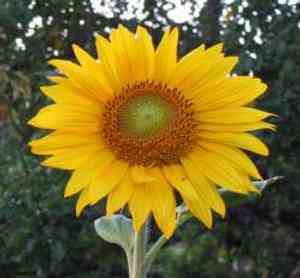
The California coneflower, a notable perennial recognized for its daisy-like yellow blossoms featuring dark cores, thrives with appropriate trimming. The most favorable periods for pruning are early spring and late winter. Sever withered stalks at the soil line to stimulate robust development. Discard faded blooms throughout the flowering period to encourage extended blossoming and inhibit seed production. Consistent trimming enhances air movement, diminishes the likelihood of illness, and boosts flowering. Adhere to these recommendations to sustain a flourishing and lively specimen.
What Are the Benefits of Pruning California Coneflower?
What Are the Benefits of Pruning California Coneflower?
California coneflower thrives with trimming, promoting vigorous growth and maintaining its form. Pruning boosts overall health, enhances blooming, manages size, and reduces pest and disease problems, ensuring strong development and an appealing garden presence.
What Is the Best Time for Pruning California Coneflower?
What Is the Best Time for Pruning California Coneflower?
Trimming california coneflower in late winter or early spring is optimal as this period precedes the plant's active growth phase. Pruning during these seasons helps eliminate any dead or damaged stems from winter, encourages robust new growth, and ensures abundant flowering. Additionally, trimming at these times minimizes the risk of disease and pest issues that can affect fresh cuts, as many pathogens and insects are less active in cooler months.
What Tools Do I Need to Prune California Coneflower?
Hand Pruners
Ideal for precise cuts on stems and spent flowers. Crucial for deadheading california coneflower to stimulate more blooms.
Pruning Shears
Useful for cutting thicker stems and for general plant shaping. Aids in maintaining the plant's structure.
Floral Scissors
Perfect for more detailed tasks, such as removing small, dead parts. Ensures careful handling of california coneflower's delicate components.
Bypass Loppers
Essential for cutting larger, woody stems if the plant has become overgrown. Provides leverage for clean cuts without harming the plant.
Gloves
Protect hands from rough stems and any potential irritants when handling california coneflower. Vital for safe pruning practices.
How to Prune California Coneflower
Inspect
Periodically check california coneflower for any indications of diseased or withered foliage. Look for discoloration, spots, or a droopy appearance.
Prepare tools
Ensure your pruning shears are sterilized to prevent disease transmission. Clean blades with rubbing alcohol before use.
Remove diseased
Carefully cut off any diseased leaves, making sure to trim well below the affected area. Discard these leaves to avoid contamination.
Remove withered
Snip off any withered leaves at the stem's base. Make clean cuts to encourage healthy regrowth and prevent jagged edges.
Monitor
After pruning, observe california coneflower for any further signs of disease or wilting. Repeat the process as needed to maintain plant health.
Common Pruning Mistakes with California Coneflower
Poor technique
Using dull or unsuitable tools can result in ragged cuts susceptible to infection.
Over-pruning
Removing too much of the plant at once can stress california coneflower, impeding growth and flowering.
Wrong cuts
Trimming the incorrect parts of the plant, such as healthy stems or buds, can reduce its overall health and bloom potential.
Timing errors
Pruning at an inappropriate time can lead to a loss of blooms or damage to new growth.
Neglecting plant inspection
Failing to check california coneflower for disease or pest issues before pruning can worsen these problems.
Common Pruning Tips for California Coneflower
Use sharp tools
Ensure your pruning shears are sharp and clean to make precise cuts and minimize disease risk.
Remove dead or diseased wood
Focus on cutting away any dead, damaged, or diseased stems to promote healthier growth.
Prune selectively
Limit the amount of green growth removed to avoid stressing california coneflower. Aim to cut only what is necessary.
Encourage air circulation
Thin out crowded stems to improve airflow, which can help prevent fungal diseases.
Make proper cuts
Cut just above a bud or leaf node at a slight angle to encourage new growth and prevent water from settling on the cut surface.
Inspect regularly
Periodically check california coneflower for signs of pests or disease to catch problems early and address them promptly.



