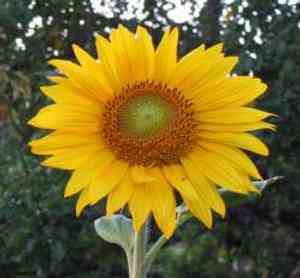
California coneflower (Rudbeckia californica)
Also known as: California coneflower
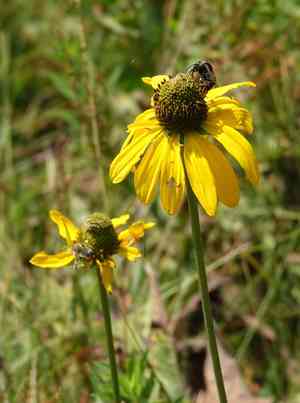
The California coneflower is a resilient perennial known for its striking yellow, daisy-like flowers with a prominent dark brown center. To thrive, it prefers environments with full sun to partial shade. The plant's sturdy stems and lance-shaped leaves support its vibrant blooms, which are attractive to pollinators like bees and butterflies, benefiting local ecosystems. It does best in well-drained soil and typically blooms from late summer into the fall.
In This Article
Attributes of California coneflower
Lifespan
Perennial
Plant Type
Herb
Plant Height
90-150 cm
Spread
Not typically measured, as it grows in clusters
Leaf Color
Green
Flower Size
Up to 10 cm
Flower Color
Yellow
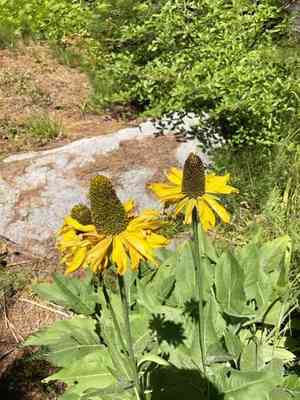
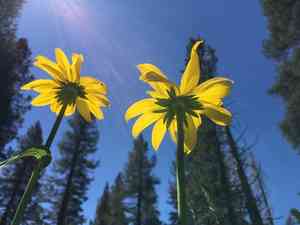
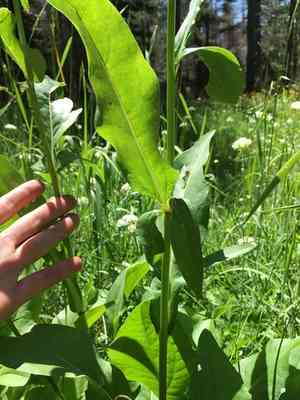
Images of California coneflower
Quickly Identify California coneflower
1
Rudbeckia californica can be identified by its tall stature, deeply lobed leaves, and large yellow flowers with a dark central cone. The leaves are rough and hairy, and the flower heads can be up to 10 cm in diameter.
Scientific Classification of California coneflower
Phylum
Vascular plants
Class
Dicotyledons
Order
Asterales
Family
Daisy
Genus
Coneflowers
Species
California coneflower
Planting and Growing of California coneflower
Care Difficulty
Easy
Watering Schedule
Every 4 days
Sunlight Requirements
Full sun
Sunshine Duration
6-10 hours
Ideal Temperature
60-75℉
Soil Type
Potting Mix, Peat Mix
Soil pH
6.5-7.5
Fertilizer Type
Balanced
Pruning Season
Spring, Summer
Pruning Area
Branches, Leaves
Pruning Frequency
2 times a year
Repotting Season
Spring
Pot Type
Plastic, Ceramic
 How to Water California coneflower?
For Rudbeckia californica, aim to provide about 500 milliliters of water per session. The key is to ensure the soil is evenly moist without being waterlogged. Water sufficiently until you see it beginning to seep out of the drainage holes, indicating the plant has received an adequate supply.
What are the symptoms of an underwatered California coneflower?
›
What should I do if my California coneflower is not getting enough water?
›
What are the symptoms of an overwatered California coneflower?
›
How to save an overwatered California coneflower?
›
 What Are the Sunlight Requirements for California coneflower?
Rudbeckia californica thrives best under a balance of full to partial sunlight. Ideal conditions boost blooming and fortify the plant's natural resistance to pests and diseases.
What is the best spot for Rudbeckia californica?
›
How can I ensure my plant receives enough sunlight?
›
What happens if the plant receives ideal lighting?
›
 What Is the Ideal Temperature Range for California coneflower?
The ideal temperature range for growing Rudbeckia californica is between 60°F and 75°F. These temperatures allow the plant to thrive, promoting healthy growth and vibrant blooming. Maintaining this range ensures that the plant's metabolic processes function optimally, providing an environment conducive to strong root development and flowering potential.
 What Soil is Best for California coneflower?
Rudbeckia californica thrives in nutrient-rich soil. This ensures robust growth and vibrant flowers, benefiting the plant by providing essential nutrients for photosynthesis and overall health. A well-draining soil is crucial for Rudbeckia californica to prevent waterlogging, which can lead to root rot. This soil requirement ensures that roots receive adequate oxygen, enhancing plant vitality. While drainage is important, retaining enough moisture is also key. The soil should hold adequate moisture between watering, helping the plant to sustain through dry periods and reduce stress.
 How to Fertilize California coneflower?
For Rudbeckia californica, ensure moderation in fertilizer application. Liquid fertilizers should be diluted to half strength during the growing season. A balanced 10-10-10 NPK formulation works wonders, ensuring steady growth without overwhelming the plant.
 How to Prune California coneflower?
Begin pruning Rudbeckia californica in early spring, removing any dead or damaged stems from the previous year. This creates room for new growth. During the summer, deadhead the spent blooms regularly to extend the flowering period and improve the plant's aesthetic appeal. For each bloom, trace back to a leaf node and make a clean cut with sanitized pruning shears. This practice prevents the plant from dedicating unnecessary energy to seed production.
More About Pruning Techniques→
 How to Propagate California coneflower plant?
1
Collect mature seeds from Rudbeckia californica flowers and allow them to dry thoroughly. Once dried, store them in a cool, dry place until you are ready to sow. Before sowing, some gardeners recommend stratifying the seeds to mimic the natural winter conditions, which can enhance germination.
2
Fill seed trays with a quality seed-starting mix and sow Rudbeckia californica seeds on the surface, lightly pressing them into the soil as they need light to germinate. Keep the soil moist and warm, ideally around 70°F (21°C), until germination, which can take 10-20 days.
3
In early spring, dig up established Rudbeckia californica plants. Use a garden fork to gently separate the root ball into smaller sections, ensuring each section has a healthy set of roots and shoots. Replant immediately at the same depth they were growing before.
 How to Repot California coneflower plant?
1
Look for signs such as root-bound plants where roots are coming out of the drainage holes, or when the plant growth slows despite optimal care. An ideal time is during spring or autumn when the plant is actively growing but not in peak bloom.
2
Select a pot that is one to two sizes larger than the current one. Ensure it has adequate drainage holes to prevent water stagnation—which helps reduce root rot risk. A breathable material such as clay is beneficial for allowing moisture exchange and regulating root temperature.
3
Use a well-draining mix enriched with organic matter to provide essential nutrients. Such soil supports robust growth by preventing water retention while offering sufficient aeration and nutrient supply.
Learn More About California coneflower Diseases
Anthracnose
Bacterial Leaf Spot
Bacterial Soft Rot
Bacterial Wilt
Chemical Injury
Damping-off
Downy Mildew
Drought Stress
Fusarium Wilt
Gray Mold
Leaf Spot
Mosaic
Nutrient Deficiency
Nutrient Toxicity
Powdery Mildew
Root Rot
Root-knot Nematode
Rusts
Sooty Mold
Spider Mites
Temperature Stress
Thrips Damage
White Mold



