How to Prune Rose blackberry?
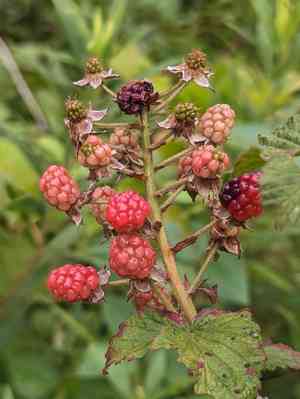
This spiny, fruit-producing bush requires regular upkeep for peak vitality and berry yield. Essential trimming methods involve excising lifeless or ailing stems and reducing dense sections to enhance airflow. Trimming ought to be performed in late winter or early spring, right before new growth begins. Particular focus is necessary to preserve the equilibrium between fruit-bearing stems and emerging shoots. Trimming benefits rose blackberry by increasing fruit dimensions, strengthening plant robustness, and limiting the dissemination of illnesses.
What Are the Benefits of Pruning Rose Blackberry?
What Are the Benefits of Pruning Rose Blackberry?
Trimming rose blackberry promotes robust development and helps maintain its form. Regular cutting reduces density, improves light penetration and air circulation, lowering disease risk and supporting abundant fruit production.
What Is the Best Time for Pruning Rose Blackberry?
What Is the Best Time for Pruning Rose Blackberry?
Pruning rose blackberry in late winter or early spring is optimal as it coincides with the plant's dormant phase, when growth is minimal and its structure is easily assessed. During this period, the likelihood of disease or pest infestation is reduced because open wounds from cuts can heal faster before new growth begins. Furthermore, removing dead or diseased wood and shaping the plant before its growth cycle starts encourages healthy development, ensuring the plant's energy is directed towards producing strong new growth, leading to plentiful flowering and fruiting in subsequent seasons.
What Tools Do I Need to Prune Rose Blackberry?
Hand Pruners
Perfect for clipping thinner stems and canes of rose blackberry. Their precise, clean cuts minimize damage to plant tissues.
Lopping Shears
Rose blackberry can have thicker canes and branches that may require more leverage to cut through. Lopping shears with their long handles provide the necessary leverage and reach.
Pruning Saw
For the oldest and thickest canes of rose blackberry, a pruning saw is essential to make clean cuts through wood too tough for shears.
Gloves with Puncture Resistance
Rose blackberry is known for its thorns. Good hand protection is crucial, and puncture-resistant gloves offer that.
Pruning Sealer
After cutting larger branches of rose blackberry, use a pruning sealer to protect exposed areas from pests and diseases.
How to Prune Rose Blackberry
Sanitization
Before beginning to prune rose blackberry, ensure all tools are properly disinfected to prevent disease spread. Use a solution of one part bleach to nine parts water or a commercial disinfectant to clean pruning shears and saws.
Removal Diseased Parts
Identify and remove all diseased leaves and branches from rose blackberry. Make precise cuts to diseased branches, cutting them back to healthy tissue, ensuring a clean cut without tearing. Remove the diseased material from the area to prevent reinfection.
Removal Dead Material
After removing diseased parts, cut away any dead branches and withered leaves. Use sharp, clean tools to make cuts at a 45-degree angle just above a bud or branching point to promote healthy new growth.
Thinning
Thin out rose blackberry to improve air circulation. Remove some of the inner branches that are crossing or rubbing against each other, which can lead to wounds and subsequent disease.
Maintenance
After pruning, clean the area around rose blackberry, removing any fallen debris. Disinfect your tools again to prevent spreading any undetected diseases to other plants.
Common Pruning Mistakes with Rose Blackberry
Overpruning
Cutting back too much of rose blackberry's growth can weaken the plant, reduce flowering, and make it more susceptible to diseases.
Underpruning
Failing to remove enough of the old canes can lead to a crowded and unproductive plant, where new growth is limited and disease can thrive.
Cutting Healthy Canes
Mistakenly removing healthy, vibrant canes instead of focusing on the dead, diseased, or damaged ones hampers the plant's productivity and bloom potential.
Improper Tools
Using dull or dirty pruning tools can damage the canes of rose blackberry, increasing the risk of disease and pest infestation.
Neglecting Sanitation
Not cleaning the tools between cuts, especially when dealing with diseased canes, can spread pathogens and affect the overall health of rose blackberry.
Inconsistent Pruning
Irregular pruning or skipping annual pruning leads to poor plant form and less vigorous growth.
Common Pruning Tips for Rose Blackberry
Hydrate Before Pruning
Water rose blackberry thoroughly a day before pruning to ensure the plant is hydrated and resilient to the stress of pruning.
Sharp And Clean Tools
Use sharp, sanitized pruning shears or loppers to make clean cuts, which helps rose blackberry recover quickly and reduces the risk of disease.
Angled Cuts
Make cuts at a 45-degree angle just above a bud facing outward to encourage outward growth and prevent water from accumulating on the cut surface.
Thin Out
Focus on thinning out older canes to make room for newer canes, which are more productive and will result in better air flow and light distribution.
Cut At The Base
When removing entire canes, cut them as close to the base as possible without injuring the crown to encourage healthier new growth.
Protective Gear
Wear thick gloves and arm protection when pruning rose blackberry to guard against its thorns and prevent injury.
Post-Pruning Care
After pruning, apply a balanced fertilizer to provide rose blackberry with the nutrients it needs to recover and promote strong growth.



