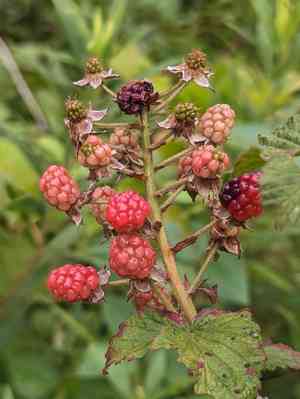
Rose blackberry (Rubus rosa)
Also known as: Rubus-rose
Sorbus americana, commonly known as the American mountain ash, is a flowering plant in the rose family. This species is native to eastern Canada, including Québec, and spans the eastern and central United States, ranging from Maine to North Carolina and extending westward to Nebraska.
In This Article
Attributes of Rose blackberry
Lifespan
Perennial
Plant Type
Shrub
Plant Height
1-2 meters
Spread
1-1.5 meters
Leaf Color
Green
Flower Size
2-5 cm
Flower Color
Pink, white
Images of Rose blackberry

Quickly Identify Rose blackberry
1
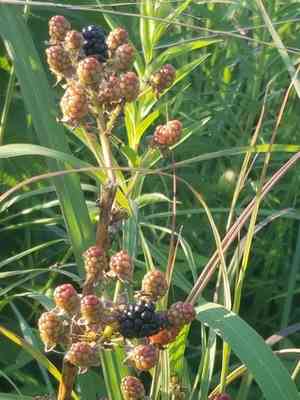
To identify Rubus rosa, look for leaves that resemble those of rose plants, along with fruit that looks similar to raspberries. This plant typically has thorny stems and pink or white flowers.
Scientific Classification of Rose blackberry
Phylum
Vascular plants
Class
Dicotyledons
Order
Rosales
Family
Rose
Genus
Brambles
Species
Rose blackberry
Planting and Growing of Rose blackberry
Care Difficulty
Easy
Watering Schedule
Every 2 days
Sunlight Requirements
Partial sun
Sunshine Duration
6-10 hours
Ideal Temperature
60-75℉
Soil Type
Potting Mix, Peat Mix
Soil pH
5.5-7.5
Fertilizer Type
Balanced
Pruning Season
Spring, Summer
Pruning Area
Branches, Leaves
Pruning Frequency
2 times a year
Repotting Season
Spring
Pot Type
Plastic, Terracotta
 How to Water Rose blackberry?
When watering Rubus rosa, ensure that each session delivers about 500ml of water. This amount helps maintain soil moisture without making it soggy. Watering should be thorough enough to reach the deeper roots, which typically means the soil should remain moist to a depth of at least six inches.
What are the symptoms of an underwatered Rose blackberry?
›
What should I do if my Rose blackberry is not getting enough water?
›
What are the symptoms of an overwatered Rose blackberry?
›
How to save an overwatered Rose blackberry?
›
 What Are the Sunlight Requirements for Rose blackberry?
Partial sun, with exposure to morning sunlight and afternoon shade, covers the ideal light range. This balance aids in vibrant blooms and prevents the risk of overheating or leaf scorch.
How much light does Rubus rosa need?
›
What are ideal solutions for optimal lighting?
›
What are the benefits of ideal lighting conditions?
›
 What Is the Ideal Temperature Range for Rose blackberry?
The ideal temperature range for Rubus rosa is between 60°F and 75°F. Within this range, the plant can thrive and grow optimally. It supports healthy leaf development and promotes flowering, which is crucial for its growth cycle. Consistently maintaining this temperature range can lead to robust growth and improved resistance to pests and diseases.
 What Soil is Best for Rose blackberry?
Rubus rosa thrives best in well-drained soils that prevent waterlogging. This type of soil allows roots to breathe and avoid root rot, thereby promoting healthy growth and abundant fruit production. The plant requires nutrient-rich soil to support its vigorous growth. A soil rich in organic matter supplies essential nutrients, facilitating lush foliage and robust berry development. Rubus rosa benefits from a soil that retains moisture yet drains well. Consistent moisture supports steady plant development and prevents wilting or stress during dry spells.
 How to Fertilize Rose blackberry?
Rubus rosa requires a balanced approach to fertilization. For liquid fertilizers, use about 200ml per plant, ensuring that it is adequately diluted to avoid burning the roots. For solid fertilizers, apply roughly 100g per plant, evenly spread around the base.
 How to Prune Rose blackberry?
Begin by sterilizing your pruning tools to prevent the spread of disease. Identify any dead, damaged, or diseased wood and remove it entirely, cutting back to healthy wood. For canes that have fruited, prune them back to their base to promote new growth. Shape the plant by cutting back excessive growth and ensuring it stays within its desired area. Make clean cuts at a 45-degree angle to prevent water from collecting on cut surfaces, which can lead to rot.
More About Pruning Techniques→
 How to Propagate Rose blackberry plant?
1
Harvest seeds from the berries of mature plants. Clean them thoroughly and dry them before storing or planting to ensure the best germination rates.
2
Choose healthy, disease-free stems and cut just below a node. Each cutting should be approximately 10 to 15 cm long and include multiple nodes.
3
To divide, dig up the entire plant and separate the root ball into several sections ensuring each has a good amount of roots and stems. Replant them immediately in a suitable growing medium.
 How to Repot Rose blackberry plant?
1
It's time to repot if you notice Rubus rosa roots peeking out of the drainage holes, or if its growth has slowed significantly despite appropriate care. These signs indicate the plant is becoming root-bound and needs more space.
2
Select a pot that is slightly larger than the current one, ideally 2-3 inches wider in diameter. This prevents excessive soil that might stay too moist, risking root rot. Ensure it has sufficient drainage holes to allow excess water to escape freely.
3
Opt for a well-drained organic mix, rich in nutrients. This kind of soil supports healthy root growth and promotes better aeration, preventing water retention and root diseases. Adding perlite can enhance drainage.



