How to Prune Molucca bramble?
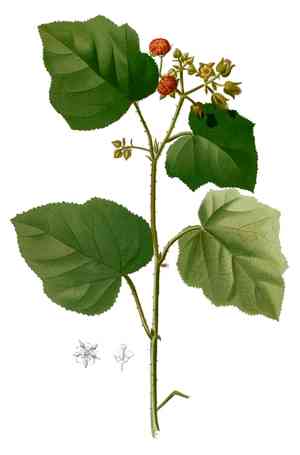
This spiny bush or modest arboreal specimen is recognized for its sprawling habit and palatable produce. For molucca bramble, trimming ought to occur in the colder months to foster robust development and fruit yield. Eliminate lifeless, ailing, or excessively long branches, and thin out congested sections to enhance air movement. Reducing the length of extended shoots can boost output and control the plant's dimensions. Consistent trimming sustains plant vitality and simplifies gathering, simultaneously diminishing havens for undesirable organisms.
What Are the Benefits of Pruning Molucca Bramble?
What Are the Benefits of Pruning Molucca Bramble?
Trimming molucca bramble encourages robust development and helps maintain its intended form. This fosters a more robust structure and permits improved light penetration and air movement, crucial for molucca bramble's vigor.
What Is the Best Time for Pruning Molucca Bramble?
What Is the Best Time for Pruning Molucca Bramble?
From late winter to early spring, molucca bramble is typically in a dormant state, meaning its growth and metabolic processes are minimal. Pruning during this period is less stressful for the plant as it is not actively directing energy into growth, flowering, or fruiting. Additionally, without foliage, molucca bramble's structure is more visible, simplifying strategic cuts. Pruning before new spring growth begins also allows wounds to heal faster, lowering disease risk. This timing helps stimulate strong new growth in spring, as the plant mobilizes its resources, leading to a more vigorous and productive molucca bramble. Furthermore, removing dead or diseased wood at this time helps preserve the plant's overall health.
What Tools Do I Need to Prune Molucca Bramble?
Hand pruners
Molucca bramble frequently produces smaller stems that can be managed with hand pruners. Hand pruners deliver clean cuts and are ideal for trimming smaller branches and twigs. For healthy growth and maintaining the desired shape, regular trimming of excess shoots and canes is advised.
Loppers
For slightly thicker stems and branches of molucca bramble, loppers will be the preferred tool. They offer greater leverage and enable cutting through branches too thick for hand pruners but not thick enough for a saw. This is vital for managing molucca bramble's size and spread.
Pruning saw
When dealing with the oldest and thickest canes of molucca bramble, a pruning saw might be necessary. This will ensure a clean cut through wood that loppers or hand pruners cannot manage. Removing old growth can revitalize molucca bramble and promote new, healthy development.
Gloves and Long Sleeves
Since molucca bramble has thorns, it's important to protect your skin. Use gloves and wear long sleeves to prevent scratches and irritation while pruning.
How to Prune Molucca Bramble
Clean tools
Before you begin pruning, ensure your tools are clean and sharp to prevent disease spread and to make clean cuts that will heal quickly without harming molucca bramble.
Remove withered leaves
Carefully remove any dried-up leaves by gently plucking them off or using small hand pruners, being careful not to damage new buds or nearby healthy leaves on molucca bramble.
Cut dead branches
Identify and remove dead branches by cutting them where they meet healthy wood. Make sure to cut at an angle to allow water to drain and to encourage healing in molucca bramble.
Eliminate diseased branches
Inspect molucca bramble for any diseased branches, which may appear discolored, swollen, or have unusual growths. Cut these branches well below the affected area, ideally back to the main stem or healthy tissue, to stop disease progression.
Dispose of debris
After pruning, promptly discard all removed withered leaves, dead or diseased branches to prevent pests and diseases from spreading in the garden. Do not compost this material as it may contain pathogens harmful to molucca bramble and other plants.
Common Pruning Mistakes with Molucca Bramble
Over-pruning
Removing too much foliage can stress molucca bramble, reducing its ability to photosynthesize and store energy. It's important not to prune more than a third of the plant at a time to prevent stunted growth or plant shock.
Improper cut location
Cutting too far from or too close to the buds can either stimulate unwanted growth or cause dieback. When pruning molucca bramble, it's crucial to make cuts at a 45-degree angle above outward-facing buds.
Ignoring dead material
Failing to remove dead or diseased wood hinders molucca bramble's health and vigor. All dead, diseased, or damaged stems should be pruned to maintain plant health and prevent disease spread.
Using dull tools
Dull pruning tools can cause jagged cuts that are susceptible to pest infestation and disease. It's important to use sharp, clean tools for clean, smooth cuts.
Neglecting sanitation
Not sanitizing pruning tools between cuts and plants can spread diseases. Always clean tools with a disinfectant before moving on to another plant or even another cut on the same plant.
Pruning without a plan
Random or excessive pruning without understanding molucca bramble's growth pattern can lead to an unbalanced shape and potentially inhibit fruit production. Gardeners should have a clear plan before making cuts.
Common Pruning Tips for Molucca Bramble
Health maintenance
Regularly check molucca bramble for dead, diseased, or broken branches and remove them promptly. This keeps the plant healthy and allows for better air circulation.
Encourage fruiting
To promote better fruiting, selectively prune older canes that have already produced fruit, as molucca bramble usually fruits on new growth. This encourages the development of new fruiting canes.
Maintain shape
Molucca bramble can become unruly; guide its growth by selectively pruning to maintain the desired shape and size of the plant. Always cut above a bud that is facing the direction you wish the branch to grow.
Thin out
Thinning out dense areas improves light penetration and air flow, reducing the risk of fungal infections. Remove some of the older canes at the base to allow new shoots to develop.
Promote new growth
Prune molucca bramble to stimulate new growth where you want the plant to become denser. Remember to prune just above a set of leaves or a bud to encourage branching.
Tool selection
Use bypass pruners for smaller stems and loppers or a saw for larger canes. Ensure the tools are appropriate for the size of the branch to facilitate clean cuts.



