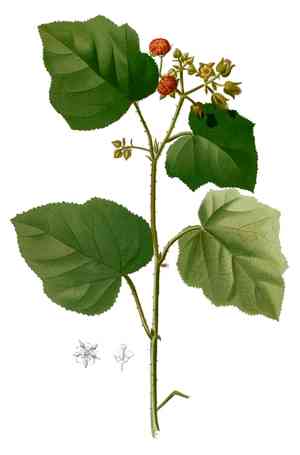
Molucca bramble (Rubus moluccanus)
Also known as: Eelkek, Common queensland bramble, Molucca raspberry
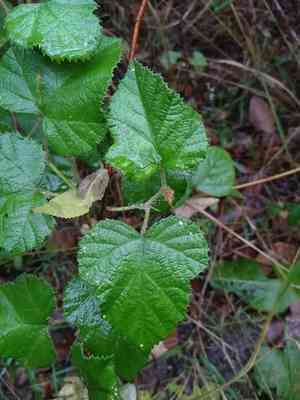
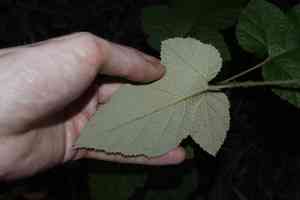
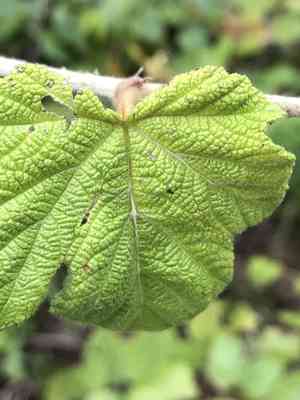
Rubus moluccanus, also known as Molucca bramble or broad-leaf bramble, is a climbing shrub native to the moist eucalyptus forests and rainforests of eastern Australia, spanning from Queensland to Victoria. It is also found in the northeastern Indian states including Assam, Meghalaya, Nagaland, and Arunachal Pradesh. The plant features simple, lobed leaves that range from 2 to 15 cm in length and 3 to 10 cm in width, with a tomentose underside. Its flowers can be pinkish-red or white, and it produces red fruit approximately 1.2 cm in diameter.
In This Article
Attributes of Molucca bramble
Lifespan
Perennial
Plant Type
Shrub
Plant Height
1 m
Spread
Varies, typically spreading
Leaf Color
Green
Flower Size
1.5 cm
Flower Color
White Pink
Images of Molucca bramble
Quickly Identify Molucca bramble
1
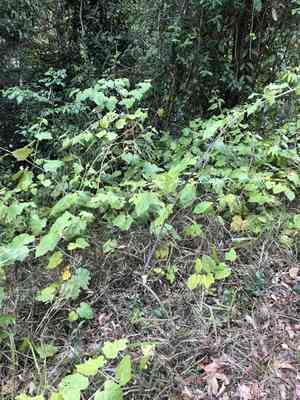
Rubus moluccanus can be identified by its broad, deeply lobed leaves, bristly stems, white or pale pink flowers, and red raspberry-like fruit.
Scientific Classification of Molucca bramble
Phylum
Vascular plants
Class
Dicotyledons
Order
Rosales
Family
Rose
Genus
Brambles
Species
Molucca bramble
Planting and Growing of Molucca bramble
Care Difficulty
Easy
Watering Schedule
Every 4 days
Sunlight Requirements
Partial sun
Sunshine Duration
6-10 hours
Ideal Temperature
68-86℉
Soil Type
Potting Mix, Peat Mix
Soil pH
5.5-7
Fertilizer Type
Balanced
Pruning Season
Spring, Summer
Pruning Area
Branches, Leaves
Pruning Frequency
2 times a year
Repotting Season
Spring
Pot Type
Plastic, Ceramic
 How to Water Molucca bramble?
Rubus moluccanus prefers its soil to be consistently moist but not waterlogged. Aim for around 500 ml of water each time, ensuring the water soaks deeply into the soil, reaching the roots. Allow the top inch of soil to dry out between waterings to prevent fungal issues.
What are the symptoms of an underwatered Molucca bramble?
›
What should I do if my Molucca bramble is not getting enough water?
›
What are the symptoms of an overwatered Molucca bramble?
›
How to save an overwatered Molucca bramble?
›
 What Are the Sunlight Requirements for Molucca bramble?
Partial sun allows Rubus moluccanus to photosynthesize effectively without the harshness of full sun. It achieves lush foliage and a profusion of blooms in these conditions. Ideal light means balanced growth without sacrificing the plant's aesthetic appeal.
How much light does Rubus moluccanus need?
›
What are the solutions to achieve ideal lighting for Rubus moluccanus?
›
What benefits does ideal lighting bring to Rubus moluccanus?
›
 What Is the Ideal Temperature Range for Molucca bramble?
The ideal temperature range for Rubus moluccanus lies between 68°F and 86°F. This range ensures optimal growth, encouraging both leaf and fruit development. Keeping within these temperatures facilitates the plant's natural processes such as photosynthesis and respiration, enhancing overall health and productivity. Maintaining this range is crucial for achieving best results in terms of quality and yield.
 What Soil is Best for Molucca bramble?
Rubus moluccanus requires soil with adequate drainage to prevent waterlogging, which can lead to root rot. Proper drainage ensures that the plant's roots can access oxygen, promoting healthy growth and reducing the risk of disease. This plant thrives in nutrient-rich soils that provide essential minerals and organic matter, supporting robust growth and fruit production. Incorporating compost or well-rotted manure can enhance soil fertility significantly. While Rubus moluccanus appreciates moisture, overly saturated soils can be detrimental. Maintaining a balance helps support consistent water availability, encouraging lush foliage and ample fruiting without stressing the plant.
 How to Fertilize Molucca bramble?
Rubus moluccanus thrives best with a moderate amount of fertilizer. For liquid fertilizers, use a solution of 10-20-10 NPK, diluted to half the recommended strength, applying about 500 ml per plant. Solid fertilizers should be applied as per the soil test recommendations, usually 200-300 grams per plant for slow-release types.
 How to Prune Molucca bramble?
Start by identifying and removing any dead or diseased canes, cutting them back to the base. Next, target the canes that have fruited this year, as they will not produce again. Trim these down to stimulate new growth. Lastly, thin out any crowded or crossing branches to improve air circulation and sunlight penetration, ensuring the plant's overall health. Use sharp and clean pruners to avoid damaging the plant and spreading disease. Always wear protective gloves to guard against the plant's thorns. Disinfect your tools before and after pruning to maintain plant health and prevent the spread of pathogens.
More About Pruning Techniques→
 How to Propagate Molucca bramble plant?
1
Collect seeds from mature Rubus moluccanus fruits. Clean them thoroughly to remove all pulp. Sow the seeds in a sandy, well-drained substrate. Provide indirect sunlight and keep the soil moderately moist. Germination can take several weeks, patience is key.
2
Select a healthy, non-flowering stem with at least three nodes. Cut a 10-15 cm section below a node. Dip the cut end in rooting hormone and plant in a pot with well-draining soil. Ensure consistent moisture and indirect sunlight until established.
3
Choose a low-growing, flexible stem and bend it to touch the ground. Make a small incision in the stem where it meets the soil. Cover this section with soil and keep it moist. Roots should develop in weeks, after which it can be cut from the main plant and potted.
 How to Repot Molucca bramble plant?
1
Rubus moluccanus should be repotted when roots start emerging from the drainage holes, or the growth becomes stunted, indicating cramped space. These signs usually appear after 1-2 years of growth, signaling it's time for a new pot.
2
Select a pot that is 1 to 2 inches larger in diameter than the current one. Ensure it has good drainage holes to prevent waterlogging. A slightly bigger pot encourages healthy root spread without overwhelming the plant, promoting balanced growth.
3
Opt for a well-draining loamy soil mix. This type of soil ensures proper aeration and moisture levels, critical for preventing root rot and encouraging a robust, healthy root system for Rubus moluccanus.



