How to Prune Delicious Raspberry?
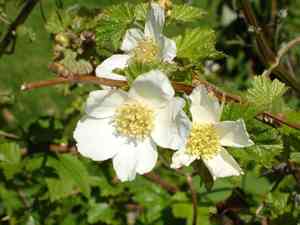
A prickly bush featuring white flowers and palatable berries, delightful Raspberry flourishes when given appropriate attention. To achieve peak vitality and fruit yield, trim in late winter or early spring prior to bud formation. Eliminate any lifeless, ailing, or congested stems, reducing density to enhance airflow. Precise cuts on the remaining stems encourage robust new development. Restricting the quantity of stems fosters bigger, more flavorful fruits. Trimming improves berry excellence and lessens the likelihood of ailments, guaranteeing a plentiful yield.
Advantages of Trimming Delicious Raspberry
Advantages of Trimming Delicious Raspberry
Trimming delicious Raspberry promotes more vigorous development by channeling energy towards new, robust growth. It also aids in maintaining its desired form, ensuring the plant remains visually appealing and manageable in size.
Optimal Time for Pruning Delicious Raspberry
Optimal Time for Pruning Delicious Raspberry
Pruning delicious Raspberry in late winter or early spring is ideal as it coincides with the plant's dormant period, just before new growth emerges. During dormancy, delicious Raspberry has reduced sap flow, minimizing stress and bleeding from cuts. This timing allows for rapid healing as the growth cycle resumes and helps prevent disease spread, which is more prevalent in warmer months. Additionally, without leaves, delicious Raspberry's structure is clearer, enabling more precise pruning. Trimming then encourages vigorous growth and abundant fruit production in the coming season by removing old, diseased, or dead wood, thus directing the plant's energy into producing new, fruit-bearing canes.
Tools Required for Pruning Delicious Raspberry
Hand Pruners
Essential for making clean cuts on delicious Raspberry's canes and removing dead or diseased wood.
Lopping Shears
Useful for cutting through thicker canes of delicious Raspberry that hand pruners may not be able to manage.
Pruning Saw
Helpful for large stems or canes when loppers are insufficient.
Gloves
Protection is necessary to avoid thorns and brambles when handling delicious Raspberry.
Long-sleeved Shirt and Pants
To protect the skin from delicious Raspberry's thorns during pruning activities.
How to Prune Delicious Raspberry
Sterilize Tools
Before pruning delicious Raspberry, ensure all pruning tools are sterilized properly to prevent the spread of disease.
Remove Diseased Leaves
Carefully identify and trim off any diseased leaves from delicious Raspberry, as these can hinder the plant's health and spread infections. Cut the leaves at the base of the stem without damaging healthy parts.
Eliminate Withered Leaves
Look for withered leaves on delicious Raspberry and prune them cleanly at their base. Withered leaves are unproductive and can attract pests or disease.
Thin Canes
Thin out the canes of delicious Raspberry to improve air circulation and sunlight penetration. Remove smaller, weaker canes at the base to favor the growth of stronger ones.
Dispose Trimmed Parts
Dispose of all trimmed parts, especially diseased and withered leaves, away from delicious Raspberry to prevent the possibility of recontamination or infestation.
Common Pruning Mistakes with Delicious Raspberry
Over-Pruning
Removing too much growth at once can stress delicious Raspberry, potentially leading to reduced fruiting and vulnerability to diseases.
Incorrect Cuts
Making cuts that are too close to the main canes or leaving large stubs can result in damage to delicious Raspberry and create entry points for pests and diseases.
Pruning For Shape Only
Focusing on the shape rather than the health of delicious Raspberry may result in removing healthy canes that produce fruit or neglecting to remove dead or diseased ones.
Not Disinfecting Tools
Using tools that have not been disinfected can inadvertently spread disease between plants in the garden.
Neglecting To Thin
Failing to thin out the canes can lead to overcrowding, which decreases air circulation and sunlight penetration, increasing the likelihood of disease.
Common Pruning Tips for Delicious Raspberry
Selective Pruning
Target dead, diseased, or broken canes for removal to improve overall health and encourage robust growth in delicious Raspberry.
Conservative Cutting
Prune no more than one-quarter to one-third of the total growth to avoid overstressing delicious Raspberry and impacting its fruit production.
Correct Angle Cuts
Make clean, angular cuts just above buds, sloping away from the bud to promote healthy new growth and prevent water from collecting on the cut surface.
Clean Equipment
Disinfect pruning tools before and after use to reduce the risk of introducing or spreading pathogens to delicious Raspberry.
Regular Thinning
Thin out dense areas by removing some of the older canes to increase airflow and light exposure, which helps to reduce disease risk and improve fruit quality.



