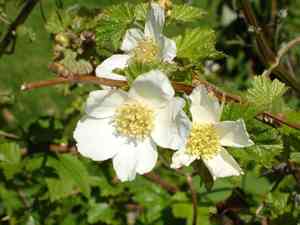
Delicious Raspberry (Rubus deliciosus)
Also known as: Boulder Raspberry, Rocky Mountain Flowering Raspberry
Rubus deliciosus, or the Rocky Mountain raspberry, has a somewhat misleading name since its fruit is quite dry and seedy, not as tasty as one might expect. However, it is a favorite among birds. A notable trait of this plant is its lack of thorns, setting it apart from other berries and roses.
In This Article
Attributes of Delicious Raspberry
Lifespan
Perennial
Plant Type
Vine, Shrub
Plant Height
1.5 m
Spread
1.8 m
Leaf Color
Green Yellow
Flower Size
5 cm to 8 cm
Flower Color
White
Images of Delicious Raspberry
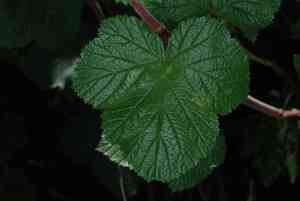
Quickly Identify Delicious Raspberry
1
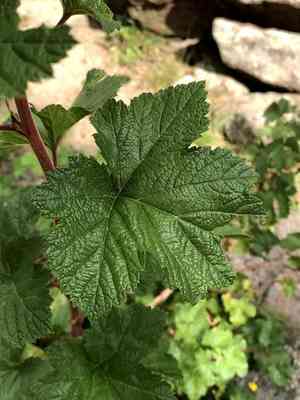
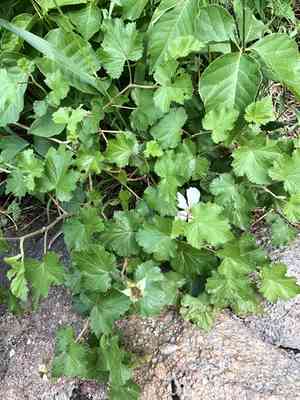
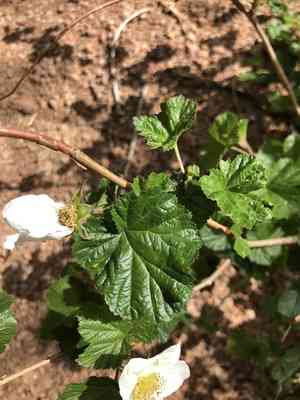
To identify Rubus deliciosus, look for a deciduous shrub with thornless canes, large white flowers that have five petals and are about 2 inches (5 cm) in diameter, and raspberry-like fruits that ripen to a deep red or purplish color.
Scientific Classification of Delicious Raspberry
Phylum
Vascular plants
Class
Dicotyledons
Order
Rosales
Family
Rose
Genus
Brambles
Species
Delicious Raspberry
Planting and Growing of Delicious Raspberry
Care Difficulty
Easy
Watering Schedule
Every 4 days
Sunlight Requirements
Partial sun
Sunshine Duration
6-10 hours
Ideal Temperature
60-75℉
Soil Type
Potting Mix, Peat Mix
Soil pH
6.5-7.5
Fertilizer Type
Balanced
Pruning Season
Spring, Summer
Pruning Area
Branches, Leaves
Pruning Frequency
2 times a year
Repotting Season
Spring
Pot Type
Plastic, Ceramic
 How to Water Delicious Raspberry?
For Rubus deliciosus, make sure the soil is thoroughly moistened by providing about 500ml of water each session. This quantity ensures the soil around the roots remains damp but not waterlogged, promoting a healthy root system.
What are the symptoms of an underwatered Delicious Raspberry?
›
What should I do if my Delicious Raspberry is not getting enough water?
›
What are the symptoms of an overwatered Delicious Raspberry?
›
How to save an overwatered Delicious Raspberry?
›
 What Are the Sunlight Requirements for Delicious Raspberry?
Rubus deliciosus thrives under partial sun conditions. Ideal lighting encourages robust growth, stimulating healthy foliage, bright flowering, and optimal fruit production, contributing to an overall stronger plant structure.
More About Sunlight Requirements Techniques→
What are the ideal light levels?
›
How can you achieve these ideal conditions?
›
What benefits arise from ideal sunlight conditions?
›
 What Is the Ideal Temperature Range for Delicious Raspberry?
The optimal temperature range for growing Rubus deliciosus is between 60°F and 75°F. These conditions provide a favorable environment for photosynthesis, leading to robust growth and healthy fruit production. At these temperatures, the plant's physiological processes operate efficiently, ensuring nutrient uptake and metabolic balance.
 What Soil is Best for Delicious Raspberry?
Rubus deliciosus thrives in nutrient-rich soil that provides essential nutrients for robust growth and abundant flowering. Such soil supports healthy root development and enhances the plant's resistance to stress and pests. Proper drainage is crucial for Rubus deliciosus to prevent root rot. Well-drained soil ensures that water does not pool around the roots, allowing the plant to absorb necessary moisture without over-saturation. A pH range of 6.5 to 7.5 suits Rubus deliciosus well, facilitating optimal nutrient uptake. Maintaining this pH level supports enzymatic activity in the soil, promoting better nutrient absorption and growth.
 How to Fertilize Delicious Raspberry?
For Rubus deliciosus, apply liquid fertilizer at a rate of one tablespoon per gallon of water. This ensures a balanced nutrient supply crucial for its lush growth and abundant flowering.
 How to Prune Delicious Raspberry?
Begin by removing any dead or damaged canes before new growth appears. Focus on cutting back about a third of the older canes to the ground, encouraging the plant to produce fresh growth. This will support a more productive bloom cycle and keep the plant vibrant and healthy. In the summer, after the plant has flowered, trim back the spent blooms and any stems that have become overly long. This not only tidies up the appearance of the shrub but also encourages a tidier growth habit and more light penetration throughout the plant.
More About Pruning Techniques→
 How to Propagate Delicious Raspberry plant?
1
Prepare a well-draining seed starting mix, usually composed of equal parts of peat moss and perlite. This setup provides a balance of moisture retention and drainage which is vital for seed germination.
2
Select a healthy young stem around 4-6 inches long. Make a clean cut using sterilized pruning shears. Remove any leaves on the lower half of the stem to minimize moisture loss and encourage root growth.
3
Choose a lower branch, bend it to the ground, and create a small nick on the underside to expose the cambium. Bury the injured part in the soil while the tip remains above ground, securing it with a U-shaped stake.
 How to Repot Delicious Raspberry plant?
1
You should consider repotting Rubus deliciosus when the roots start circling the pot, indicating that the plant is root-bound. Additionally, if you notice a decline in growth or the soil retains water excessively, it's time to repot.
2
Select a pot that is 2-3 inches larger in diameter than the current one. Ensure it has good drainage to prevent waterlogging, which can cause root rot. A well-chosen pot supports healthy growth and allows roots to expand.
3
Opt for a loamy, well-draining soil mix enriched with organic matter. This type of soil provides excellent aeration, retains adequate moisture, and supplies essential nutrients, fostering strong and healthy plant growth.



