How to Prune Shining rose?
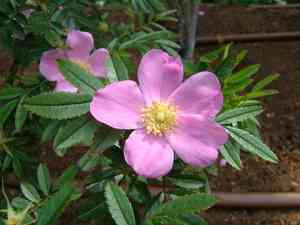
This leafy shrub, recognized for its lustrous foliage and vivid flowers, flourishes with appropriate trimming. For shining rose, the ideal periods are the beginning of spring and the end of winter. Eliminate any lifeless or frail branches, and moderately sculpt the plant to encourage more vigorous development and increased flowering. Refrain from severe cutting, as this can diminish the quantity of blossoms. Trimming not only preserves its form but also fosters abundant flowering and deters ailments. Always employ sanitized, keen implements for optimal outcomes.
What Are the Benefits of Pruning Shining Rose?
What Are the Benefits of Pruning Shining Rose?
Trimming shining rose encourages blossoms, fosters vigorous development, and maintains its form. This practice boosts flowering, enhances overall plant well-being, and preserves desired aesthetics, ensuring robust growth and decreasing susceptibility to pests and diseases.
What Is the Best Time for Pruning Shining Rose?
What Is the Best Time for Pruning Shining Rose?
Pruning shining rose in late winter to early spring, prior to new growth appearing, is optimal as it allows the plant to recover swiftly during the upcoming growing season. This timing ensures the plant's energy is directed towards developing fresh, healthy growth after dormancy, improving overall health and maximizing bloom potential. Pruning at this time also helps eliminate any winter-damaged or diseased wood, promoting a strong and vibrant start to the season.
What Tools Do I Need to Prune Shining Rose?
Bypass pruners
These are perfect for accurate cuts, which aid in preserving the health of shining rose's stems and encourage clean recovery.
Pruning saw
Useful for cutting thicker branches that bypass pruners cannot manage, ensuring complete removal of older wood.
Loppers
Ideal for reaching and cutting branches that are thicker yet still manageable without a saw. They provide the necessary leverage for cleaner cuts.
Gloves
Crucial for protecting hands from thorns and ensuring a firm grip on tools.
How to Prune Shining Rose
Inspect
Carefully examine the plant for any diseased foliage, withered leaves, and dead or ailing branches. Remove these parts first to prevent further disease spread.
Trim diseased leaves
Use sanitized pruning shears to cut away any diseased leaves, cutting as close to the base of the leaf stalk as possible to ensure full removal.
Trim diseased branches
Cut out diseased branches by making a cut just above a healthy bud. Ensure the cut is clean and precise to avoid harming the plant.
Trim dead branches
Remove dead branches by cutting them back to the point where they connect to a living part of the plant. This will encourage healthy new growth.
Deadhead withered flowers
Regularly remove faded flowers by cutting them back to the first set of healthy leaves. This promotes continuous blooming.
Common Pruning Mistakes with Shining Rose
Over-pruning
Removing excessive foliage can stress shining rose, diminishing its flowering potential and overall vitality.
Pruning at the wrong angle
Cutting stems at a straight angle instead of a 45-degree angle can increase the chances of water collecting on the cut surface, leading to rot.
Ignoring dead or diseased wood
Failing to remove dead or diseased branches can spread infection and impede the plant's growth.
Using dull tools
Dull pruning shears can crush stems rather than making clean cuts, which can damage the plant and slow healing.
Incorrect stem selection
Cutting healthy stems or branches indiscriminately rather than targeting old, weak, or overcrowded stems can limit the plant's vitality.
Common Pruning Tips for Shining Rose
Use sharp tools
Always use sharp, clean pruning shears to make precise cuts that heal quickly and minimize damage to shining rose.
Cut at a 45-degree angle
Make cuts at a 45-degree angle away from the bud to prevent water accumulation and reduce the risk of infection.
Remove dead or diseased wood
Regularly inspect shining rose and promptly remove any dead or diseased branches to maintain overall plant health.
Thin out crowded branches
Thin out overcrowded areas to improve air circulation and light penetration, which helps prevent fungal diseases and promotes healthier growth.
Prune above outward-facing buds
Make cuts just above outward-facing buds to encourage growth that spreads outward rather than congesting the center of the plant.



