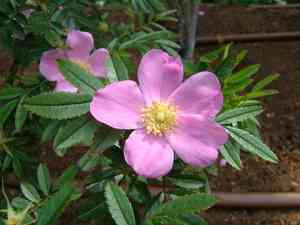
Shining rose (Rosa nitida)
Also known as: Shining Rose
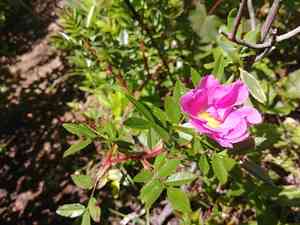
A possible plant that fits your description is the Shining Rose (Rosa species). This deciduous shrub features pinnate leaves with glossy, shiny foliage. It flourishes in moist environments and showcases a rounded shape. In early summer, it produces fragrant, pink flowers. Additionally, its bright red hips appear after blooming and last into the winter, providing a food source for wildlife and adding color to the landscape during the dormant season.
In This Article
Attributes of Shining rose
Lifespan
Perennial
Plant Type
Shrub
Plant Height
1-3 feet
Spread
1-3 feet
Leaf Color
Yellow Red Purple Green
Flower Size
1-2 inches
Flower Color
Purple Pink
Images of Shining rose
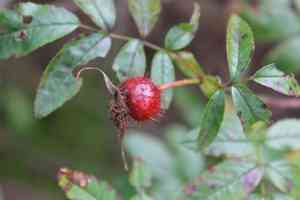
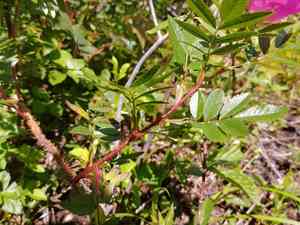
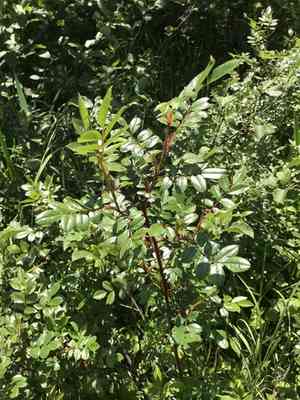
Quickly Identify Shining rose
1
Identify Rosa nitida by its glossy, dark green leaves which turn red in autumn, and by its bright pink, single-petaled flowers that appear in summer. The stems are also covered with bristles and small spines.
Scientific Classification of Shining rose
Phylum
Vascular plants
Class
Dicotyledons
Order
Rosales
Family
Rose
Genus
Roses
Species
Shining rose
Planting and Growing of Shining rose
Care Difficulty
Easy
Watering Schedule
Every 8 days
Sunlight Requirements
Full sun
Sunshine Duration
6-12 hours
Ideal Temperature
60-75℉
Soil Type
Potting Mix, Peat Mix
Soil pH
5.5-7
Fertilizer Type
Balanced
Pruning Season
Spring, Summer
Pruning Area
Branches, Leaves
Pruning Frequency
2 times a year
Repotting Season
Spring
Pot Type
Plastic, Terracotta
 How to Water Shining rose?
Rosa nitida, known for its glossy leaves and vibrant flowers, requires a balanced watering approach. Ensure the soil is evenly moist but not waterlogged, typically needing about 500 ml of water per session to reach an ideal moisture level that reaches the roots without pooling water on the surface.
What are the symptoms of an underwatered Shining rose?
›
What should I do if my Shining rose is not getting enough water?
›
What are the symptoms of an overwatered Shining rose?
›
How to save an overwatered Shining rose?
›
 What Are the Sunlight Requirements for Shining rose?
Partial to full sun exposure is optimal. Ideal light ensures healthy foliage, vibrant blooms, and a resilient plant structure, allowing it to thrive and perform photosynthesis efficiently.
What is the best lighting for Rosa nitida?
›
Where should I place my Rosa nitida for optimal sunlight?
›
How can ideal lighting conditions benefit Rosa nitida?
›
 What Is the Ideal Temperature Range for Shining rose?
The ideal temperature range for cultivating Rosa nitida, commonly known as the shining rose, is between 60°F and 75°F. This range provides optimal conditions for growth, encouraging lush foliage and vibrant blooms. These temperatures reflect the plant's native environment, ensuring that it can maximize photosynthesis and nutrient uptake.
 What Soil is Best for Shining rose?
Rosa nitida thrives in well-drained soil which prevents waterlogging and root rot. Such soil ensures that the plant's roots receive adequate oxygen and prevents nutrient lockout, promoting healthy growth and vibrant blooms. A soil rich in organic matter provides essential nutrients and improves soil structure. For Rosa nitida, organic matter like compost enhances moisture retention while supplying a steady release of nutrients necessary for lush growth. This plant prefers soils with a moderate moisture level, neither too dry nor overly wet. Maintaining this balance is crucial for avoiding stress and ensuring consistent growth and blooming cycles.
 How to Fertilize Shining rose?
Rosa nitida, known for its vibrant pink blossoms, thrives with a balanced approach to fertilizing. For liquid fertilizers, use a water-soluble, balanced 10-10-10 NPK fertilizer at a concentration of 1 tablespoon per gallon of water.
 How to Prune Shining rose?
Begin by removing any dead, damaged, or diseased wood. This step is crucial as it prevents potential diseases from spreading to healthy parts. Look for stems that don't show any signs of buds or leaf growth. Prune to shape the rose bush by cutting back straggly or overly long canes. Aim for an open center to improve air circulation, which reduces fungal issues. Follow the natural shape of the plant for the best aesthetic. When cutting, make your cuts about 1/4 inch above a leaf node at a 45-degree angle. This encourages new growth and helps the plant to heal quickly. Make sure the angle is pointed away from the bud to avoid water accumulation and potential rot.
More About Pruning Techniques→
 How to Propagate Shining rose plant?
1
Collect seeds from ripe fruit in autumn and store them in a cool, dry place until spring. Scarification may be needed to break seed dormancy.
2
Select healthy, semi-hardwood stems in early summer. Cut 6-8 inch sections, remove the lower leaves, and dip in rooting hormone before planting in a moist substrate.
3
In late winter, dig up mature plants and gently separate the roots into smaller sections. Each section should have a healthy shoot and root system before replanting.
 How to Repot Shining rose plant?
1
Rosa nitida requires repotting when its roots outgrow the current pot, often visible through drainage holes. Look for slow growth or wilting leaves as a signal. The best times are early spring or early autumn when the plant is not actively flowering, making it less stressful for the plant to transition.
2
Select a pot that is one size larger than the current one. Ensure it has adequate drainage holes to prevent waterlogging. Ceramic or terracotta pots are excellent choices as they offer breathability and stability, enhancing root health and promoting better growth.
3
Opt for rich, well-draining soil with good organic content. This type of soil retains adequate moisture yet does not suffocate the roots. It provides essential nutrients that Rosa nitida needs to flourish, ensuring robust growth post-repotting.
Learn More About Shining rose Diseases
Anthracnose
Bacterial Leaf Spot
Black Spot
Chemical Injury
Crown Gall
Damping-off
Downy Mildew
Drought Stress
Fusarium Wilt
Gray Mold
Leaf Curl
Leaf Spot
Mosaic
Nutrient Deficiency
Nutrient Toxicity
Powdery Mildew
Root Rot
Root-knot Nematode
Rusts
Sooty Mold
Spider Mites
Temperature Stress
Thrips Damage



