How to Prune Rosa multibracteata?
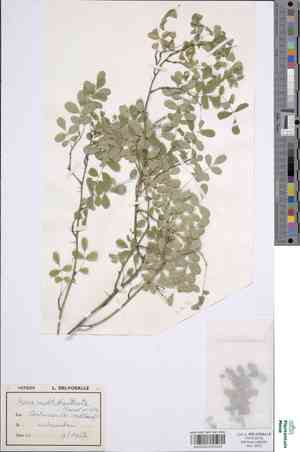
Rosa multibracteata, recognized for its blossoms with multiple bracts, benefits from trimming in the early spring or late winter period. Essential methods involve eliminating deceased or ailing wood, reducing dense branches to enhance air movement, and cutting back to buds facing outward to foster expansive growth. Pruning not only encourages more robust plants but also boosts blooming and general aesthetic appeal. Performing timely pruning aids Rosa multibracteata in flourishing and averts potential problems with diseases.
What Are the Benefits of Pruning Rosa Multibracteata?
What Are the Benefits of Pruning Rosa Multibracteata?
Trimming rosa multibracteata fosters robust and plentiful blossoms, stimulates strong development, and preserves the plant's desired form. Regular trimming aids in size management, enhances air movement, and lessens the likelihood of pests and illnesses.
What Is the Best Time for Pruning Rosa Multibracteata?
What Is the Best Time for Pruning Rosa Multibracteata?
Trimming rosa multibracteata in early spring or late winter is ideal as this period aligns with the plant's natural dormant phase, ensuring minimal stress and encouraging healthy regrowth as it enters its active growth season. Moreover, pruning before new growth emerges helps prevent disease and pest spread, maintains the plant's structure, and promotes more vigorous flowering. These seasons are also perfect because they offer better visibility and access to the plant's branches and structure, allowing for more precise cuts and overall healthier upkeep.
What Tools Do I Need to Prune Rosa Multibracteata?
Hand Pruners
Crucial for making clean cuts on small branches and stems up to 3/4 inch in diameter. Perfect for detailed and accurate trimming tasks.
Lopping Shears
Excellent for cutting thicker branches that hand pruners cannot manage. Loppers can sever branches up to 2 inches in diameter, which is beneficial for shaping and maintaining rosa multibracteata.
Pruning Saw
Required for cutting larger branches that loppers cannot handle. A pruning saw helps maintain the structural integrity of rosa multibracteata and ensures clean cuts on branches exceeding 2 inches in diameter.
Bypass Pruners
Preferred over anvil pruners due to their clean cuts that promote faster healing and less damage to living stems. They are perfect for maintaining healthy new growth on rosa multibracteata.
Pole Pruners
Useful for reaching higher branches without needing a ladder. Essential for safely maintaining the overall shape and height of rosa multibracteata.
Pruning Knife
Ideal for removing suckers and precise cutting in areas needing fine-tuning. A sharp pruning knife helps keep rosa multibracteata neat and encourages the development of healthy shoots.
How to Prune Rosa Multibracteata
Inspection
Start by thoroughly examining rosa multibracteata to identify any diseased leaves, withered leaves, dead branches, diseased branches, and withered flowers.
Remove diseased leaves
Carefully snip off any diseased leaves using sharp, sanitized pruning shears to prevent the spread of pathogens.
Remove withered leaves
Cut away any withered leaves to encourage healthy growth and improve air circulation within the plant.
Remove dead and diseased branches
Trim dead and diseased branches down to the base or to a healthy section of the branch. This helps prevent disease spread and promotes vigorous growth.
Trim withered flowers
Remove any withered flowers to prevent the plant from expending energy on seed production and to encourage new blooms.
Common Pruning Mistakes with Rosa Multibracteata
Over-pruning
Removing too much foliage and stems at once can weaken the plant, reducing its ability to photosynthesize and recover.
Improper cuts
Using dull or inadequate tools can create ragged cuts that are more vulnerable to disease and pests.
Pruning at the wrong time
Trimming at an incorrect stage of the plant's growth cycle can hinder flowering and proper development.
Neglecting sanitation
Not cleaning pruning tools between cuts can spread disease between branches or plants.
Ignoring plant structure
Failing to consider the natural growth pattern can result in an unattractive shape and poor air circulation.
Common Pruning Tips for Rosa Multibracteata
Use sharp tools
Always use sharp, clean tools to make precise cuts and minimize damage to the plant.
Cut at an angle
Make cuts at a 45-degree angle to allow water to run off and prevent rot.
Focus on dead or diseased growth
Remove any dead, diseased, or damaged branches first to improve overall health.
Thin out crowded areas
Ensure branches have enough space to promote air circulation and reduce the risk of fungal infections.
Maintain shape and balance
Prune to maintain the natural form and balance of rosa multibracteata, encouraging thoughtful removal of branches rather than haphazard clipping.



