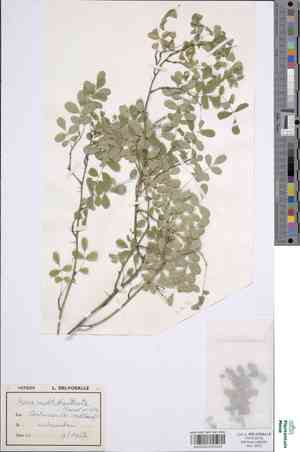
Rosa multibracteata (Rosa multibracteata)
Also known as: Himalayan Bramble, Multi-bracted Rose
Bougainvillea is noted for its thick, bushy growth and vibrant, layer-like bracts that sit beneath delicate pink flowers. These colorful bracts, which can be mistaken for petals, give the plant its striking appearance. It flourishes in warm temperate climates, showing adaptability to different sunlight and soil conditions. The blooms attract pollinators, contributing significantly to the local ecosystem.
In This Article
Attributes of Rosa multibracteata
Lifespan
Perennial
Plant Type
Shrub
Plant Height
2 to 3 meters (6.6 to 9.8 feet)
Spread
Approximately 1.5 meters (4.9 feet)
Leaf Color
Green
Flower Size
2 to 3 cm (0.8 to 1.2 inches)
Flower Color
Pink
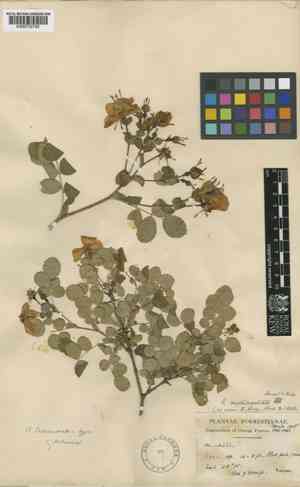
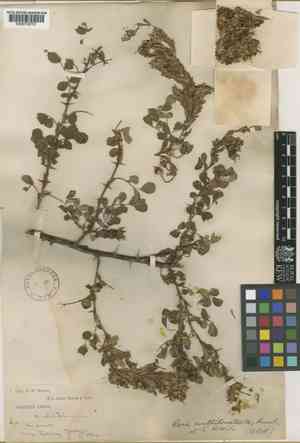
Images of Rosa multibracteata


Quickly Identify Rosa multibracteata
1
Identifying Rosa multibracteata involves looking for its distinctive bracts, which are often present in greater numbers than in other rose species. The leaves are pinnately compound with 5 to 9 leaflets, and the flowers are pink, typically blooming in clusters.
Scientific Classification of Rosa multibracteata
Phylum
Vascular plants
Class
Dicotyledons
Order
Rosales
Family
Rose
Genus
Roses
Species
Rosa multibracteata
Planting and Growing of Rosa multibracteata
Care Difficulty
Moderate
Watering Schedule
Every 4 days
Sunlight Requirements
Full sun
Sunshine Duration
6-10 hours
Ideal Temperature
60-75℉
Soil Type
Potting Mix, Peat Mix
Soil pH
6.5-7.5
Fertilizer Type
Balanced
Pruning Season
Spring, Summer
Pruning Area
Branches, Leaves
Pruning Frequency
2 times a year
Repotting Season
Spring
Pot Type
Terracotta, Plastic
 How to Water Rosa multibracteata?
Rosa multibracteata, known for its lavish blooms, needs a consistent watering approach. Generally, about 500 milliliters per watering session suffices. The amount ensures the soil remains moist without becoming waterlogged, which can lead to root issues. Water should penetrate deeply to encourage robust root systems, yet the top layer must dry out before the next session to prevent saturation.
What are the symptoms of an underwatered Rosa multibracteata?
›
What should I do if my Rosa multibracteata is not getting enough water?
›
What are the symptoms of an overwatered Rosa multibracteata?
›
How to save an overwatered Rosa multibracteata?
›
 What Are the Sunlight Requirements for Rosa multibracteata?
Rosa multibracteata flourishes with full to partial sun exposure. Ideal lighting increases photosynthesis, resulting in lush growth, vibrant blooms, and reinforced plant health, enhancing its decorative appeal and overall vigor.
What is the recommended sunlight exposure for Rosa multibracteata?
›
How to ensure ideal lighting if natural sunlight is insufficient?
›
What are the benefits of ideal lighting conditions?
›
 What Is the Ideal Temperature Range for Rosa multibracteata?
The ideal temperature range for thriving Rosa multibracteata is between 60°F and 75°F. This range provides optimal conditions for photosynthesis and growth. Why is this important? Roses in this temperature range exhibit vigorous growth, increased bloom production, and enhanced disease resistance.
 What Soil is Best for Rosa multibracteata?
Rosa multibracteata thrives in well-draining soil that prevents waterlogged roots, which can cause root rot. Proper drainage ensures the roots receive adequate oxygen and nutrients, promoting healthy plant growth. This rose variety benefits from a soil rich in organic matter. Compost or well-rotted manure can enhance soil fertility, providing the necessary nutrients for abundant blooms and robust foliage. While the soil should drain well, it should also retain enough moisture to keep the plant hydrated. Ensuring a balance prevents the stress associated with drought conditions, enhancing flower production.
 How to Fertilize Rosa multibracteata?
For Rosa multibracteata, it's crucial to apply fertilizers judiciously. When using liquid fertilizers, use a solution with an N-P-K ratio of about 10-10-10. Mix at one-quarter the recommended strength to avoid burning the roots. This helps in promoting balanced growth and healthy blooms.
 How to Prune Rosa multibracteata?
In spring, focus on shaping the plant and removing old wood. During summer, deadhead the spent flowers to encourage more blooms. In autumn, your focus should be on removing any dead wood and preparing the rose for winter dormancy. Too much pruning at once can stress Rosa multibracteata, affecting its overall health and flowering capacity. Aim for a balanced approach, removing no more than one-third at a time.
More About Pruning Techniques→
 How to Propagate Rosa multibracteata plant?
1
Fill seed trays with a suitable growing medium, ensuring good drainage and aeration. Lightly water the medium to prepare it for sowing seeds or inserting cuttings.
2
Select healthy, disease-free stems for cuttings. Cut below a node using sharp pruning shears, ensuring each cutting is about 10-15 cm in length.
3
Sow seeds evenly across the prepared seed tray surface and cover them lightly with a thin layer of the growing medium. Keep the tray in a warm, bright area.
 How to Repot Rosa multibracteata plant?
1
Repot Rosa multibracteata when you notice roots growing through the drainage holes or if the plant seems stunted and thirsty despite regular watering. It usually needs repotting every 2-3 years to ensure adequate space for root development.
2
Select a pot slightly larger than the current one, with good drainage. A slightly larger pot supports healthy root growth, prevents waterlogging, and reduces the need for frequent repotting, giving the plant room to flourish.
3
Choose a well-draining rich soil with a mix of sand, loam, and organic matter. This soil type promotes healthy root growth, prevents water retention issues, and provides essential nutrients, leading to vibrant and healthy blooms.
Learn More About Rosa multibracteata Diseases
Anthracnose
Bacterial Leaf Spot
Black Spot
Crown Gall
Downy Mildew
Fusarium Wilt
Gray Mold
Leaf Curl
Leaf Spot
Mosaic
Powdery Mildew
Root Rot
Root-knot Nematode
Rusts
Sooty Mold
Spider Mites
Thrips Damage
White Mold
Chemical Injury
Drought Stress
Nutrient Deficiency
Nutrient Toxicity
Temperature Stress



