How to Prune Smooth rose?
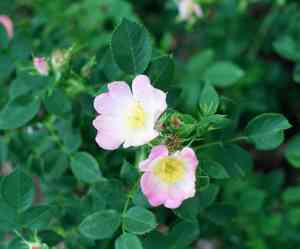
This spiny, leaf-shedding bush, recognized for its rosy blossoms and apple-fragrant leaves, flourishes with proper trimming. Trim smooth rose in late winter or early spring prior to new development. Eliminate dead or compromised stems, thin the inner structure by removing smaller stems, preserve its form, and foster air circulation. Deadhead spent blooms to encourage further flowering. Trimming revitalizes smooth rose, boosting flower output and general well-being. Utilize protective gloves; smooth rose's spines can be pointed.
Advantages of Trimming Smooth Rose
Advantages of Trimming Smooth Rose
Trimming smooth rose promotes more robust, abundant blooms and encourages vigorous development. It aids in maintaining the plant's desired form, enhancing its overall look and vitality in the landscape.
Optimal Time for Pruning Smooth Rose
Optimal Time for Pruning Smooth Rose
The specified periods for pruning smooth rose are considered ideal because late winter and early spring are when the plant is still inactive but preparing for new growth. Pruning during dormancy minimizes sap loss, which can be more significant in actively growing or flowering plants. It also lowers the risk of disease transmission, as many pathogens are less active in cooler temperatures. Trimming in late winter or early spring allows gardeners to shape smooth rose and remove any dead, damaged, or diseased wood before the start of the new growing season. This timing helps to invigorate smooth rose for strong spring growth, improves air circulation to limit fungal diseases, and ensures the plant directs its energy into producing strong, new shoots rather than sustaining old, possibly unproductive or unhealthy wood. It is also beneficial for managing plant size and encouraging flower production, if smooth rose is a flowering variety.
Tools Required for Pruning Smooth Rose
Bypass Pruners
Perfect for making clean cuts on smooth rose's living stems and branches up to 3/4 inch in diameter. Their scissor-like action enables gardeners to cut at precise angles, stimulating healthy regrowth.
Lopping Shears
These are useful for cutting through thicker branches of smooth rose up to 2 inches in diameter. Their long handles provide leverage, making the task less strenuous.
Pruning Saw
When smooth rose has matured and developed branches thicker than 2 inches, a pruning saw becomes essential. It allows for clean cuts without harming the remaining parts of smooth rose.
Gloves
To protect hands from thorns and scratches while pruning smooth rose, durable gloves should be worn. They offer a good grip and prevent injuries.
Pruning Sealer
After making cuts on smooth rose, a pruning sealer can be applied to the wounds to aid healing and prevent disease.
How to Prune Smooth Rose
Sanitize tools
Before starting to prune smooth rose, sanitize all pruning tools to prevent the spread of disease. Use a solution of 1 part bleach to 9 parts water or rubbing alcohol to sterilize the blades.
Remove dead material
Begin by trimming away all dead branches, diseased branches, withered leaves, and withered flowers from smooth rose. Dead or diseased material can often be identified by its discolored, dry, or brittle appearance. Make clean cuts close to the base of the affected parts without damaging healthy tissue.
Thin crowded areas
Thin out congested areas to improve air circulation and light penetration within smooth rose. This involves selecting and removing some branches that are growing too close together, especially if they are crossing or rubbing against one another.
Shape plant
Shape smooth rose by pruning back overgrown branches and stems. Aim for a balanced, open structure that allows light into the plant's center. Avoid heavy pruning in one session; no more than one-third of the plant should be removed at a time.
Cleanup
Once pruning of smooth rose is finished, gather and dispose of all pruned material. This helps to reduce the likelihood of pests and diseases lingering in the area. Clean the pruning tools again after use to ensure they are ready for the next pruning session.
Common Pruning Errors with Smooth Rose
Excessive pruning
Removing too much foliage or too many stems at once can stress smooth rose, potentially leading to reduced flowering or even plant death.
Insufficient pruning
Failing to remove enough dead or diseased wood can hinder the healthy growth and blooming potential of smooth rose.
Incorrect cuts
Making cuts that are too flush against the main stem or leaving large stubs can result in improper healing and infection risks for smooth rose.
Ignoring dead or diseased wood
Neglecting to remove dead or diseased branches can allow pests and diseases to spread throughout smooth rose, compromising its overall health.
Disregarding plant architecture
Not considering the natural shape and growth habit of smooth rose when pruning can result in a less aesthetically pleasing shape and reduced vigor.
General Pruning Advice for Smooth Rose
Sharp tools
Always use clean, sharp pruning shears or loppers to make clean cuts that heal quickly, reducing the risk of disease for smooth rose.
Angle cuts
Make cuts at a 45-degree angle just above an outward-facing bud to promote outward growth and prevent water from collecting on the cut surface of smooth rose.
Selective thinning
Remove select branches to open up the center of smooth rose for better air circulation and sunlight penetration, which reduces disease risk and promotes healthy growth.
Rejuvenation pruning
Periodically perform more aggressive pruning, if needed, to rejuvenate an older smooth rose by cutting back old wood, which encourages fresh growth and flowering.
Consistency
Regularly inspect smooth rose for dead, diseased, or damaged wood and remove it promptly to maintain the plant's health and appearance.



