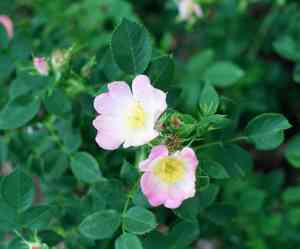
Smooth rose (Rosa blanda)
Also known as: Northern rose
Rosa blanda, or smooth rose, is a flowering plant native to North America. It is often referred to as meadow rose, wild rose, or prairie rose. This species is notable for being one of the closest to a "thornless" rose among rose varieties.
In This Article
Attributes of Smooth rose
Lifespan
Perennial
Plant Type
Shrub
Plant Height
1.2 m to 2 m
Spread
1.5 m to 2 m
Leaf Color
Green
Flower Size
4 cm to 6 cm
Flower Color
Pink Red Purple
Images of Smooth rose

Quickly Identify Smooth rose
1
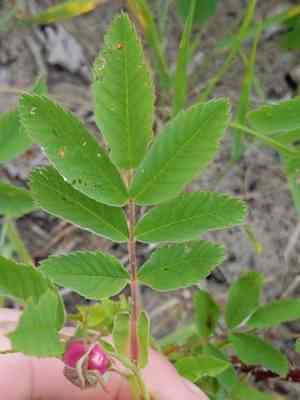
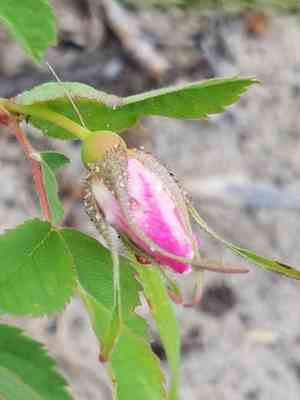
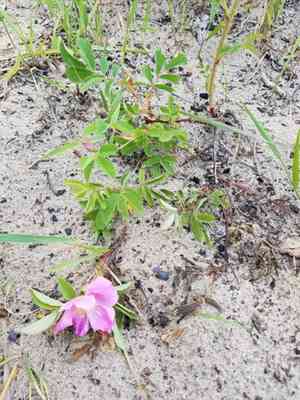
Identify Rosa blanda by its smooth stems which lack the typical thorns found on many rose species, its compound leaves with 5-9 leaflets, and its single, fragrant flowers that are usually pink but can sometimes be white.
Scientific Classification of Smooth rose
Phylum
Vascular plants
Class
Dicotyledons
Order
Rosales
Family
Rose
Genus
Roses
Species
Smooth rose
Planting and Growing of Smooth rose
Care Difficulty
Easy
Watering Schedule
Every 4 days
Sunlight Requirements
Full sun
Sunshine Duration
4-8 hours
Ideal Temperature
59-75℉
Soil Type
Potting Mix, Peat Mix
Soil pH
5.5-7.5
Fertilizer Type
Balanced
Pruning Season
Spring, Summer
Pruning Area
Branches, Leaves
Pruning Frequency
2 times a year
Repotting Season
Spring
Pot Type
Plastic, Ceramic
 How to Water Smooth rose?
For Rosa blanda, it's crucial to water deeply but not too frequently. The goal is to provide enough water to reach the root zone, which is about 500 ml per watering. This keeps the roots hydrated without causing waterlogging.
What are the symptoms of an underwatered Smooth rose?
›
What should I do if my Smooth rose is not getting enough water?
›
What are the symptoms of an overwatered Smooth rose?
›
How to save an overwatered Smooth rose?
›
 What Are the Sunlight Requirements for Smooth rose?
Rosa blanda prefers full sun to partial sun. Ideally, it should receive 6 to 8 hours of sunlight, promoting abundant blooms and healthier growth compared to shadier environments.
More About Sunlight Requirements Techniques→
What is the most suitable light condition for Rosa blanda?
›
How can I ensure ideal lighting for my Rosa blanda?
›
What is the benefit of providing optimal light to Rosa blanda?
›
 What Is the Ideal Temperature Range for Smooth rose?
The ideal temperature range for Rosa blanda lies between 59°F and 75°F. This range facilitates optimal growth, ensuring the plant has the environmental stimuli necessary for processes like photosynthesis and nutrient uptake. Temperatures within this range ensure the plant remains healthy and vibrant, with robust flower production. The consistent warmth in this range allows the plant to allocate resources effectively without stress.
 What Soil is Best for Smooth rose?
Rosa blanda thrives in soils that are well-drained to prevent waterlogging, which could lead to root rot. This requirement ensures that the roots have plenty of oxygen and remain healthy. Having nutrient-rich soil is ideal for Rosa blanda to maintain vibrant foliage and abundant blooming. Using organic matter like compost enhances the soil's nutrient profile and supports plant growth. The soil should retain some moisture but never be soggy. This balance is crucial for sustained plant health and prevents issues like fungal infections and root suffocation.
 How to Fertilize Smooth rose?
When fertilizing Rosa blanda, it's essential to provide proper amounts to avoid overfeeding or undernourishment. For liquid fertilizers, a diluted solution at half the recommended strength, around 1 tablespoon per gallon, is suggested during the active growing season. For slow-release fertilizers, aim for 2 ounces per plant sprinkled evenly around the base, making sure not to pile the fertilizer against the stems.
 How to Prune Smooth rose?
Use sharp, clean pruning shears or loppers to ensure precise cuts without introducing disease. Sanitizing tools with rubbing alcohol between cuts helps prevent the spread of pathogens. Be diligent about this step to protect the health of your Rosa blanda. Start the pruning process by identifying any dead or damaged canes, which are usually darker and brittle. Remove these back to their base to prevent diseases from spreading to healthy parts of the plant. Ensure you cut at an angle to allow water runoff, which minimizes the risk of fungal growth.
More About Pruning Techniques→
 How to Propagate Smooth rose plant?
1
Harvest seeds from mature rose hips in autumn. Clean and dry them thoroughly before storing them in a cool, dry place until ready for planting.
2
Select 6-8 inch long healthy stems when the plant is actively growing. Remove any lower leaves and treat the cut end with rooting hormone.
3
Choose a low-growing, flexible stem. Gently bend it to the ground and cover a section with soil while keeping the tip exposed. Secure it with a stone or pin until roots develop.
 How to Repot Smooth rose plant?
1
You should consider repotting your Rosa blanda when you notice roots growing out of the pot's drainage holes or if the growth seems stunted. Another sign is if water sits on the soil surface for too long, indicating compacted soil. Spring or early summer is ideal as the plant is entering its growth phase.
2
Select a pot that is one to two inches larger in diameter than the current pot. It should have multiple drainage holes to prevent waterlogging, which can lead to root rot. Opt for clay or terracotta pots to allow better air circulation, which supports root health and overall plant vitality.
3
Choose a well-draining, loamy soil mix with equal parts peat, sand, and compost. This will ensure that the roots receive adequate airflow and moisture retention. The organic matter in compost also provides essential nutrients, supporting robust growth in your Rosa blanda.
Learn More About Smooth rose Diseases
Anthracnose
Bacterial Leaf Spot
Black Spot
Chemical Injury
Crown Gall
Damping-off
Downy Mildew
Drought Stress
Fusarium Wilt
Gray Mold
Leaf Curl
Leaf Spot
Mosaic
Nutrient Deficiency
Nutrient Toxicity
Powdery Mildew
Root Rot
Root-knot Nematode
Rusts
Sooty Mold
Spider Mites
Temperature Stress
Thrips Damage
White Mold



