How to Prune Riocreuxia torulosa?
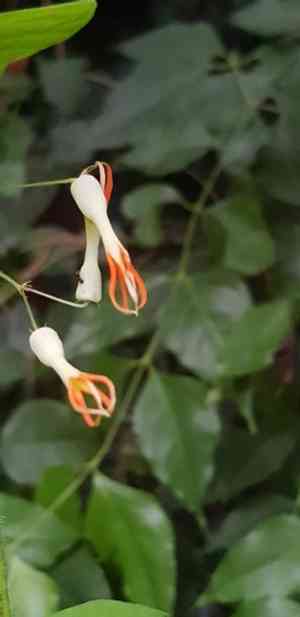
Recognized for its unique tubular blossoms and climbing habit, riocreuxia torulosa thrives with trimming to foster robust development and form. The most suitable periods for pruning are in early spring and late winter, coinciding with its natural growth pattern. Eliminate any deceased or frail stems to boost vitality. Trimming additionally stimulates blooming and curbs excessive expansion. Make certain cuts are precise to lessen the chance of illness. This routine not only preserves the plant's visual charm but also elevates its general well-being and lifespan.
What Are the Benefits of Pruning Riocreuxia Torulosa?
What Are the Benefits of Pruning Riocreuxia Torulosa?
Riocreuxia torulosa benefits from trimming as it encourages robust development and maintains its form. This practice improves overall plant vitality, manages size, enhances appearance, and can lessen vulnerability to pests and diseases.
What Is the Best Time for Pruning Riocreuxia Torulosa?
What Is the Best Time for Pruning Riocreuxia Torulosa?
Trimming or cutting back riocreuxia torulosa is best performed in early spring or late winter. During these periods, the plant is typically in a dormant or less active growth phase, which minimizes stress and lowers the risk of diseases. Additionally, this timing ensures that pruning does not disrupt the flowering or fruiting cycles. Pruning in late winter also allows gardeners to shape the plant before the new growth cycle begins, leading to healthier and more vigorous development in the growing season. These times are optimal as they align with the plant's natural growth rhythm, promoting better overall health and vigor.
What Tools Do I Need to Prune Riocreuxia Torulosa?
Bypass Pruners
Perfect for making clean cuts on living stems, reducing harm and fostering healthy new growth. These are crucial for precise shaping and removing smaller stems of riocreuxia torulosa.
Lopping Shears
Useful for cutting thicker branches that are too large for bypass pruners. They provide the leverage needed to remove mature, woody stems of riocreuxia torulosa.
Pruning Saw
Essential for handling the thickest stems and branches that bypass pruners and lopping shears cannot manage. Offers clean cuts on larger, established parts of riocreuxia torulosa.
Hand Shears
Suitable for light trimming and shaping of small, thin stems. Helps in maintaining the overall look of riocreuxia torulosa.
Pole Pruner
Helpful for reaching higher parts of riocreuxia torulosa without needing a ladder, ensuring safe and efficient pruning of tall or sprawling growth.
How to Prune Riocreuxia Torulosa
Inspect
Thoroughly examine riocreuxia torulosa to identify all diseased and withered leaves.
Sterilize
Sterilize pruning shears with alcohol or a 10% bleach solution to prevent the spread of disease.
Remove Diseased
Carefully remove all identified diseased leaves by cutting them off at the base where they attach to the stem. Ensure you dispose of these leaves away from the plant to avoid reinfection.
Remove Withered
Gently cut away all withered leaves, again making clean cuts at the base. Check that withered leaves are not due to pest infestations; if they are, treat the plant accordingly.
Dispose Waste
Dispose of all trimmed leaves properly, either by burning or through your local waste disposal system, to prevent any potential spread of disease.
Common Pruning Mistakes with Riocreuxia Torulosa
Incorrect technique
Using dull or dirty pruning tools can cause damage to the plant and introduce diseases.
Over-pruning
Removing too much foliage or branches at once can stress the plant and inhibit its growth and flowering.
Poor timing
Pruning at the wrong time can interfere with the plant's natural growth cycle and reduce flowering potential.
Improper cuts
Making cuts that are too close to a bud or leaving too much of a stub can harm the plant and encourage disease.
Common Pruning Tips for Riocreuxia Torulosa
Sharp tools
Always use sharp, clean pruning tools to make precise cuts and avoid damaging the plant.
Moderate pruning
Remove no more than one-third of the plant at a time to prevent stress and encourage healthy growth.
Clean cuts
Make cuts at a slight angle and just above a bud or node to promote proper healing and new growth.
Remove dead wood
Regularly remove any dead, diseased, or damaged branches to keep the plant healthy and encourage vigorous growth.



