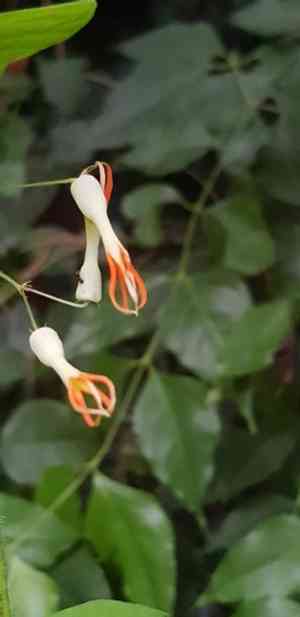
Riocreuxia torulosa (Riocreuxia torulosa)
Also known as: Zebra plant
Riocreuxia torulosa is a distinctive climber known for its wiry, twisting stems that often curl around nearby supports. Its leaves are elongated with wavy margins, providing a textured appearance. The pale, bell-shaped flowers of riocreuxia torulosa emerge intermittently, adapted to attract specific pollinators in its native habitat. A resilient grower, riocreuxia torulosa thrives in areas with ample sunlight and good drainage, illustrating its ability to adapt to diverse environments while maintaining its characteristic form.
In This Article
Attributes of Riocreuxia torulosa
Lifespan
Perennial
Plant Type
Vine, Succulent
Plant Height
0.5 to 3 meters
Spread
Varies depending on support
Leaf Color
Green
Flower Size
2 to 3 cm
Flower Color
White with dark purple stripes
Images of Riocreuxia torulosa
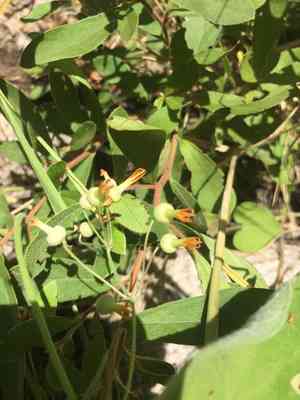
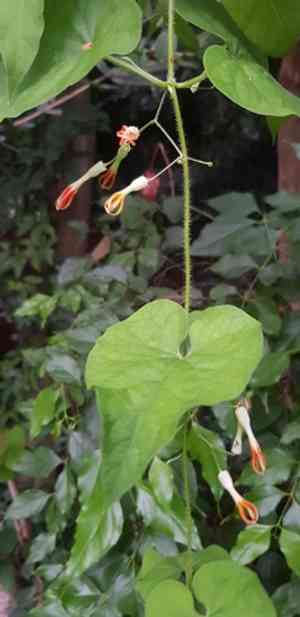
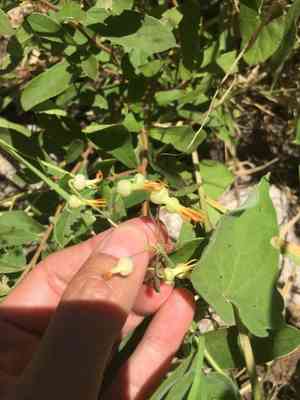
Quickly Identify Riocreuxia torulosa
1
Identify Riocreuxia torulosa by its unique striped flowers and the twining nature of the plant, which often climbs or sprawls using its tendrils.
Scientific Classification of Riocreuxia torulosa
Phylum
Vascular plants
Class
Dicotyledons
Order
Gentianales
Family
Dogbane
Genus
Riocreuxia
Species
Riocreuxia torulosa
Planting and Growing of Riocreuxia torulosa
Care Difficulty
Moderate
Watering Schedule
Every 2 days
Sunlight Requirements
Partial sun
Sunshine Duration
6-8 hours
Ideal Temperature
65-77℉
Soil Type
Potting Mix, Peat Mix
Soil pH
6-7.5
Fertilizer Type
Balanced
Pruning Season
Spring, Summer
Pruning Area
Branches, Leaves
Pruning Frequency
2 times a year
Repotting Season
Spring
Pot Type
Plastic, Ceramic
 How to Water Riocreuxia torulosa?
When watering Riocreuxia torulosa, ensure the soil is moistened evenly without becoming waterlogged. Use approximately 250 milliliters to achieve slightly moist soil conditions, as excessive water can lead to root problems.
What are the symptoms of an underwatered Riocreuxia torulosa?
›
What should I do if my Riocreuxia torulosa is not getting enough water?
›
What are the symptoms of an overwatered Riocreuxia torulosa?
›
How to save an overwatered Riocreuxia torulosa?
›
 What Are the Sunlight Requirements for Riocreuxia torulosa?
Partial sun provides the best growth conditions, allowing Riocreuxia torulosa to develop its characteristic lush foliage and vibrant flowers. This balance of light supports both photosynthesis and healthy metabolic processes.
Solution
›
Specific Actions
›
Effect of Optimal Light
›
 What Is the Ideal Temperature Range for Riocreuxia torulosa?
For optimal growth, Riocreuxia torulosa thrives in a temperature range of 65-77°F. This range ensures adequate metabolic activity without stressing the plant. Within this window, the plant is able to photosynthesize efficiently, resulting in healthy growth and vibrant foliage.
 What Soil is Best for Riocreuxia torulosa?
Riocreuxia torulosa thrives in soils that provide excellent drainage. This requirement ensures that water does not stagnate and roots do not rot. Well-drained soil allows for proper air circulation essential for plant health. A loamy soil rich in organic matter supports the growth of Riocreuxia torulosa. The presence of nutrients like nitrogen and phosphorus fuels the plant's development and flowering capabilities. While good drainage is crucial, the soil should still retain enough moisture to support the plant without causing waterlogging. Achieving this balance is vital for healthy root growth and overall plant vitality.
 How to Fertilize Riocreuxia torulosa?
For Riocreuxia torulosa, the fertilizer amount should be moderate to ensure balanced growth. Typically, use half of the recommended dose mentioned on the liquid fertilizer package every two weeks. For slow-release fertilizers, apply approximately one tablespoon per plant, ensuring it is evenly distributed around the root zone.
 How to Prune Riocreuxia torulosa?
Begin pruning Riocreuxia torulosa by identifying branches that appear dead or unhealthy. Use sterilized, sharp pruning shears to make clean cuts close to the main stem. Trim overgrown branches to shape the plant harmoniously, ensuring an open structure that allows light and air penetration. To promote blooming, be sure to prune after the main flowering period. Remove wilted flowers and excess foliage to direct the plant's energy towards the growth of new buds. This will enhance the plant's floral display in the subsequent season.
More About Pruning Techniques→
 How to Propagate Riocreuxia torulosa plant?
1
Start by soaking the seeds in water for 24 hours. This helps to soften the seed coat and enhance germination. Ensure that the seeds are fresh and have not been stored for extended periods.
2
Fill seedling trays with a suitable potting mix. Sow the seeds on the surface of the mix and lightly cover them with a thin layer of soil. Water gently to keep the soil moist but not waterlogged.
3
Place the trays in a location with indirect sunlight and a warm temperature, ideally between 70-75°F (21-24°C). Use a plastic cover or a humidity dome to maintain moisture and create a greenhouse effect.
 How to Repot Riocreuxia torulosa plant?
1
The ideal time to repot Riocreuxia torulosa is when you notice its roots are encircling the pot, or if growth becomes stunted. Since this plant is a slow grower, you may find that repotting is only needed every 2-3 years. Spring and summer are the best seasons for repotting as the plant is actively growing and can quickly adapt to fresh soil.
2
Select a pot that's slightly larger, about one to two inches bigger than the current one. Ensure it has good drainage holes to prevent waterlogging. A pot that's too large can hold excessive moisture, which could lead to root rot. The choice of a slightly larger pot will promote healthy root expansion and optimal growth.
3
Using a well-draining cactus mix is essential for Riocreuxia torulosa. This plant prefers soil that dries out quickly, replicating its natural environment. A good mix often includes materials like sand, perlite, or pumice, which prevent water retention and allow air to circulate freely around the roots, aiding their health and growth.
Learn More About Riocreuxia torulosa Diseases
Anthracnose
Bacterial Leaf Spot
Bacterial Soft Rot
Bacterial Wilt
Black Spot
Chemical Injury
Crown Gall
Cyst Nematode
Damping-off
Downy Mildew
Drought Stress
Fusarium Wilt
Gray Mold
Leaf Curl
Leaf Spot
Mosaic
Nutrient Deficiency
Nutrient Toxicity
Powdery Mildew
Root Rot
Root-knot Nematode
Rusts
Sooty Mold
Spider Mites
Temperature Stress
Thrips Damage
White Mold



