How to Prune Spreading gooseberry?
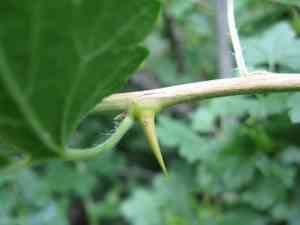
The spreading gooseberry plant is characterized by its gracefully arching branches and spiny stems. Perform pruning in the early spring season, prior to the emergence of new shoots. Eliminate any lifeless or ailing wood to enhance air movement and light exposure, thereby increasing fruit yield and diminishing the likelihood of disease. Reducing the density of older branches stimulates more robust development. Trim any branches that intersect to preserve the plant's form and avert harm. Consistent trimming improves the spreading gooseberry's output and general well-being, leading to a more controllable and visually appealing specimen.
What Are the Benefits of Pruning Spreading Gooseberry?
What Are the Benefits of Pruning Spreading Gooseberry?
Trimming spreading gooseberry promotes strong development, maintains desired form, boosts fruit yield, prevents illness by enhancing air movement, and encourages robust, healthy blooms. Regular trimming is crucial for managing plant size and ensuring long-term vitality.
What Is the Best Time for Pruning Spreading Gooseberry?
What Is the Best Time for Pruning Spreading Gooseberry?
Trimming spreading gooseberry in early spring, just before new growth starts, helps improve the plant's structure and overall well-being. At this point, spreading gooseberry is emerging from dormancy, making it easier to discern the plant's shape and structure, and to remove any dead or damaged wood without significantly disrupting growth. Pruning at this time also prevents cutting off new buds that will develop into flowers and fruit later in the season. Early spring pruning encourages vigorous growth and abundant fruit production during the growing season, ensuring the plant remains vibrant and productive.
What Tools Do I Need to Prune Spreading Gooseberry?
Hand Pruners
Essential for cutting stems up to 1/2 inch thick. Use bypass pruners for cleaner cuts, reducing the risk of disease.
Loppers
Needed for thicker branches that are 1/2 to 1 1/2 inches in diameter. Provide more leverage and precision.
Pruning Saw
Ideal for larger branches over 1 1/2 inches thick, often found in older or overgrown bushes. Ensures smooth cuts without damaging the plant.
Gloves
Standard protection against thorny stems and to safeguard hands during pruning activities.
Disinfectant Spray
To clean tools between cuts, preventing the spread of pathogens and maintaining plant health.
How to Prune Spreading Gooseberry
Remove diseased leaves
Inspect spreading gooseberry for any leaves that show signs of disease such as discoloration or spots. Use sterilized pruning shears to remove these leaves carefully to prevent the spread of disease.
Remove withered leaves
Identify and trim off any withered or dried leaves from spreading gooseberry. This removes unnecessary plant stress and promotes healthier growth.
Cut dead branches
Locate and prune any branches that appear dead, which will be brittle and dry to the touch. Cut these branches back to healthy wood or to the base of the plant.
Remove diseased branches
Examine spreading gooseberry for diseased branches, which may display signs like cankers, oozing, or unusual growths. Prune these branches completely, sterilizing tools between cuts to avoid contaminating healthy parts of the plant.
Clean tools
After completing the pruning, thoroughly clean and sterilize your pruning tools to prevent the potential spread of disease to other plants.
Common Pruning Mistakes with Spreading Gooseberry
Over-pruning
Removing too much of spreading gooseberry at once can stress the plant and reduce its vigor. This can lead to diminished growth and fewer blooms.
Improper Technique
Using dull or dirty pruning tools can cause ragged cuts and spread disease. Incorrect cutting angles may also damage the plant.
Ignoring Damaged Wood
Failing to remove dead, diseased, or damaged wood can hinder the plantâs health and growth.
Poor Air Circulation
Not pruning to allow for adequate air circulation through the plant can increase the risk of fungal infections.
Topping
Cutting the tops off can damage the natural shape and reduce the plantâs overall effectiveness in producing fruit.
Common Pruning Tips for Spreading Gooseberry
Use Sharp Tools
Always use sharp, clean pruning shears to make precise cuts. This helps minimize damage and reduces the risk of disease transmission.
Prune for Shape
Aim to maintain the natural shape of spreading gooseberry while encouraging open space within the plant for improved air flow. This supports healthy growth and reduces fungal issues.
Focus on Health
Regularly remove dead, diseased, or damaged wood to keep the plant healthy. This prevents the spread of disease and encourages robust growth.
Cut Above Buds
When pruning, make clean cuts just above outward-facing buds. This encourages new growth in the desired direction and helps maintain the plantâs shape.
Gradual Pruning
For significant size reduction, prune gradually over a few years rather than all at once to avoid shocking the plant.



